

The Story
Why it exists.
The beginning
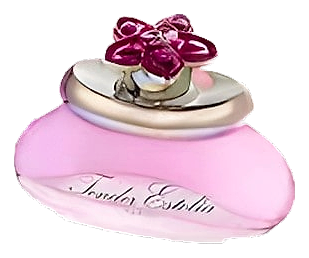
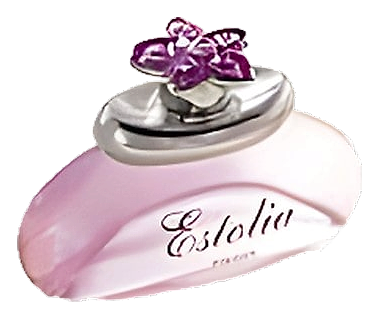
Estolia arrived in 2006 from Jacques Evard. The available history names no specific muse, place, or literary source for it, so the composition itself offers the clearest portrait. Fruity and spicy notes meet pink pepper and yuzu at the first impression, then wisteria, iris, and rose soften the opening without muting its character. Cedar, sandalwood, and musk provide a measured foundation. Estolia reads as a floral-fruity chapter built around contrast: zesty brightness, a measured pinch of heat, and a dry floral-woody finish that keeps the composition from becoming overly sweet.
What makes Estolia worth a closer look is the conversation between materials that usually keep their distance. Yuzu brings volatile, citrus-fresh lift, while pink pepper introduces a rosy edge of heat. Wisteria and rose supply the floral register, but iris keeps the heart from becoming simply pretty. Its cool iris texture gives the composition a refined pause. Cedar and sandalwood then anchor the flowers in a woody frame, while musk softens the edges without turning the whole thing heavy.
The evolution
The first impression is quick and articulate: yuzu lifts the opening, pink pepper flashes pink and spicy, and the floral notes keep it from reading as plain citrus. As that brightness recedes, wisteria brings a trailing, almost floating floral character. Iris becomes the centerpiece, placing a cool powdery veil over the fruit and pepper. Rose adds warmth without losing that polished, restrained edge. During the drydown, cedar and sandalwood gather the composition into something drier and more tactile. Musk is the quiet operator here, smoothing the transition and leaving a soft skin-like trace. The final impression is a neat trail of floral warmth over smooth wood, with a restrained presence and a clear sense of continuity from the opening notes.
Cultural impact
Estolia is remembered for its floral-fruity character, where bright yuzu and pink pepper meet wisteria, iris, and rose before settling into cedar, sandalwood, and musk. Its appeal lies in the way it balances contrasting materials without letting one note dominate the whole composition. The result is a fragrance that invites repeated attention, revealing different relationships between citrus brightness, floral softness, peppery heat, and smooth woods as it wears on the skin.
The House
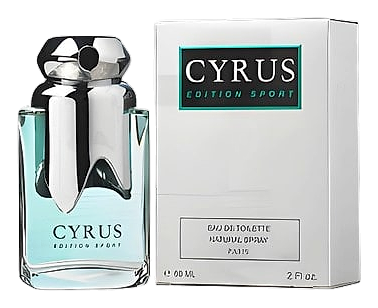
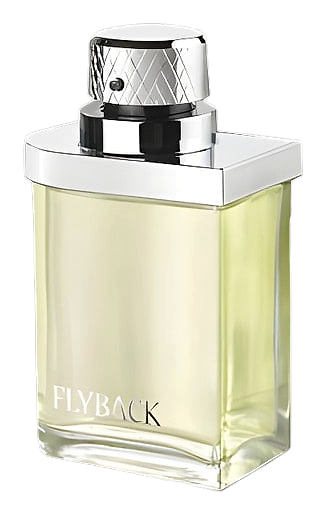
Jacques EvardJacques Evard positions itself as a French niche house that crafts modern, narrative‑driven scents for collectors who value depth over trend. The brand releases limited batches that often reference personal stories, travel memories, or literary moments. Its catalogue includes Unforgiven Night, the 2006 releases Flyback and Estolia, and sport‑inspired lines such as Cyrus Sport. Jacques Evard’s approach blends classic French perfumery techniques with contemporary composition, offering a quiet alternative to mainstream luxury houses.
The Creator
Jacques EvardJacques Evard favors a modular approach. He builds a base of transparent woods—cedar, sandalwood—then layers bright top notes such as bergamot, pink pepper, or yuzu.