The Story
Why it exists.
The beginning
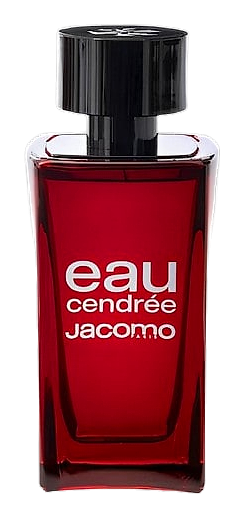
Eau Cendrée arrived in 1970 as part of Jacomo's early output, a French house whose reputation grew around aromatic, weighty masculine compositions with quiet authority. The name translates to Ash Water, a deliberately smudged image, less a literal description than a mood. A fragrance composed the way fine ash looks: grey, soft-edged, but holding the ghost of something that burned hot. From the first spray, there's a sense that the fragrance wants to settle rather than announce itself. It's not interested in shouting. It builds low, pulls close to skin, and lets its materials do the work without ornamentation. There is a woody gravity to the opening, a sense of structure rather than sparkle, the kind of composition that assumes the wearer is in no rush.
What makes Eau Cendrée unusual is the structural risk in its opening. Sandalwood sits in the top accord alongside cypress, hay, mint, and bergamot, a placement that pulls the wood forward before any traditional spicy heart arrives. That placement puts the heaviest material where you'd expect something brighter, and the first hour reads smoky and grounded because of it. The cypress is sharp and slightly resinous, the mint cool and dry, and the bergamot cuts clean lines through the green without tipping into citrus sweetness.
The evolution
The first 30 minutes are the coldest moment. Cypress and mint push forward hard, almost bracing, with the bergamot cutting clean lines through the green. The sandalwood is there underneath, warming the floorboards, but it doesn't announce itself yet. Hay adds a sweet, dry rustle, like late summer grass going to seed. Then the shift happens around the 45-minute mark, and the oakmoss and cistus arrive together, thick and resinous, pulling pimento and juniper in behind them. The spice isn't loud. It's the kind that builds low, more bark than bite, a heat that creeps rather than stings. By hour two, the whole thing has settled into a warm, almost smoky territory without ever naming any single material as the source. The algae and green pepper that surface late are the surprise. They don't smell like the ocean.
Cultural impact
Eau Cendrée arrived in 1970 as part of a wave of masculine compositions that leaned into mossy, resinous weight rather than the brighter barbershop formulas of the era. It's the kind of scent that lives in memory rather than on shelves, the bottle a younger relative might have pulled from a cabinet, or the one someone older wore on holidays. The green-spicy-resinous register it occupies is specific and hard to find in modern releases, which is part of what keeps a certain kind of enthusiast circling back to it. It rewards patience in a way current formulations rarely attempt.








