
The Story
Why it exists.
The beginning
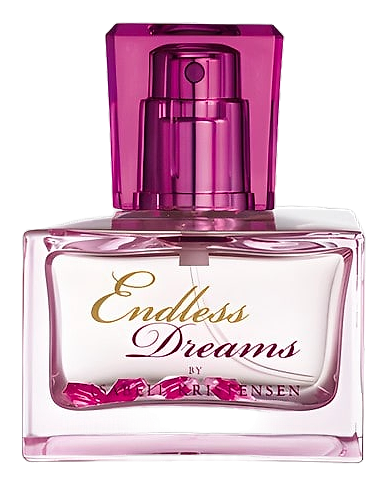
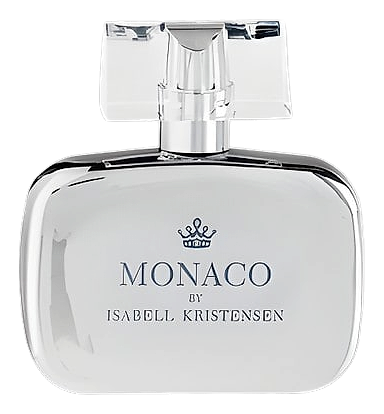
Monaco arrived in 2012 from a Danish designer whose primary language has always been couture. Isabell Kristensen built her name on eveningwear, on architectural silhouettes and disciplined construction, before she ever turned to scent. The perfume archive is small by design. Endless Dreams, Dreams, then Monaco, three titles rather than thirty, each one carrying the same formal, composed register as the gowns. The name itself is the clearest signal of intent. Monaco, the principality and its Riviera. Glamour without swagger, wealth without announcement, the polished geometry of a coastline that has spent a century refining what elegance looks like in practice. The fragrance takes that posture and translates it into a bottle.
What's interesting here is the structural choice. Iris and sandalwood sit at the center, Turkish rose and cedar bracing them, and the whole thing leans on powder as a structural element rather than a decorative accent. That placement of iris, rooted rather than floating, is what gives the composition its composure. The powder note at the top is a quiet announcement that this will not behave like a bright floral. The base reaches for ambergris, musk, benzoin and incense, materials with gravity, and the interplay between that soft opening and the deeper architecture below is where the wearability lives. A designer who thinks in silhouettes built a perfume that behaves like one.
The evolution
The first ten minutes read almost like makeup on a vanity table. Powdery, faintly sweet, a flick of mandarin keeping things from going stale. There is nothing sharp, nothing green, nothing that grabs. It settles onto skin the way a cardigan settles onto shoulders. After twenty minutes the iris arrives properly, and the whole composition changes register. Turkish rose shows up without shouting, cedar brings the cool, sandalwood does the quiet work in the back. The powder recedes but never really leaves. What replaced the opening is something drier, more architectural, closer to the surface of a polished surface or a starched cuff. Then the base takes over, and stays. Benzoin and ambergris together produce something almost resinous, warmed by musk that reads clean rather than heavy. Incense is the final thread, soft enough to feel like a memory rather than a church. Eight hours later, the next morning on a coat collar, it is still there, reduced to the last trace of benzoin and a wisp of powder.
Cultural impact
Monaco wears like a European fashion house scent should, composed, unhurried, and not for everyone. It has a quiet following among wearers who prefer their florals structured rather than blooming, and a niche reputation as the kind of bottle that gets recognized by people who already know. Compared to more commercial iris launches of the same period, Monaco reads as a private commission rather than a public statement, which is exactly its appeal.