
The Story
Why it exists.
The beginning
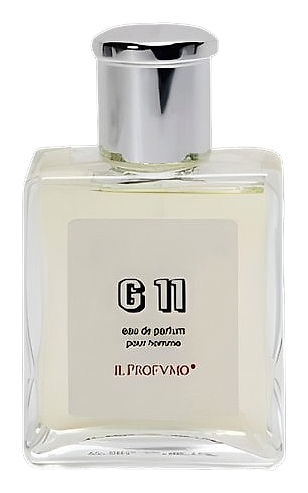
G11 was built around palisander rosewood, a material with a warm, almost sweet timber quality that sits between cedar and sandalwood. The green notes and grass that open the composition ground it in something literal: the smell of the outdoors, translated rather than imagined. Where earlier works from this house leaned into singular olfactory statements, G11 aimed at something broader, stripped of excess. The name itself follows a serial, precise format, suggesting a methodical approach to formulation. This woody-aromatic composition draws on traditional masculine perfumery conventions while maintaining the brand's characteristic restraint and clarity of vision, letting each material assert itself without unnecessary layering.
What makes G11's structure interesting is the hand-off between phases. The top doesn't so much evolve as yield, citrus and grass arrive fresh and disappear without ceremony, leaving palisander rosewood to establish the tone. Lavender and neroli in the heart add a faint floral softness that's unusual in woody-aromatic masculine compositions. The base then settles into a mossy-vetiver foundation that gives the whole thing a dry, slightly earthy quality. Patchouli appears late, lending its characteristic earthiness without the heavy sweetness many associate with the note. Cypress and sandalwood round out the base, creating a woody warmth that lingers close.
The evolution
The opening brings fresh grass and citrus, green notes that smell literal rather than interpreted. The citrus recedes and something drier takes over, the palisander rosewood asserting itself with a warm, almost sweet timber quality that signals the composition's intent. The lavender and neroli arrive mid-development, adding a faint floral dimension that's unusual for the woody-aromatic category. The base notes establish themselves with vetiver's dry, earthy character dominating, cypress adding a faint resiny quality and sandalwood providing warmth. Patchouli lingers in the background, lending earthiness without sweetness. The drydown on fabric smells faintly of wood and moss, present but quiet.
Cultural impact
G11 represented a distinct direction for the house, departing from the maximalist trends of the era. Rather than heavy, sillage-driven compositions, the fragrance offered a different approach: a composition that invites discovery rather than announcing itself loudly. Silvana Casoli's approach with G11 emphasized a materials-first philosophy where each ingredient deserved space to communicate on its own terms. This approach resonated with those seeking something beyond conventional masculine fragrances, offering a thoughtful alternative to the dominant aesthetic of the time.