The Story
Why it exists.
The beginning
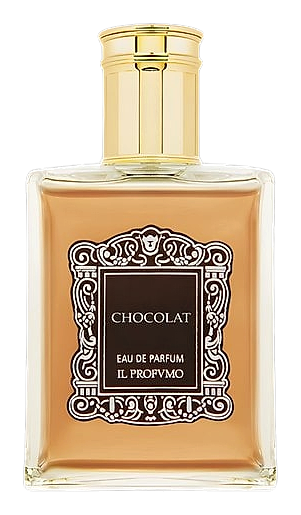
Chocolat arrived in 1997, the debut from Silvana Casoli at her newly founded house Il Profvmo. Casoli had trained in cosmetology and aromatherapy, and she approached the brief with scientific precision: she wanted to explore cocoa as a material, not a motif. The 1990s were full of chocolate fragrances done as sweet confections, but Casoli had something more considered in mind. She structured the composition around restraint, letting cocoa sit inside plum and rose rather than announcing itself from the start. Vanilla came last, anchoring everything to skin.
What makes Chocolat interesting is the way it refuses the obvious. The heart is built around cocoa, yes, but Casoli doesn't let it go gourmand. Plum and rose lift the sweetness into something almost tart. Jasmine adds a floral counterweight that prevents the whole thing from reading as food. The structure moves from a spiced, slightly green opening through a fruity-floral heart and arrives at a vanilla base that is warm without being heavy. It's the composition of someone who understood that restraint is harder than excess.
The evolution
The opening announces itself quickly: mandarin and nutmeg arrive together, the citrus bright and the spice warm on its heels. Galbanum adds a faint green undertone that keeps the start from reading as purely sweet. About thirty minutes in, the citrus fades and the heart takes over. Cacao and plum arrive together, and the jasmine-rose pairing gives the chocolate a floral lift that prevents it from going too literal. This is where Casoli's hand shows most clearly. The drydown belongs to vanilla, and here the cocoa finds its darkest register. The two work together into something that reads almost like bitter cocoa on skin, warm and close, lasting well into the evening.
Cultural impact
Chocolat arrived in 1997 as an alternative to the heavily sweetened chocolate fragrances that defined the category at the time. Casoli was not interested in confectionery. She wanted to treat cocoa as a serious material, and the structure of Chocolat reflects that. It found an audience among collectors who wanted something with actual craft behind it, and it has remained in the niche conversation as a reference point for what cocoa can do when it is not trying too hard.