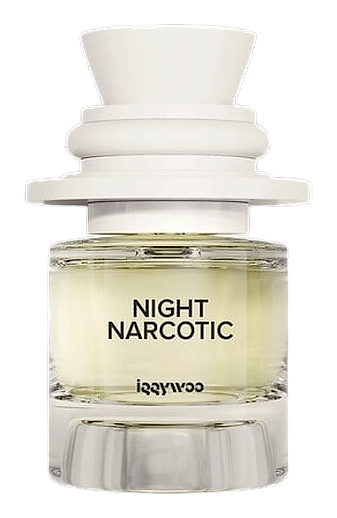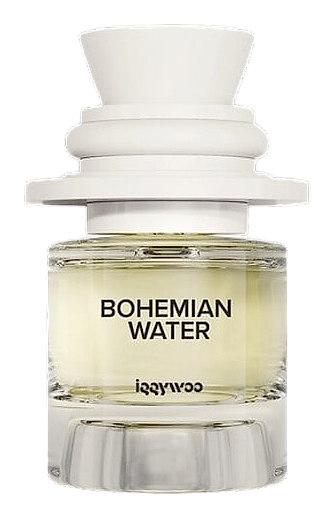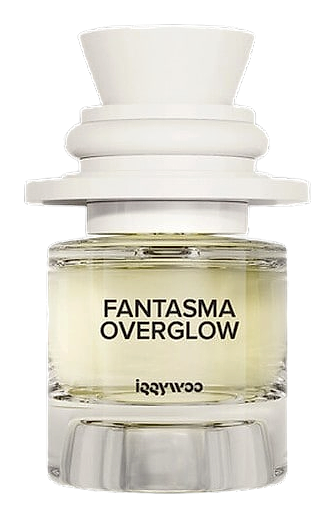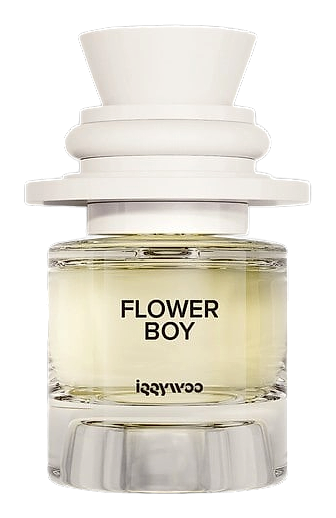

The Story
Why it exists.
The beginning
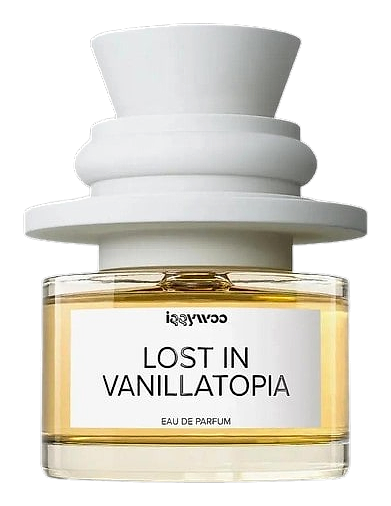
Lost in Vanillatopia arrived in 2026 from IGGYWOO, with Richard Saint-Ford credited as the brand owner and perfume maker, the nose behind the fragrance. Where most vanilla fragrances lean safe, this one leans loud. The official word on the launch describes vanilla as reimagined, and the structure backs the claim. Grapefruit opens sharp, Damask rose adds a floral edge, then honeysuckle melts into amber, tonka bean, and a vanilla base that carries warmth without retreating into pure sweetness. The opening has a brisk, almost bitter snap from the grapefruit, a peel-and-pith brightness that prickles the nostrils before settling. Damask rose threads through that citrus with a dewy, slightly jammy quality, softening the edges without dulling them.
The grapefruit-to-vanilla arc gives Lost in Vanillatopia its distinct rhythm. The citrus opening clears the palate, the honeysuckle bridges into florality, and the vanilla arrives as resolution rather than announcement. Tonka bean brings a soft almond warmth that keeps the drydown from reading flat, while the skin accord roots everything in something personal rather than abstract. The musky, creamy, and powdery accords layered underneath create a texture that feels lived-in from the first hour.
The evolution
The first thirty minutes belong to grapefruit and Damask rose, a sharp floral-citrus pairing that catches you off guard. This is not how most vanilla fragrances announce themselves. The grapefruit fades faster than you'd expect, retreating within the first hour as honeysuckle takes the wheel. That transition matters. The heart phase reads golden, almost sunlit, with a sweetness that's floral before it turns edible. By hour two, the amber and tonka bean have settled in alongside vanilla, creating a creamy warmth that clings close to skin. The musky base and skin accord anchor everything in something that feels less like perfume and more like a second layer of warmth. Through hours three and four, the composition deepens rather than fades. The vanilla matures, the tonka sweetens, and the whole thing reads richer than it did at the start. By hour six, what's left is a soft amber-vanilla whisper, close to the skin but still distinctly present. On fabric the next morning, you'll catch a faint trace of tonka and warm musk. It's the kind of fragrance that doesn't vanish.
Cultural impact
Lost in Vanillatopia draws stocked comparisons to established vanilla compositions like Maison Louis Marie's Vanille Infinie, placing it within a broader conversation about vanillas that aim higher than the standard offering. The name itself, Vanillatopia, signals a deliberate play on the familiar note, framing it as a destination rather than a default. IGGYWOO's vanilla is reimagined through the lens of an indie house unafraid to lead with loud structures, opening sharp with grapefruit before resolving into amber, tonka bean, and vanilla warmth.
The House
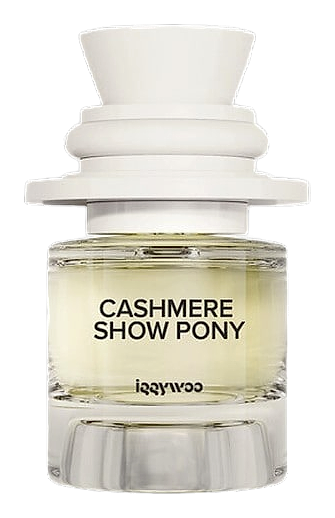
IggywooIGGYWOO is an independent fragrance house founded by self-taught perfumer Richard Saint-Ford. The brand operates outside traditional fragrance conventions, building scents around emotional resonance rather than established formulas. Each release carries an unapologetic boldness, from the vanilla-drenched dreamscape of Lost in Vanillatopia to the coconut-kissed warmth of Cashmere Show Pony. Saint-Ford describes his creative process as rooted in feeling rather than technical calculation, drawing inspiration from childhood memories in his grandmother's garden. The brand has cultivated a following among fragrance enthusiasts who seek something beyond mainstream perfumery, with releases spanning gourmand warmth, psychedelic florals, and atmospheric wood compositions. IGGYWOO fragrances are available primarily through independent retailers and direct-to-consumer channels.
The Creator
Richard Saint-FordSaint-Ford builds fragrances with the precision of an architect, each composition serving a specific narrative purpose. His style draws from botanical imagery and sensory memory, often incorporating green, floral, and earthy materials that evoke the natural world rather than t…