
The Story
Why it exists.
The beginning
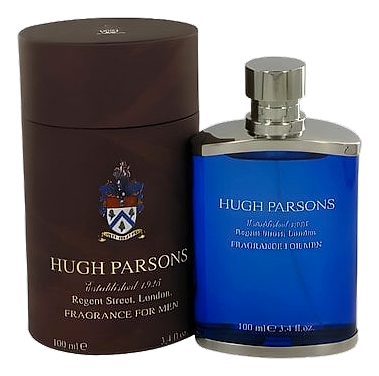
In 1998, Hugh Parsons released its first fragrance. Named simply, and boldly, Traditional, it was a statement. Not a question of what the brand could do, but what it believed: that a fragrance could be both timeless and alive. Maurizio Cerizza composed the blend, drawing on the house's London roots. The name wasn't a limitation. It was a declaration of intent. This is who we are. This is what we make.
The structure here mirrors the tailoring that birthed the brand. Sharp opening, mandarin, lemon, green. A considered middle, juniper berry, cardamom, angelica seed doing quiet work. Then a base that settles rather than shouts: cedar, sandalwood, ambergris adding maritime depth to the wood. It's not trying to surprise you. It's trying to be right. The citrus-green top gives way to aromatic warmth, which gives way to something close, warm, and lasting. Three acts. No missteps. No excess. That's the argument this fragrance makes, and it makes it well.
The evolution
The opening hits bright and immediate. Mandarin and Sicilian lemon cut through, green notes adding crispness without sharpness. Currant buds contribute a subtle fruity undertone that prevents the citrus from becoming harsh. It reads like morning light on wet stone. Within an hour, the hand-off happens. Juniper berry takes the lead, aromatic, slightly gin-like, unmistakably British. Black pepper adds warmth without heat. Angelica seed introduces an herbal complexity that feels medicinal in the best way. Traditional medicine. An apothecary before it became a cliché. The base arrives gradually and stays. Cedar dominates, followed by Mysore sandalwood, creamy and woody. Ambergris adds a maritime, animalic depth that prevents the woods from becoming predictable. This is where the fragrance earns its name. On skin, it projects moderately but lasts long, 6 to 8 hours of something that settles into warmth rather than announcing itself. The next day, faint cedar on fabric. That's the mark it leaves.
Cultural impact
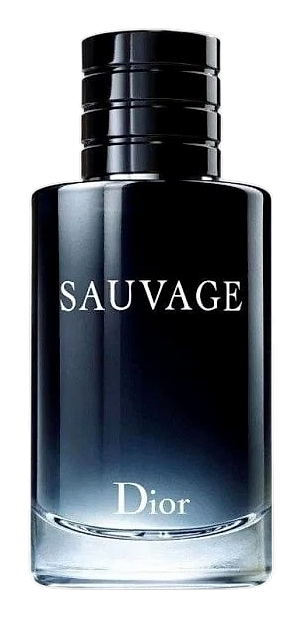
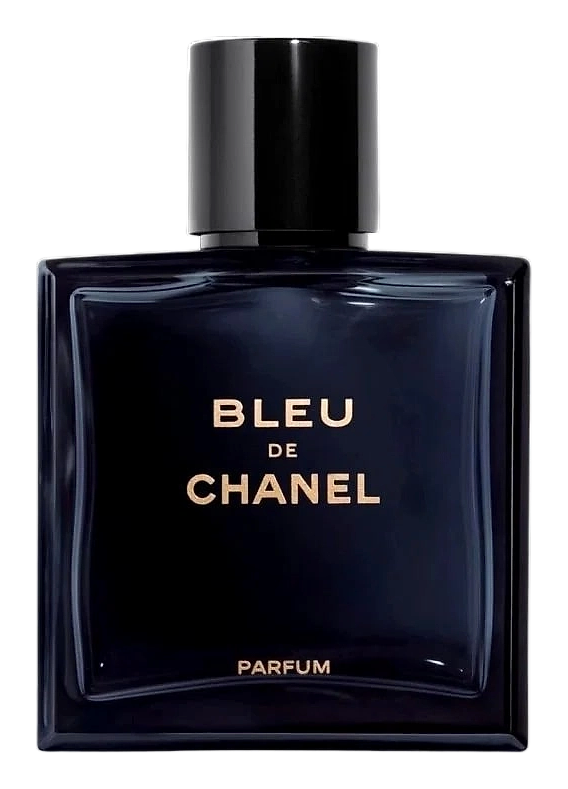
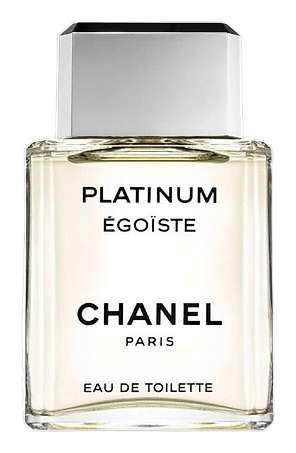
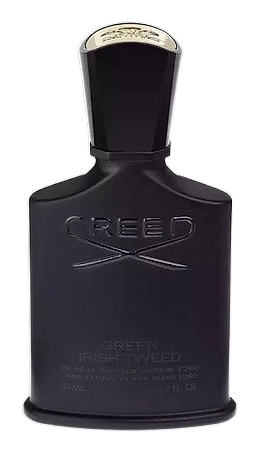
Traditional arrived in 1998, a period when designer fragrances dominated but the niche category was beginning to gain ground. Rather than chasing trends, Hugh Parsons staked a claim on heritage and restraint, a fresh-spicy-woody composition that refused to shout. The fragrance occupies a particular corner of the market: for those who want the quality of artisan perfumery without the confrontation of it. Comparisons to Chanel Bleu de Chanel and Creed Silver Mountain Water reflect its positioning as an understated alternative to louder contemporaries. It's the fragrance you reach for when you know exactly who you are.