The Story
Why it exists.
The beginning
The name came first. Danger Eau, a contradiction that the perfumer Dalia turned into a brief: what does danger smell like when it's wet? Not a storm, not a warning. Something submerged that surfaces. The 2024 launch from House of Fanatics' Barcelona atelier aligned with their post-human perfumery stance, fragrance as confrontation, not comfort. The brief for Danger Eau was deceptively simple: take water and make it mean something.
The key tension lives in the drydown. Most aquatics surrender to skin; Danger Eau builds a second layer instead. The tangerine arrives sharp and citrus-forward, exactly where you'd expect, but the Kenyan freesia and orris root keep it from being just another fresh fragrance. They add powdery floral weight without sweetness, a strange choice that works. Then the Sumatran benzoin and tonka arrive together, warm and slightly vanillic, and suddenly this is something you remember three hours later. The ozonic notes don't disappear. They deepen into something mineral, almost animalic, before the ambergris locks everything into salt.
The evolution
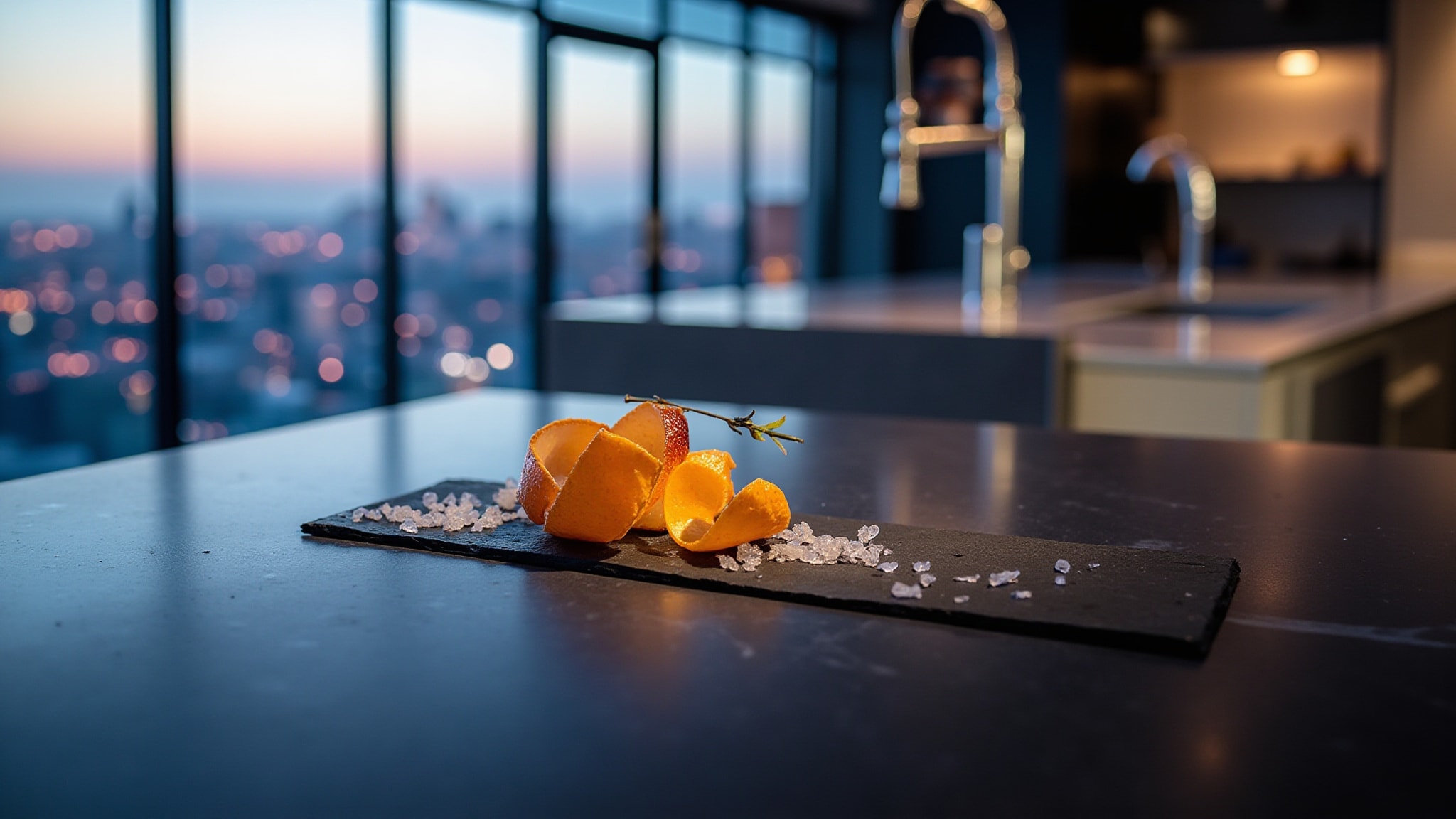
First hour: the sicilian mandarin opens bright and cold, like biting into citrus peel over ice. The marine ozone sits just beneath, not overwhelming, present without dominating. Juniper berry adds a faint pine quality, barely there, just enough to keep the citrus from feeling like breakfast. Second hour: the iris surfaces. It doesn't announce itself. One moment you're smelling tangerine and salt, the next there's this soft, powdery floral underneath that you can't quite place. The sandalwood warms everything without making it heavy. The freesia from Kenya adds a green, slightly humid note, dew on a garden wall, not tropical. Third through sixth hour: this is where danger earns its name. The tonka and benzoin dry down into something creamy and warm, but the marine accord doesn't leave, it stays mineral and ozonic underneath, like wet stone in sunlight. The ambergris gives it that salty skin quality, the kind that requires proximity to notice. After eight hours: a skin scent. Faint, warm, close. Nothing announced. Everything felt.
Cultural impact
Danger Eau emerged in 2024 during a significant shift in indie perfumery, as niche houses began challenging mainstream fragrance conventions more aggressively. House of Fanatics positioned itself at the forefront of this movement, using Barcelona's creative energy as a catalyst for perfumes that refuse to play it safe. The fragrance represents a post-pandemic cultural moment where consumers seek bold self-expression over safe, crowd-pleasing scents. Danger Eau specifically tapped into the growing appetite for aquatic fragrances that incorporate powdery, warm drydowns rather than remaining strictly fresh. The house's post-human philosophy resonated with younger fragrance enthusiasts who view scent as an extension of identity rather than a simple grooming choice.