Kenyan Freesia
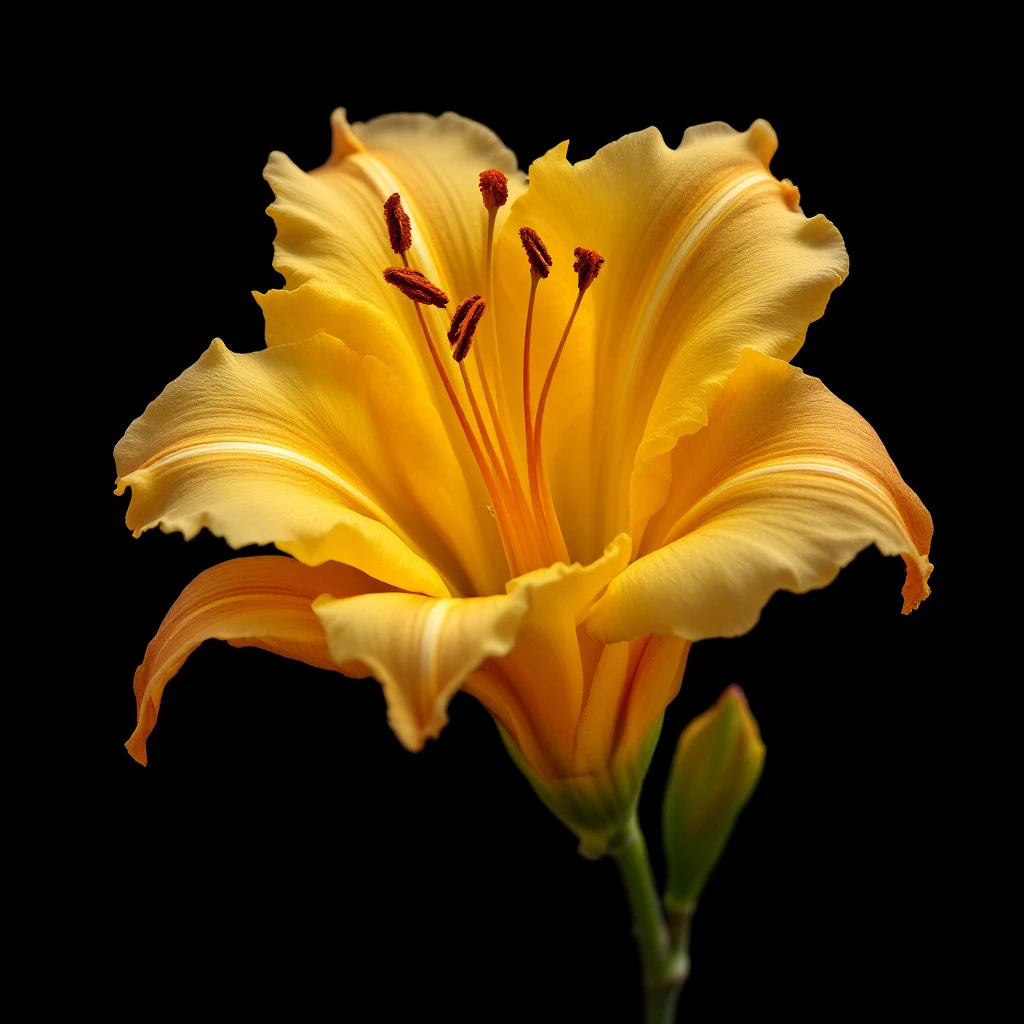
Kenyan Freesia brings a luminous, candy-sweet floral note to compositions, offering a translucent quality that lifts and brightens any fragrance it enters. This East African variety carries a distinctive green-fresh character prized in modern perfumery.
Character
How it smells
Translucent floral sweetness with a dewy green edge.
Freesia petals contain such trace amounts of aromatic oil that natural extraction remains impractical; virtually all freesia in perfumery is lab-created.





Origin
Kenya
Freesia belongs to the Iridaceae family and traces its botanical roots to the Cape region of South Africa, where it grows wild across rocky slopes and grassy areas. The plant's natural range extends northward along Africa's eastern coast into Kenya, where cultivation conditions proved favorable for producing high-quality flowering stems.
German botanist and physician Friedrich Freese, who collected specimens during the mid-1800s, became the namesake when Carl Friedrich Philipp von Martius officially named the genus in his honor in 1825. The flower's journey from African wildflower to global perfumery ingredient reflects a broader story of botanical discovery and horticultural refinement.
Today, Kenya supplies significant quantities of cut freesia flowers to European markets, though the fragrance industry relies almost entirely on synthetic recreations to meet global demand. The disconnect between what grows in Kenya and what appears in perfume bottles illustrates how perfumery evolved from natural harvesting toward molecular science.
Wears it best
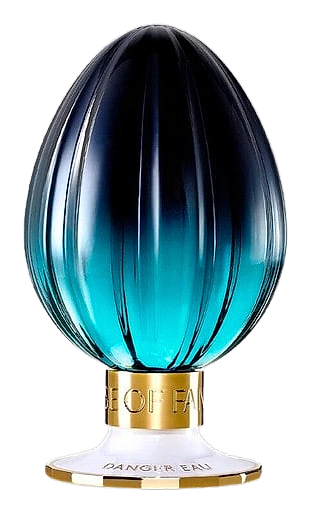
Fragrances featuring Kenyan Freesia
Brands
Brands known for Kenyan Freesia
Good to know
Questions, answered
The essentials on Kenyan Freesia in perfumery: how it smells, where it comes from, and how it behaves on skin.
Is Kenyan Freesia a natural or synthetic ingredient?
Kenyan Freesia in perfumery is synthetic. Natural freesia contains trace aromatic compounds that resist extraction, so perfumers recreate its scent profile using headspace technology and organic synthesis.
What does Kenyan Freesia smell like?
Kenyan Freesia reads as sweet, translucent, and slightly green, reminiscent of fresh-cut flowers with subtle pear and gardenia undertones. It adds brightness and lift to fragrance compositions.
Why is the ingredient called Kenyan Freesia if it's synthetic?
The designation references the sourcing region and type. Kenya cultivates commercial freesia crops for the cut flower trade, and headspace analysis of these East African blooms informs the synthetic recreation.
What fragrance families pair well with Kenyan Freesia?
Kenyan Freesia excels in floral, fruity, and light chypre compositions. It harmonizes with bergamot, peony, and white musk, adding radiant top-note volume without overwhelming finer details.
Who named the freesia flower?
German botanist Friedrich Freese (1795-1876) inspired the genus name. He collected specimens from South Africa, where the plant originates, and Carl von Martius formally named it in his honor in 1825.
Can natural freesia oil be extracted?
Natural extraction is impractical. Freesia petals yield negligible aromatic oil, and the fragile ester compounds degrade during processing. No commercial natural freesia absolute exists on the market.
What years marked key developments in freesia perfumery use?
Headspace technology emerged in the 1970s, enabling scientists to analyze fresh flower scent molecules. By the 1990s, synthetic freesia accord development was sophisticated enough for widespread use in fine fragrance.
Does Kenyan Freesia appear in men's or women's fragrances?
Kenyan Freesia appears across gender categories. Its brightness suits feminine florals, while its green freshness and versatility make it equally valuable in modern masculine and unisex compositions.




