The Story
Why it exists.
The beginning
Fire Soul arrived in 2026 from House of Atropa, composed by Elisabeth Andrék. The house draws its name from the deadly nightshade plant, and Fire Soul continues that thread with a name that sounds like a confession before you even smell it. Andrék built this one around a pairing most perfumers wouldn't dare: the clean burn of vodka and licorice on top, the cold slap of seaweed and salt at the heart, then patchouli and oud to anchor the wreckage. It's a composition that treats the ocean like a mood, not a setting. The vodka arrives with a brittle, almost frozen edge, tasting more of pure ethanol heat than any sweet cocktail. Licorice curls beneath it, that dry anise sweetness pulling the sharpness sideways so neither note flattens into the other.
The vodka note is the move that makes Fire Soul feel current rather than nostalgic. Where you might expect a bright citrus or a cooling mint to open an aquatic composition, Andrék reaches for vodka and licorice instead. The result reads sharper, colder, almost like ice melting into brine rather than a beach at sunset. That alcoholic bite lands with a grain-spirit warmth underneath, the smell of clear liquor poured from a frosted bottle, while the licorice adds a dry, almost bitter sweetness that curves around the edges and keeps the opening from collapsing into simple freshness.
The evolution
Fire Soul begins the moment you uncork the bottle: a flash of cold, almost frozen grain spirit, sharpened by anise-dark licorice that curls up and around the rim. The marine middle arrives within minutes, carrying wet seaweed and salt as though a January sea had been distilled into glass. Then the oud and patchouli rise slowly, drying the salt, sharpening the licorice, and leaving a quiet, smoky warmth that stays close to the skin for hours after the cold has gone. The composition reads as one continuous exhale from ice to ember. What makes the opening so effective is the contrast between the two notes. Vodka arrives with a clean, almost aggressive chill, the kind of cold you feel in your sinuses when you take a straight shot of clear liquor. Licorice softens that edge just enough, adding a vegetal sweetness that reads as black and rooty rather than candy-sweet.
Cultural impact
Fire Soul occupies a narrow lane in contemporary fragrance: the aquatic-woody hybrid that refuses to soften itself for mass appeal. The seaweed note and the vodka-licorice opening mark it as something built for wearers who want their fragrances to push back, to carry personality rather than simply smell clean. It fits House of Atropa's catalog of deliberately strange names and compositions, a roster that seems engineered to start arguments rather than win polls. What's striking about Fire Soul is how it refuses to belong.
The House
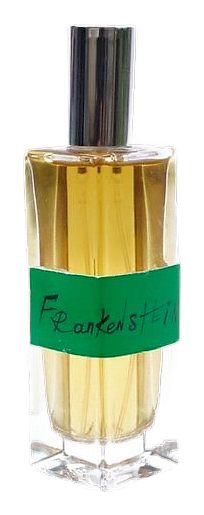
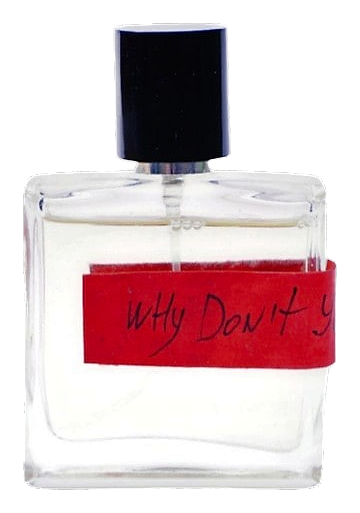
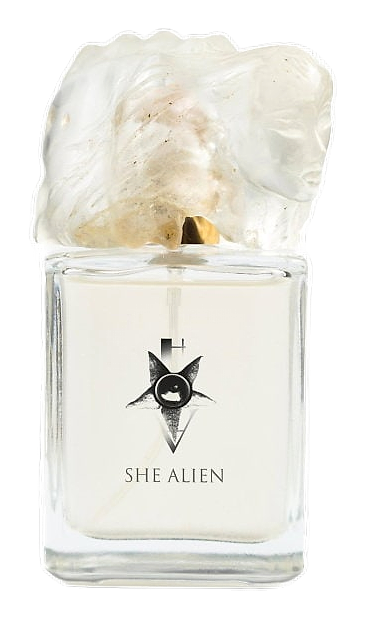
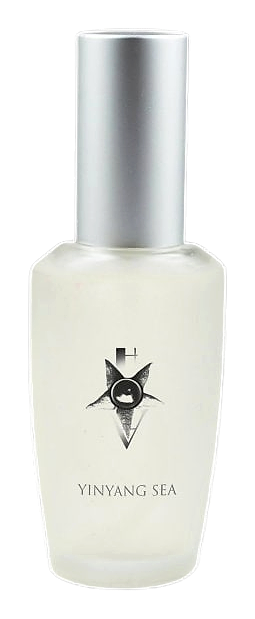
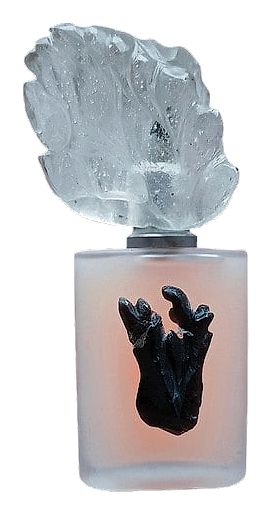
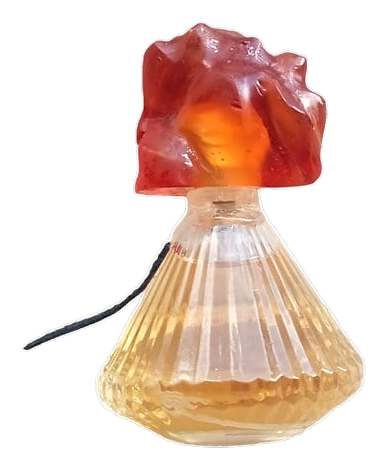
House of AtropaHouse of Atropa is an independent fragrance house founded by Elisabeth Andrék, a perfumer and glass designer of Georgian and Armenian heritage. Based in what appears to be a cross-Caucasus creative practice, the house produces perfumes and complementary jewelry pieces. The brand draws its name from the Atropa genus of plants, which includes Atropa belladonna, commonly known as deadly nightshade. House of Atropa has released over a dozen fragrances since 2021, with names that range from the literal (He Is Fish, She Is Fish) to the conversational (Why Don't You Wear a Suit, Honey I Bought a House!) to the conceptual (Tesseract, Lucid, Frankenstein). The house is associated with a nose named Lisa, and its earliest documented fragrance, Crystal Herb, appeared in 2021.
The Creator
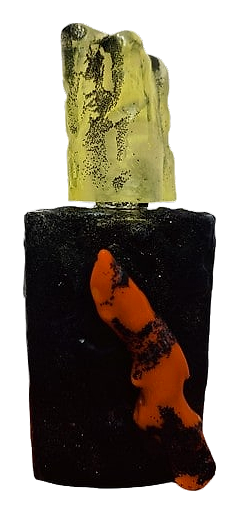
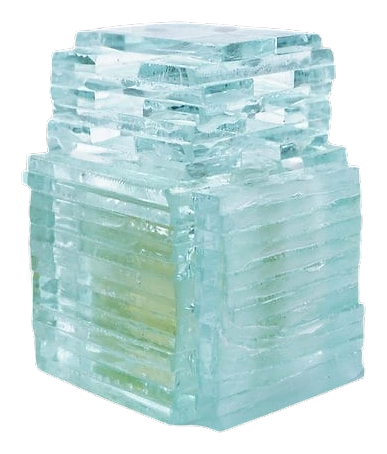
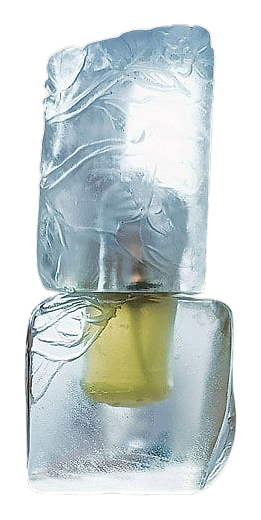
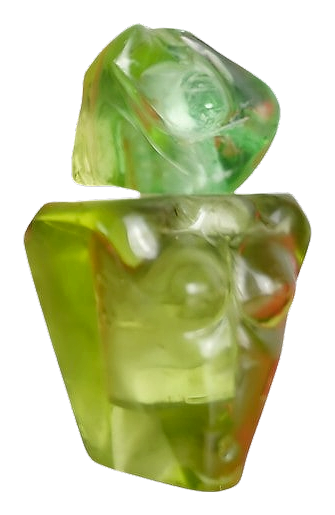
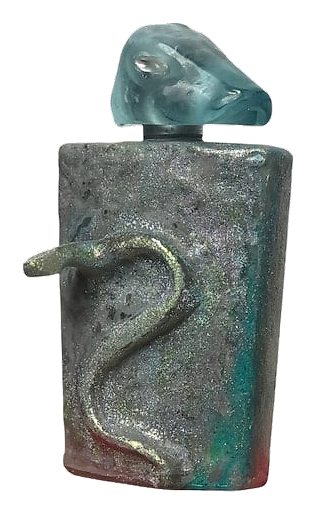
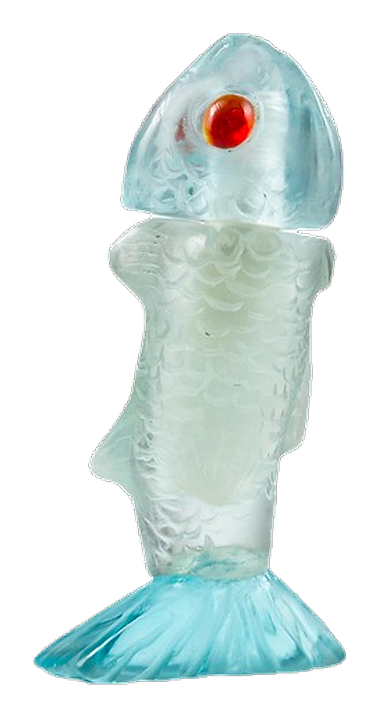
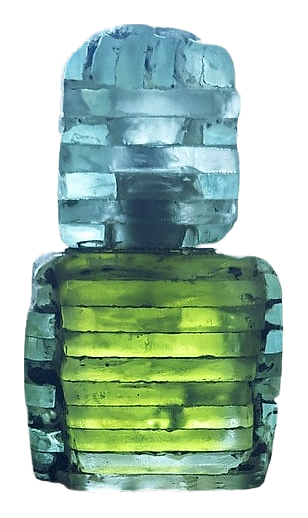
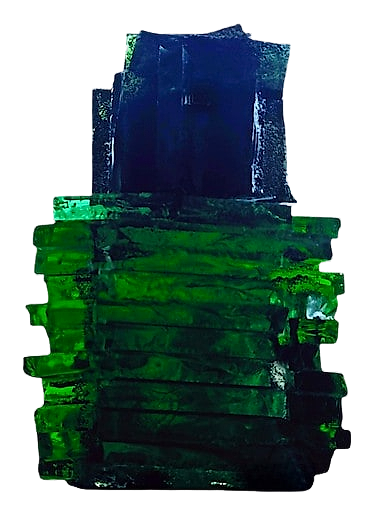
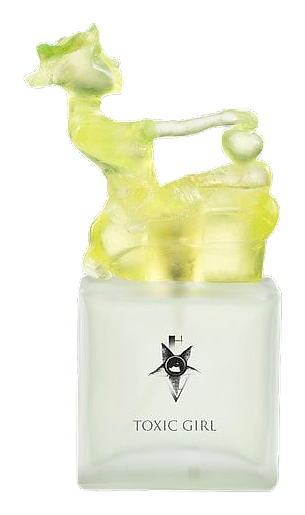
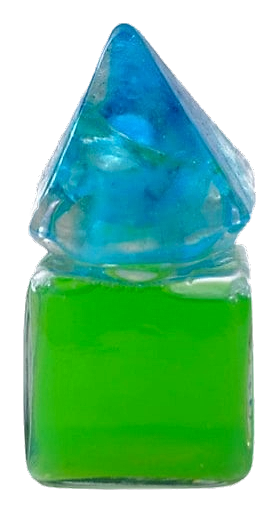
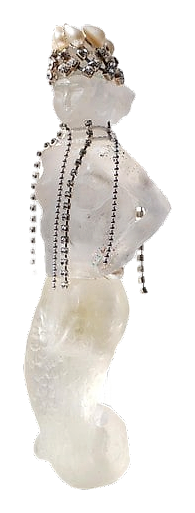
Elisabeth AndrékAndrék's style is difficult to pin down precisely because her work resists categorization. Her handmade glass bottles suggest an artisanal approach: irregular, personal, crafted rather than manufactured.