
The Story
Why it exists.
The beginning
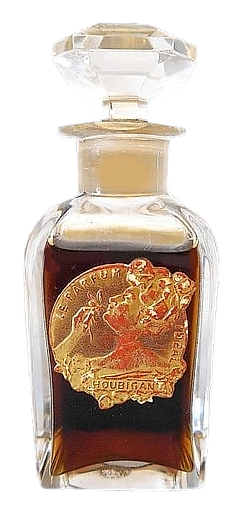
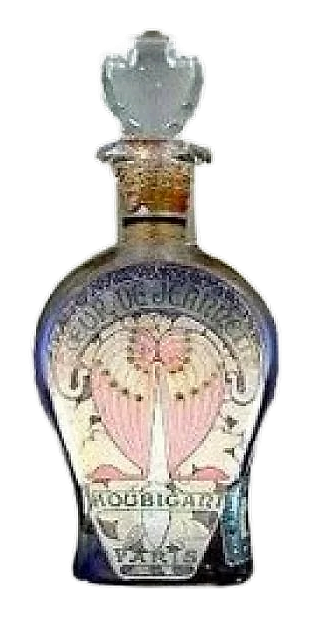
Coeur de Jeannette arrived in 1899 from the house of Houbigant, the Parisian perfumer. By then, Houbigant had long outgrown its modest beginnings. The house had established itself through years of work in French perfumery, building a reputation for the kind of compositions that defined the era. The name itself carries a particular resonance. Coeur de Jeannette translates roughly to the heart of Jeannette, a phrase that, according to some sources, ties back to Marguerite and a context of music and singing. The implication is a warmth worn on the skin, something meant to be noticed rather than concealed. There's an openness to the name that suits the fragrance itself.
What's striking about the composition is how the florals are weighted with spice. Acacia and mimosa open the door, those yellow, almost honeyed blossoms that feel more pastoral than perfumey. Then comes a heart of carnation, orange blossom, rose, honeysuckle, and tuberose, a layered white-floral bouquet that could easily turn soapy or bridal. Clove anchors the base alongside sandalwood and ambergris, and that base notes structure does the heavy lifting in keeping the whole thing grounded.
The evolution
The first fifteen minutes are acacia, mimosa, and lilac doing exactly what yellow florals do, bright, polleny, almost candied. There's a sweetness here that could feel decorative, but the lilac keeps it from tipping over. By the thirty-minute mark, the white florals have taken over. Carnation arrives with its clove-spice warmth, and the orange blossom, rose, and tuberose settle into a creamy, slightly indolic middle that feels like skin in warm weather. The honeysuckle keeps the whole thing from going too heavy. You get the impression of layers settling into place, each one finding its position beneath the others. Two hours in, the base begins to assert itself. Sandalwood and ambergris smooth everything out, and the clove deepens rather than fades, lending a quiet warmth that feels more like candlelight than perfume.
Cultural impact
Coeur de Jeannette sits in a peculiar place within the history of perfumery. Released in 1899 from the house of Houbigant, it arrived at a moment when white florals were being constructed with increasing sophistication, and it brought something unusual to that conversation. Acacia and mimosa were not the most common choices for a feminine composition of the period, and their inclusion gives the fragrance a pastoral, almost sunlit quality that sets it apart from the more conventional rose-and-violet structures of the era. The result is a white floral that refuses to be merely decorative.