The Story
Why it exists.
The beginning
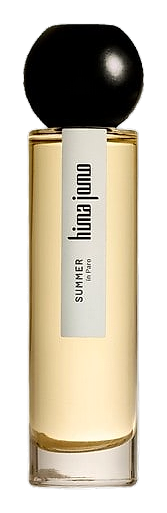
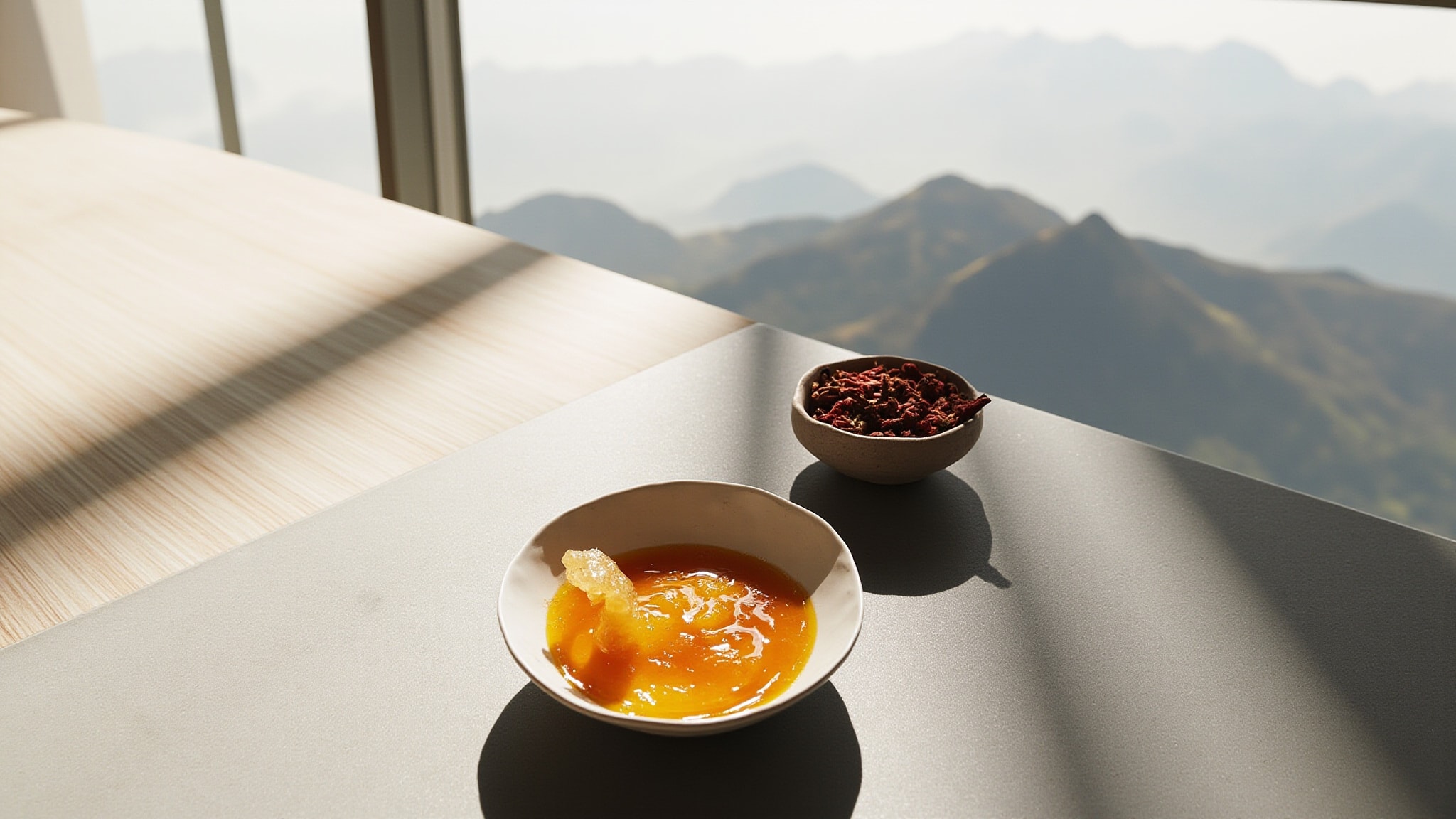
Summer in Paro takes its name from the Paro Valley in western Bhutan, a place of fertile agricultural land where rice, apples, and potatoes are cultivated. Paro is also where Bhutan's Gross National Happiness philosophy finds its physical home: a kingdom that measures prosperity in wellbeing, not GDP. The fragrance captures the essence of this landscape. Honey opens the composition, not the cloying kind, but something raw and botanical that speaks to the valley's natural sweetness. Nepalese Sichuan pepper adds a clean, metallic heat that evokes mountain air. Petitgrain brings a green citrus undertone that keeps the top layer from settling too heavy. The heart pairs benzoin and amyris for warmth, with osmanthus adding a fleeting floral sweetness that hints at the region's delicate flora.
What makes this composition unusual is the interplay between honey and fir balsam. Honey is typically a heart or base material, here it opens, lending its green, resinous character before the pepper and petitgrain arrive. The fir balsam in the base isn't a decorative note. It's the tell. That balsamic sweetness against the dry labdanum and patchouli creates a drydown that feels meditative rather than sweet. Osmanthus appears briefly, its apricot-honey character flashes across the heart then disappears, leaving the woods to settle. Amyris, often used as a sandalwood substitute, does something different here: it bridges the warm floral heart and the woody base without duplicating either.
The evolution
The opening is a surprise. Honey and Sichuan pepper arrive together, savory, slightly smoky, with the pepper's clean metallic bite cutting through. Petitgrain adds a bitter citrus edge that keeps the sweetness honest. The Timur note (Himalayan Sichuan pepper) reads as mountain air: sharp, clean, mineral. For the first thirty minutes, the composition feels like walking toward something. Then the heart opens. Benzoin spreads warm and resinous, amyris softens the edges, and osmanthus flashes briefly, a moment of honeyed apricot sweetness that interrupts the resins before the fir balsam pulls everything down. The drydown is where this fragrance lives. Labdanum and patchouli create a dry, earthy base. Benzoin and sandalwood provide warmth without weight. The fir balsam is the tell, balsamic sweetness against the drydown's restraint. It settles into skin like a slow exhale. Six to eight hours, intimate sillage, close and present without ever announcing itself.
Cultural impact
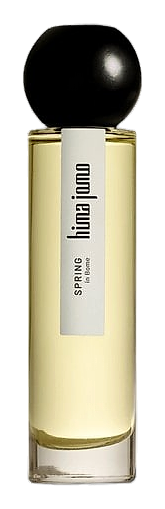
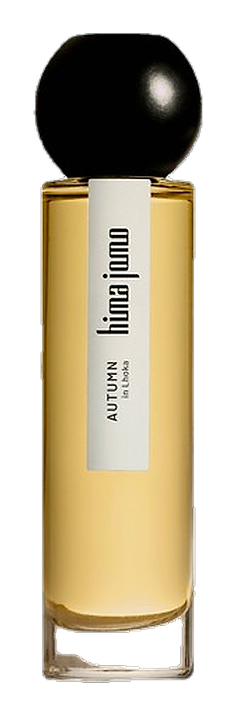
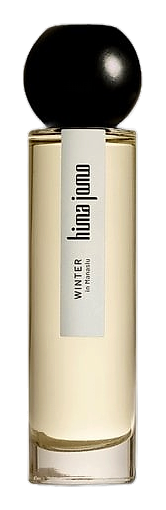
Part of the Season collection, which maps scent to specific Himalayan locales. Summer in Paro joins Autumn in Lhoka, Winter in Manaslu, and Spring in Bome, each fragrance a different valley, a different season. The honey-fir balsam-osmanthus combination creates a distinctive profile within the collection: resinous and natural, with a restraint that reflects the brand's mountain-inspired philosophy. The honey brings a raw botanical sweetness, while fir balsam provides an anchoring resinous quality.