The Story
Why it exists.
The beginning
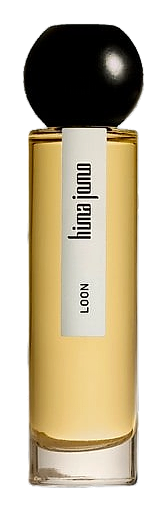
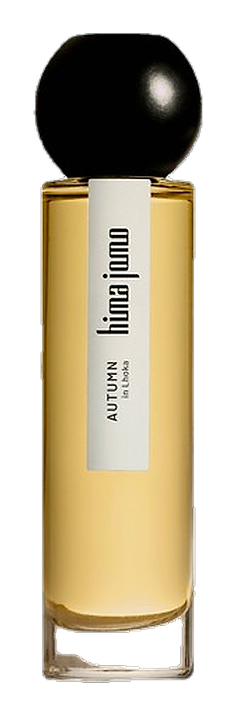
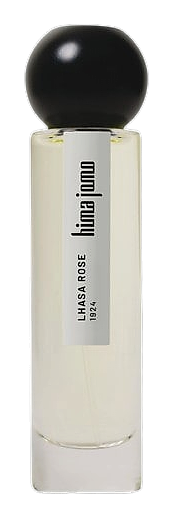
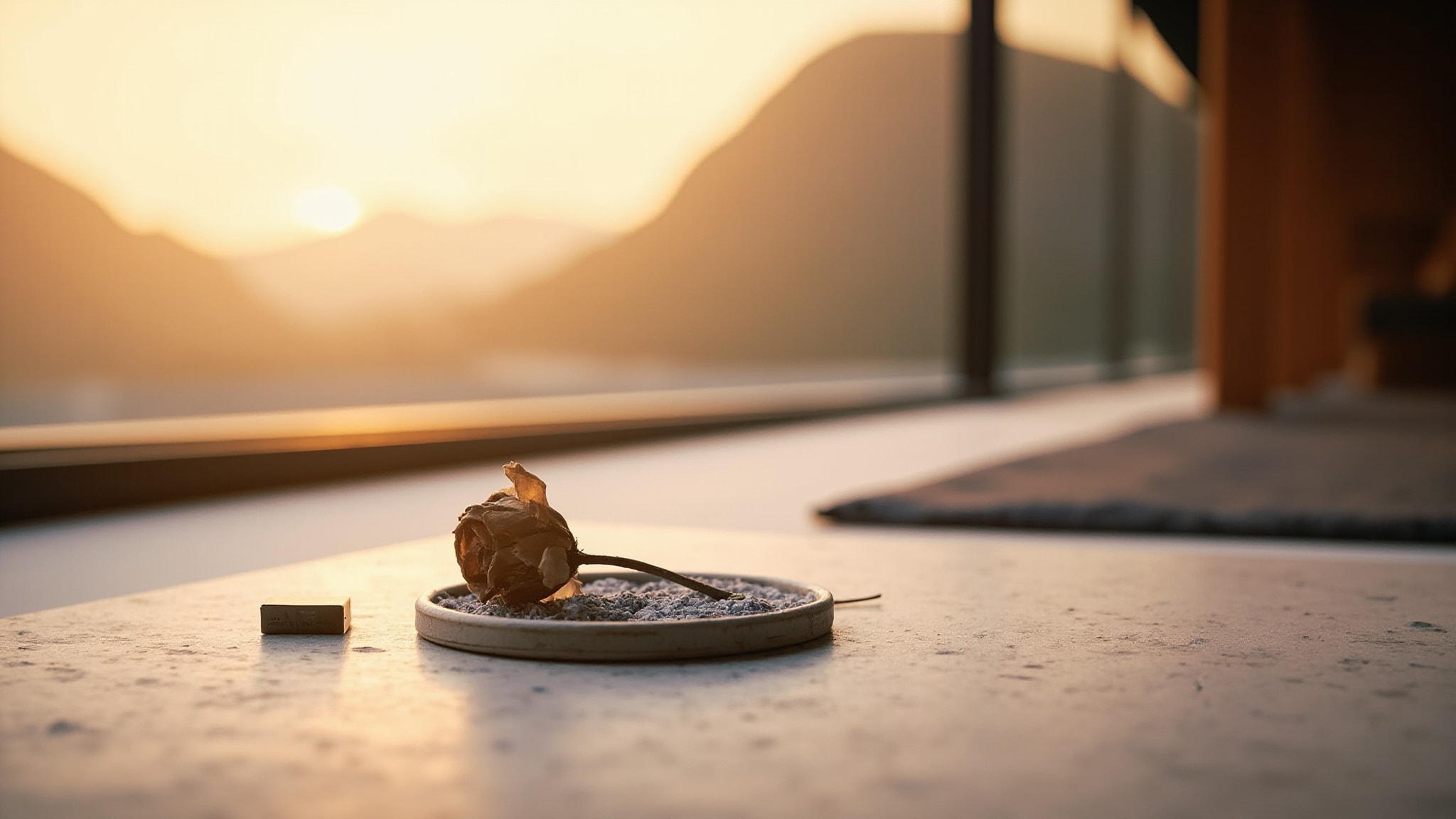
Lhasa Rose 1924 marks the centennial of Alexandra David-Néel's audacious solo journey to the forbidden city of Lhasa in 1924. Hers was not a tourist expedition. It was a spiritual act of will, arriving finally at a city that had held outsiders at bay for generations. Hima Jomo found in her story a tension their fragrances always chase: the delicate and the formidable, altitude and warmth, rare florals and ancient ritual materials. The 2024 release translates that expedition into scent. Perfumers Margaux Le Paih-Guérin and Amélie Bourgeois built the composition around a single paradox: a rose grown in high altitude conditions, and the incense that has perfumed Lhasa's temples for a thousand years. Neither element dominates.
What distinguishes this composition is structural discipline. The opening features bergamot, geranium leaf, and pink pepper. These notes announce themselves clearly, then yield. The heart occupies the fragrance's longest chapter: damask rose in full complexity, its waxy spiced richness meeting Tibetan incense that brings a smoky counterpoint. The ambergris adds mineral depth, a subtle hint of salt that adds dimension to the rose. At the base, the composition takes its time. Indian sandalwood and oud arrive slowly, building warmth rather than imposing it.
The evolution
The first minutes belong to geranium leaf and pink pepper, bright, green, slightly prickly. Bergamot threads through, adding sharp citrus clarity that lifts everything upward. The top notes don't compete for attention. They introduce. The rose then takes its place at the center of the composition. Damask rose, not a soft or forgiving interpretation, the kind with spice built in, waxy and deep. The Tibetan incense follows shortly after, not heavy or church-like, but present and smoky, like the memory of incense rather than the smoke itself. This is the heart of the fragrance and it lingers. The rose-and-smoke combination holds its position, supported by ambergris that adds a mineral quality, almost salty. The base arrives gradually. Sandalwood and oud emerge together, not separately, the warmth building slowly, the oud adding resin without aggression.
Cultural impact
The 2024 launch of Lhasa Rose 1924 arrives with a fragrance that takes a different position, deliberate restraint, natural materials, a scent narrative rooted in an actual historical journey rather than a marketing concept. The combination of damask rose and Tibetan incense is not common currency, and that specificity attracts those seeking something beyond the ordinary. In the landscape of contemporary niche perfumery, Lhasa Rose 1924 offers a contemplative approach, fragrance as practice, not performance. The scent rewards patience and attention, revealing its layers gradually rather than announcing itself immediately.