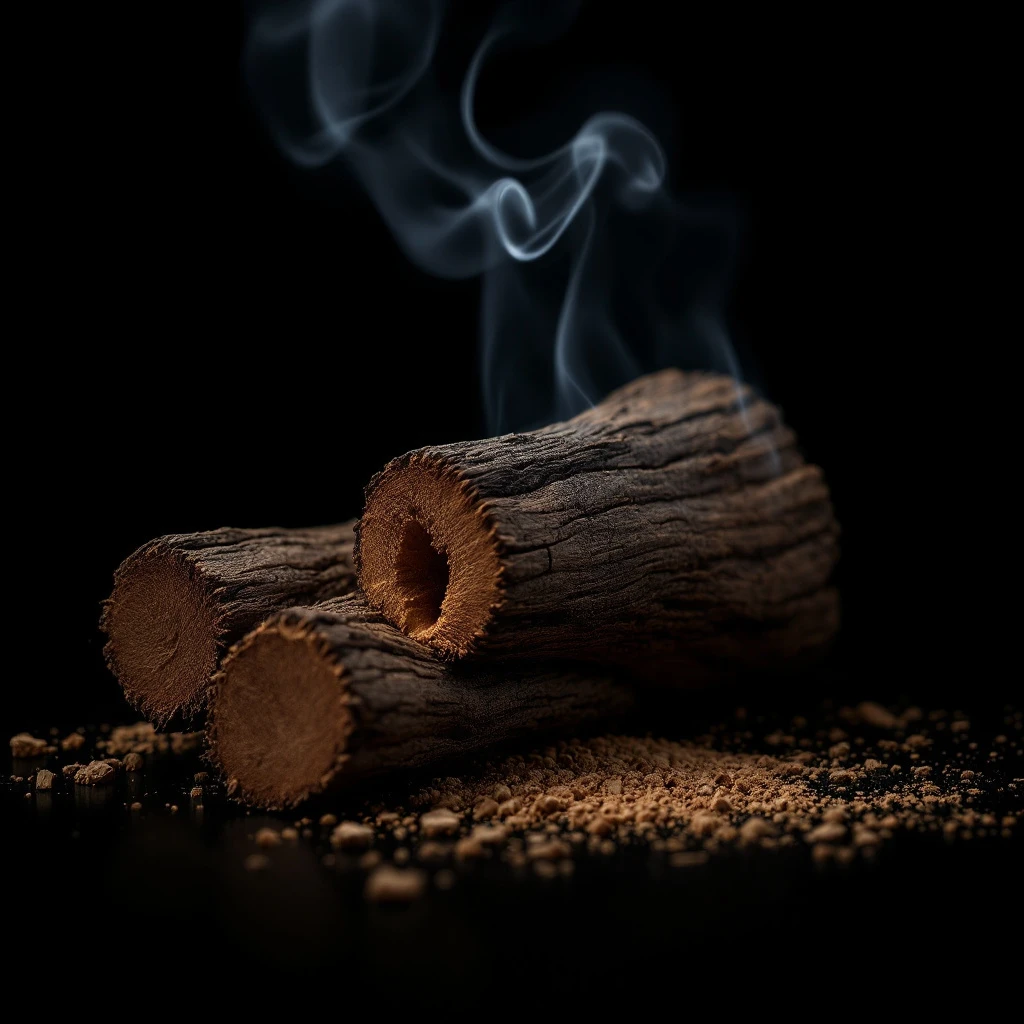
Tibetian Incense
Tibetan incense carries centuries of Himalayan ritual into the modern bottle. Grounded in Buddhist tradition and the raw aromatic resins of high-altitude forests, it offers a sacred, contemplative depth rarely found elsewhere in perfumery.
Character
How it smells
Sacred smoke, 1,300 years of tradition.
Tibetan incense is traditionally said to have been created in the 7th century AD by Thonmi Sambhota, a minister of King Songtsen Gampo.





Origin
Tibet, China
Tibetan incense traces its documented origins to the 7th century, during the reign of King Songtsen Gampo of Tibet. According to tradition, his minister Thonmi Sambhota developed the first formulas, drawing on exchanges with India and Nepal that followed the introduction of Buddhism to the region. The practice became deeply embedded in Tibetan Buddhist ritual, where fragrant smoke serves as an offering and a meditation aid.
Over the following centuries, Tibetan incense-making absorbed influences from Nepal, India, and China while developing its own distinct identity tied to local Himalayan botanicals and spiritual practice. Today, Tibetan incense remains both a living craft and a link to one of the oldest continuous incense traditions on earth, predating many other documented perfume materials by hundreds of years.
Wears it best
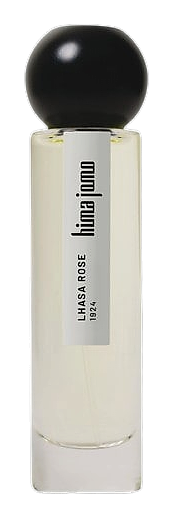
Fragrances featuring Tibetian Incense
Brands
Brands known for Tibetian Incense
Good to know
Questions, answered
The essentials on Tibetian Incense in perfumery: how it smells, where it comes from, and how it behaves on skin.
What gives Tibetan incense its distinctive character?
It combines aromatic resins, powdered woods, and herbs into a slow-burning blend. The specific botanicals vary by maker, but Himalayan cedar, sandalwood, and various roots provide a smoky, resinous foundation unlike most Western incense materials.
What role does Tibetan incense play in Buddhist practice?
Smoke offerings hold deep ritual significance in Tibetan Buddhism. Burning incense serves as an offering to deities and enlightened beings, and practitioners use the fragrant smoke to purify spaces and support meditation.
How far back does the Tibetan incense tradition stretch?
The tradition is traditionally dated to the 7th century AD, over 1,300 years ago. This makes it one of the oldest continuously practiced incense traditions associated with a specific cultural and spiritual framework.
Is Tibetan incense related to the Nubian origins of incense?
The earliest documented use of incense appears in ancient Nubia, but Tibetan incense developed independently in the Himalayan region. Both traditions reflect how different cultures adopted tree resins for ritual and aromatic purposes.
What does burning Tibetan incense actually smell like?
The scent depends on the recipe, but common notes include warm resin, dry wood, faint spice, and a clean smoky character. High-quality versions smell natural and slightly medicinal rather than heavily synthetic.
How does Tibetan incense differ from frankincense or myrrh?
Frankincense and myrrh are single-resin materials. Tibetan incense is a blended formula that typically incorporates resin along with powdered woods, roots, and herbs, creating a more complex and layered aromatic profile.
Does Tibetan incense differ by region?
Yes. Makers in Nepal, Tibet, and parts of India each develop distinct formulas reflecting local botanicals and regional traditions. The Tibetan version is especially known for its Buddhist ritual associations.
Who is credited with creating Tibetan incense?
According to tradition, Thonmi Sambhota developed the first Tibetan incense formulas in the 7th century as a minister of Songtsen Gampo, adapting aromatic practices from Indian Buddhist traditions to the Tibetan context.