The Story
Why it exists.
The beginning
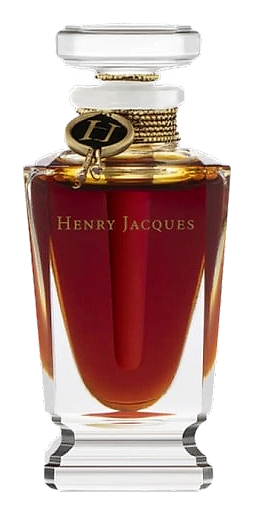
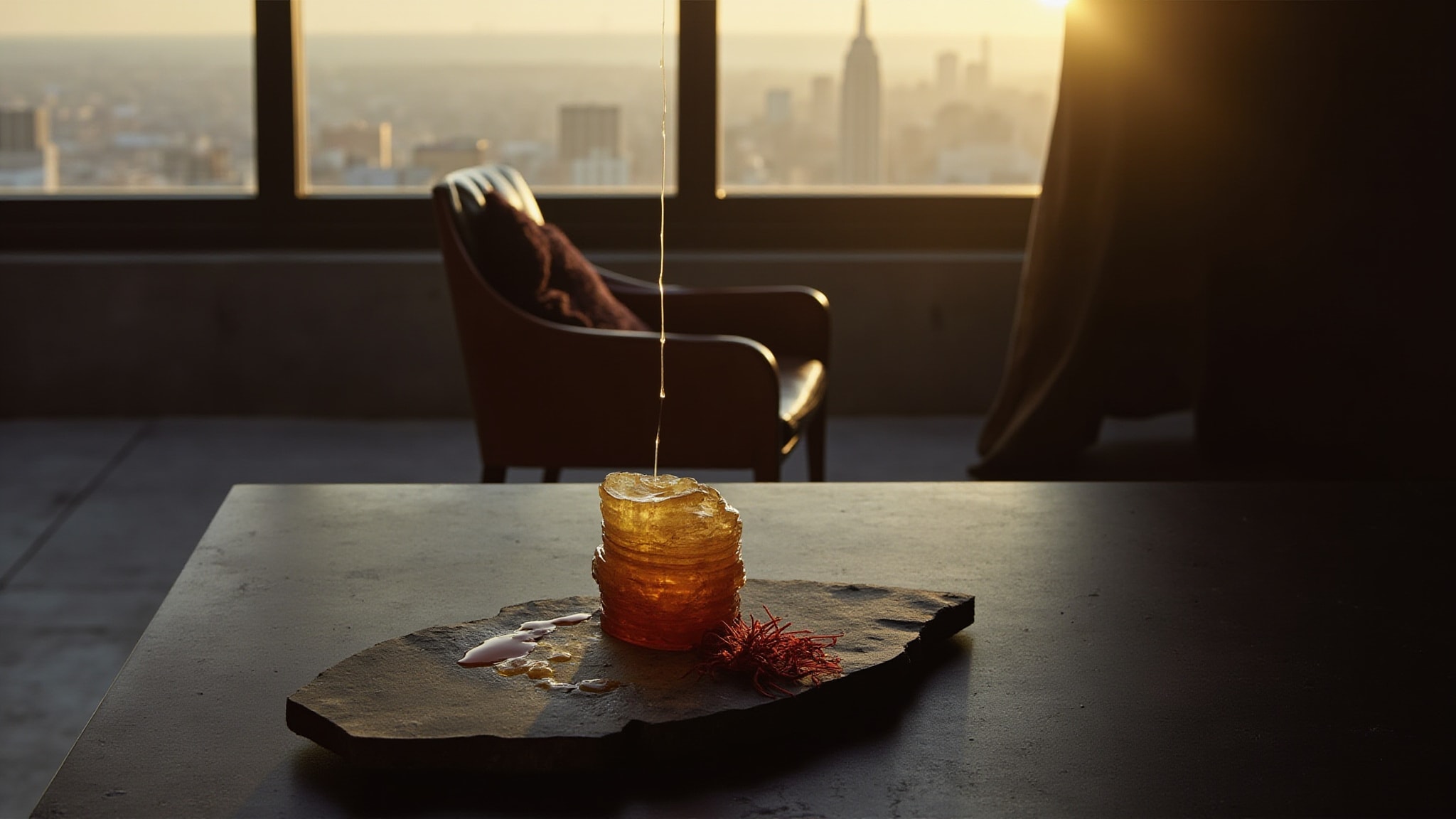
Gallia arrived in 2024 as part of Henry Jacques' continuing exploration of oud-driven compositions, a path the house has walked with clear intention. The name carries classical resonance, evoking a long arc of French heritage and the kind of weight that suggests lineage without announcing it. What emerges is a fragrance that treats agarwood not as exotic ornament but as structural backbone. Honey and saffron warm the approach, their sweetness immediately grounded by something drier, more mineral. Cedar and patchouli give it architecture, lending dry, woody gravity that keeps the opening from feeling indulgent.
What makes Gallia worth attention is the way honey meets oud without either one losing its character. The saffron acts as a bridge. Its leathery, slightly bitter edge keeps the honey grounded, turning what could read as gourmand into something drier, more mineral. The patchouli reinforces that earthy counterweight, adding a damp-soil quality that makes the leather and myrrh in the base feel rooted rather than polished. It's a composition that respects oud's seriousness while refusing to treat sweetness as weakness.
The evolution
The first thirty minutes belong to honey. It sits on skin almost amber-like, warm and golden, with saffron threading through like spice stirred into warm milk. Then the shift. Oud arrives with weight, bringing cedar alongside it. The cedar reads dry and architectural, pencil-shavings dry, while the oud pushes into leather territory, slightly animalic, slightly medicinal. Patchouli settles underneath, giving the whole composition a damp, earthy undertone that prevents the woods from feeling clean or polished. After two hours, the honey is a memory. The leather has deepened, the myrrh has warmed into something almost resinous, and the whole thing has tightened into an intimate close-to-skin presence. The transition is gradual but unmistakable: what opened bright and golden closes dark and contemplative.
Cultural impact
Gallia sits within Henry Jacques' public-facing releases, a collection that carries the weight of a house known for restraint and material seriousness. Available exclusively at the boutique in Doha, Qatar, it appeals to collectors who appreciate oud compositions that prioritize depth over decoration. It reads as resinous and heavy, a deliberate choice for wearers who want their agarwood to carry real presence rather than skimming the edges of the trend. The composition refuses to soften itself for broader appeal, and that refusal is part of its value.