
The Story
Why it exists.
The beginning
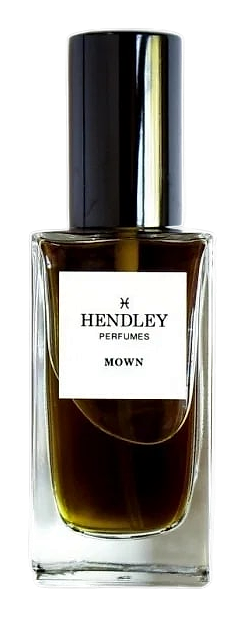
Mown arrived in 2017 from Hans Hendley. The fragrance translates a particular shade of late-summer Americana into a bottle without sanding off the rough edges. The name does exactly what it says. Grass, mown. Sun, warm. Season, turning. What makes it click is the refusal to round the edges into something safer, sweeter, easier to wear at a dinner party. Hendley lets the green and the dry and the slightly animalic notes sit next to each other without forcing them to agree. You smell the cut and the cure simultaneously, a split-second where the grass is still wet and the leaf is already curing. That tension carries through the whole bottle. It's the scent of a field at the hinge point, the last week before everything browns out and the air gets heavier.
Hendley built the composition around hay absolute and tobacco, anchoring the entire structure on materials that read agricultural and a little raw. Hay absolute sits somewhere between dry and faintly sweet, almost animalic when it lands at full strength, like the inside of a barn loft in late August. The tobacco here is a cured-leaf tobacco, dusty and faintly fermented, the smell of a leaf that's been hung to dry rather than something candy-sweetened into a cocktail. Together they sketch the smell of a barn before the florals and moss arrive to round things into something wearable.
The evolution
The opening belongs to cut grass and chamomile. Bright, green, slightly bitter, like pulling stems apart between your fingers. Tobacco curls underneath from the start, giving the opening a warmth it shouldn't have at this stage, a low smoky hum beneath the chlorophyll-bright top. As the composition settles, champaca flower and orris root step forward and the whole thing gets creamier, fuzzier around the edges. The dried fruits surface next, adding a figgy sweetness that wasn't promised and shifts the mood from sunlit field to something more autumnal, a basket of fruit left on a porch. The moss comes last, damp and forest-floor green, grounding everything in a darker, cooler register. On skin, Mown behaves like a slow-burn composition, generous with its drydown and patient about revealing its layers.
Cultural impact
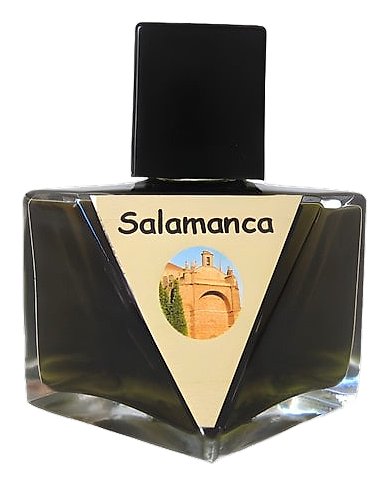
Mown draws comparisons on fragrance community platforms to Pineward's Steading and Olympic Orchids' Salamanca, fellow compositions listed in similar-fragrance recommendations that lean into hay, moss, and tobacco. The appeal for many wearers is the botanical complexity of the formula delivered without the formality, the heavy price tags, or the projection expectations of European haute parfumerie. Mown doesn't need to announce itself across a room to justify its existence, and that restraint has helped it find an audience.