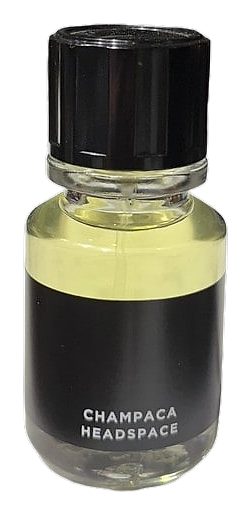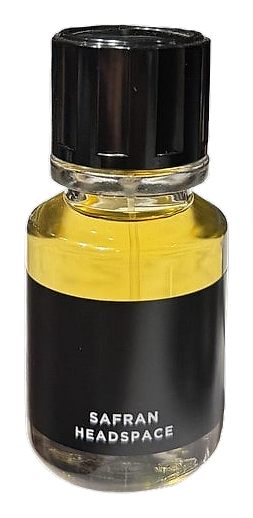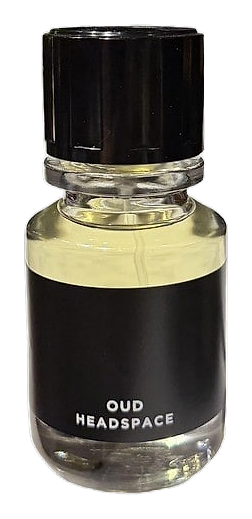
The Story
Why it exists.
The beginning
The answer, it turns out, is something that shouldn't cohere but does. Rasquinet found a starting point in the material's natural character. The brief was simple: oud, taken on its own terms, pushed into conversation with fruit and leather. The composition pairs the resinous depth of oud with the bright, almost syrupy sweetness of tropical fruit, while leather adds a tactile, smoky counterpoint. These elements, sweetness, darkness, and warmth, interact in unexpected ways, each tempering the others and creating something greater than the sum of its parts. The 2025 launch represents that intent fully realized.
The note structure is unusual by design. The pineapple is ripe, almost syrupy, but it opens onto leather and oud rather than settling into vanilla or tonka. The florals in the heart, geranium, orange blossom, peony, perform a tricky hand-off, bridging the fruity opening to the darker base without losing either. The contrast between tropical sweetness and dark resin is the entire point, and the composition earns that contrast rather than hedging it.
The evolution
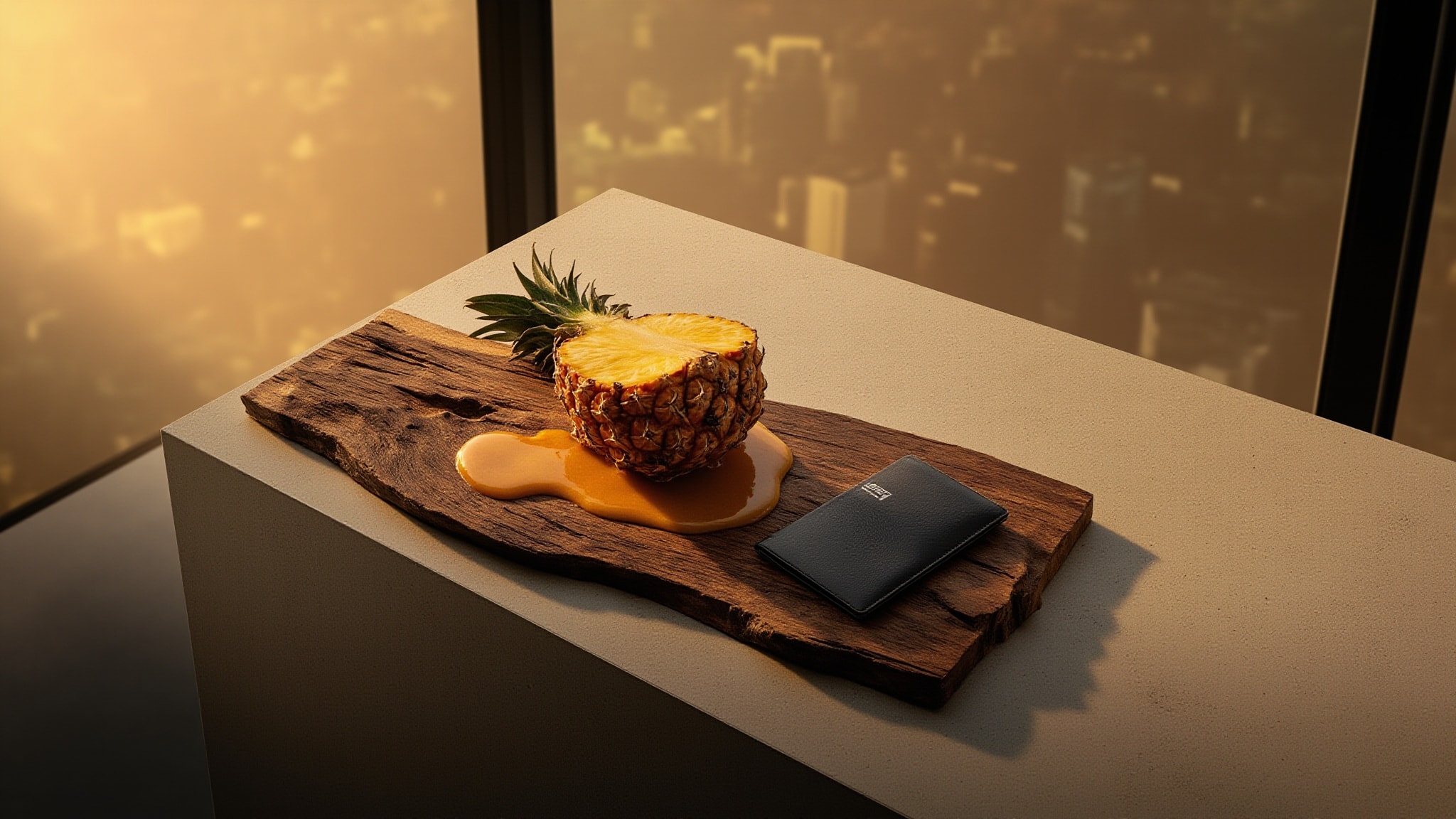
The opening is the most accessible part. Lemon brightens the top notes, pineapple joins shortly after, and you are in tropical territory, fruit cut open, juice running, golden and ripe. Then the florals arrive. Geranium and orange blossom take over, shifting the fragrance from fruity to something more complex. The leather announces itself quietly, then louder, its smoky warmth cutting through the sweetness. By the mid-stage, the oud has arrived properly, smoky, resinous, dark. The patchouli sits underneath, earthy and grounding. What remains is leather and oud, with a ghost of sweetness that reads more as memory than presence. Like someone cut open a ripe pineapple on stained wood hours ago and the room still holds the ghost of it. The drydown reveals each material layering into the next, with the oud becoming creamier and more hypnotic as the leather softens around it.
Cultural impact
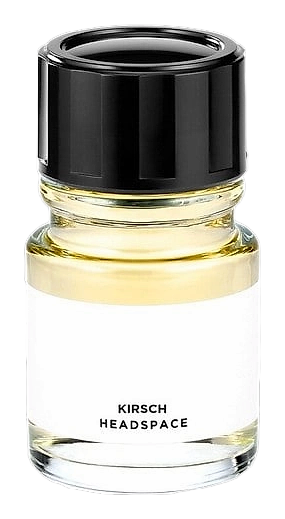
Oud has been central to perfumery in the Middle East for centuries, valued for its rich, resinous character and status as a luxury ingredient. Headspace Oud takes this storied material in a surprisingly modern direction by pairing it with bright tropical fruits like pineapple and crisp lemon. The combination places the deep, complex character of oud alongside the approachable brightness of tropical fruit, creating an unexpected tension that feels both familiar and surprising. This fruity-meets-oud approach offers something for those who appreciate traditional luxury ingredients while seeking new olfactory experiences.
The House
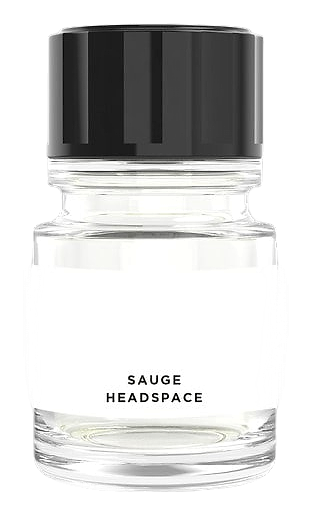
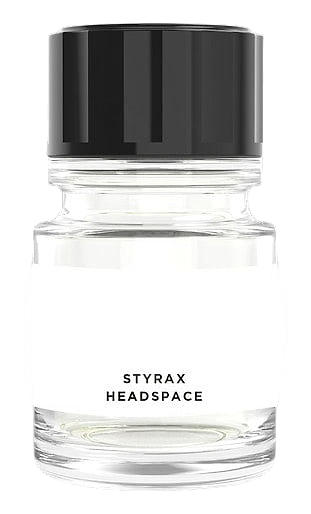
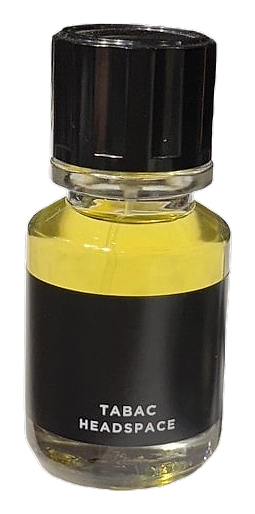
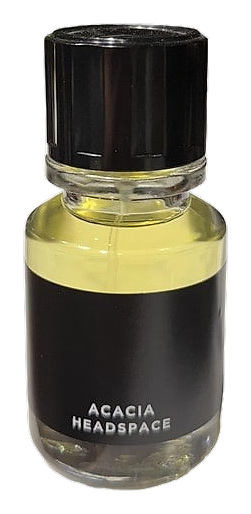
HeadspaceHeadspace is a French niche perfume house that positions itself around the idea of capturing a fleeting impression and turning it into a scent. The brand emerged in the early 2020s and quickly attracted attention for its use of headspace analysis – a scientific method that records the volatile compounds of an environment and then reconstructs them in the lab. Each launch presents a single, focused material, such as Tabac (2025) or Safran (2025), rather than a traditional multi‑note composition. The result is a series of minimalist, almost documentary fragrances that invite the wearer to recall a specific moment or place. Headspace distributes its creations through a curated online platform and a handful of boutique partners, keeping the line small and the experience intimate.
The Creator
Julien RasquinetBold, unexpected combinations define Rasquinet's signature. He constructs fragrances that are simultaneously dramatic and harmonious, pushing material boundaries while maintaining wearability.