The Heritage
The Story of Headspace
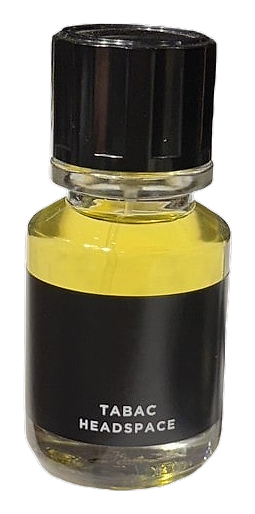
Headspace is a French niche perfume house that positions itself around the idea of capturing a fleeting impression and turning it into a scent. The brand emerged in the early 2020s and quickly attracted attention for its use of headspace analysis – a scientific method that records the volatile compounds of an environment and then reconstructs them in the lab. Each launch presents a single, focused material, such as Tabac (2025) or Safran (2025), rather than a traditional multi‑note composition. The result is a series of minimalist, almost documentary fragrances that invite the wearer to recall a specific moment or place. Headspace distributes its creations through a curated online platform and a handful of boutique partners, keeping the line small and the experience intimate.
Heritage
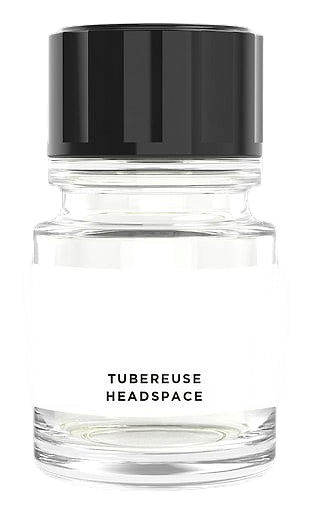
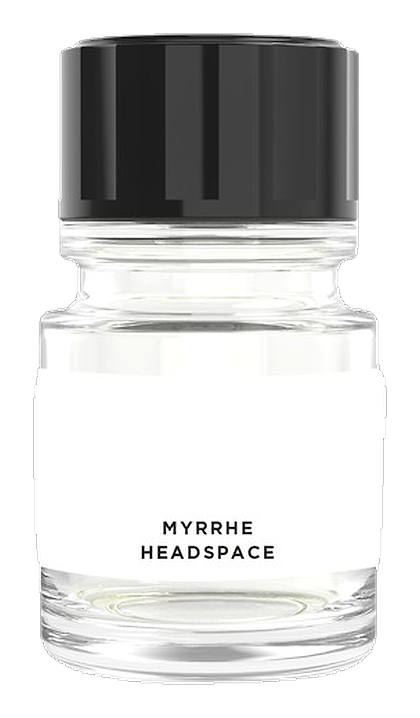
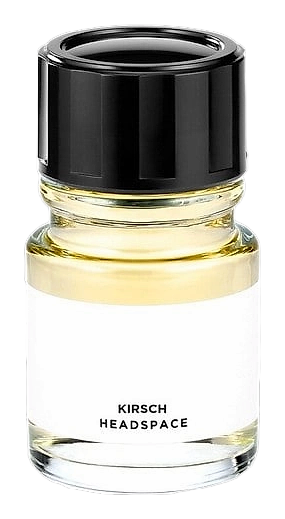
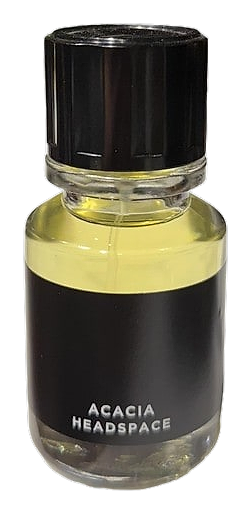
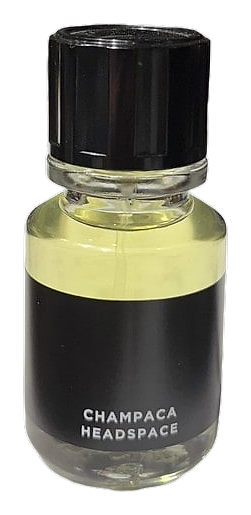
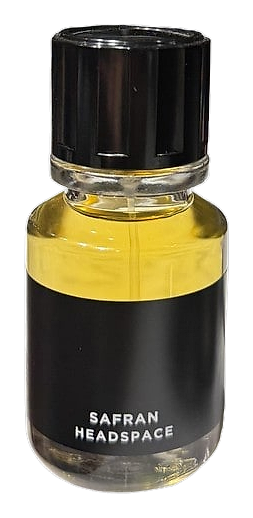
The story of Headspace begins with Nicolas Chabot, a former executive in the French fragrance sector who became fascinated by headspace technology after reading about its early use in the 1980s. In interviews published in 2022, Chabot explained that he wanted to build a house that would treat scent like a field note, preserving the raw aroma of a material rather than layering it with synthetic accords. The brand’s first public appearance occurred at the ESXENCE trade show in 2022, where a preview of the upcoming line was presented alongside perfumer cpl_aromas. That same year the house released Tubereuse and Myrrhe, two scents that demonstrated the headspace method on botanical and resinous sources. 2023 saw the launch of Kirsch, a fragrance built from the volatile profile of sour cherries, followed by a series of 2025 releases – Tabac, Safran, Champaca, Acacia and a rose‑centric offering – each announced through the brand’s website and social channels. Throughout its short history, Headspace has remained independent, avoiding large corporate ownership and focusing on limited‑run drops that sell out quickly. The house’s milestones include the 2022 ESXENCE debut, the first collaboration with perfumer cpl_aromas, and the 2025 expansion into five new olfactory territories within a single year, underscoring a rapid but measured growth strategy.
Craftsmanship
The production workflow at Headspace begins with field collection. A team travels to farms, markets or historic sites to place a sealed sampling device over the material of interest. The device draws in volatile compounds, which are then transferred to a laboratory for chromatographic analysis. This data set guides the creation of a synthetic replica that mirrors the original scent profile as closely as possible. The house works closely with perfumer cpl_aromas, who translate the analytical data into a formula that can be safely reproduced at scale. Natural extracts are used when they meet the purity standards established by the headspace analysis; otherwise, high‑grade aroma chemicals fill the gaps. Quality control includes a second round of headspace testing on the finished product to confirm fidelity to the source. Bottles are filled in small batches, typically under 500 units per release, to maintain consistency and reduce waste. The brand sources glass from a French manufacturer known for its low‑impact production, and each label features a simple typographic treatment that reflects the minimalist ethos of the fragrance itself. Shipping is handled through a direct‑to‑consumer model that reduces intermediaries and allows the house to keep a tight feedback loop with its community of scent enthusiasts.
Design Language
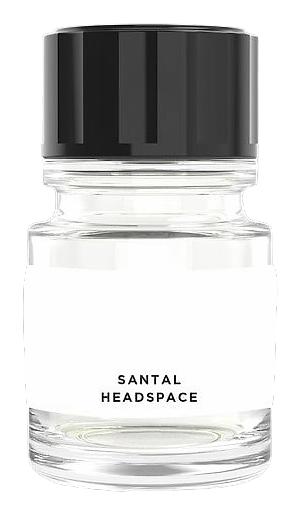
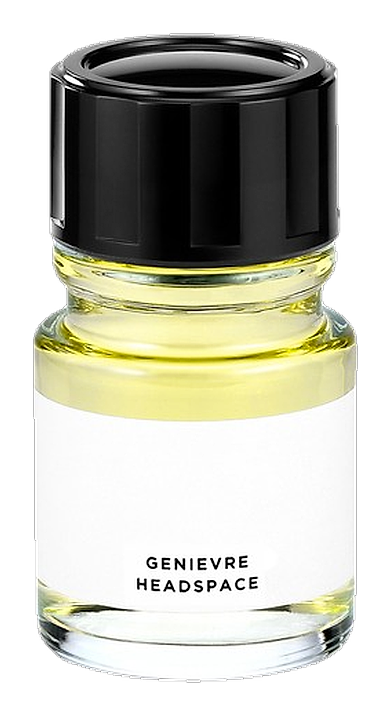
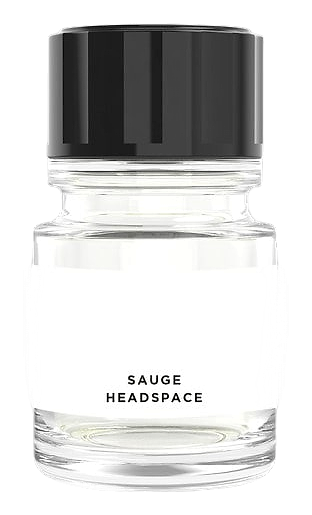
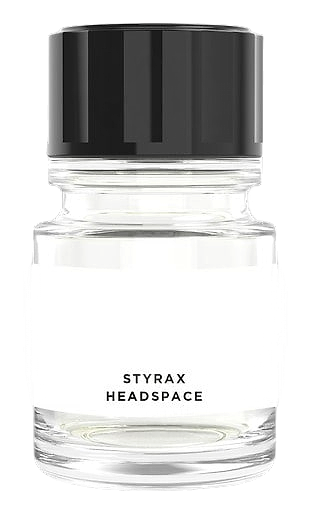
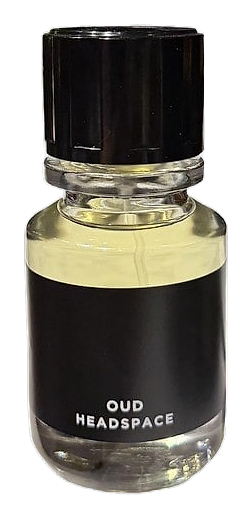
Headspace’s visual language mirrors its olfactory minimalism. The website presents a clean white background with high‑resolution photographs of the bottles against a neutral backdrop, allowing the glass and the scent name to stand out. Bottles are clear, slender, and capped with a brushed metal lid, echoing the scientific equipment used in headspace analysis. Labels consist of a single line of sans‑serif type, the brand name in small caps followed by the fragrance title in a slightly larger weight. This restrained design appears across social media posts, where product shots are paired with brief captions that explain the source material rather than elaborate marketing copy. The overall image conveys a modern French laboratory aesthetic, positioning the house as both a laboratory and a boutique perfume atelier. The brand’s colour palette stays within muted greys, soft whites and occasional accent hues that hint at the featured ingredient – for example, a warm amber tone for Safran or a deep green for Tabac.
Philosophy
Headspace describes its creative vision as a dialogue between science and imagination. The core belief is that a single raw material can convey an entire narrative if its authentic volatile profile is captured accurately. To that end, the house relies on headspace analysis – a technique invented in the 1970s that traps the scent molecules emitted by an object or environment and records them for later reconstruction. The brand treats each fragrance as a snapshot, avoiding the traditional perfume architecture of top, middle and base notes. Instead, it presents the material in its purest form, allowing the wearer to experience the scent as if standing in the source location. This approach aligns with a broader value system that prioritizes transparency, sustainability and respect for the source. Ingredients are sourced from growers who practice environmentally responsible methods, and the production process emphasizes minimal processing to preserve the integrity of the captured aroma. Headspace also positions itself as an educational platform, inviting customers to learn about the science behind each scent through detailed notes on its website.
Key Milestones
2022
Headspace debuted at the ESXENCE trade show, unveiling its first two fragrances, Tubereuse and Myrrhe.
2023
Kirsch was launched, marking the first use of headspace analysis on a fruit material.
2025
A rapid expansion introduced Tabac, Safran, Champaca, Acacia and a Rose fragrance, each built from a single raw material.
2026
Headspace was featured in the Notes Shanghai 2026SS Brand Spotlight, highlighting its modern French niche positioning.
At a Glance
Brand profile snapshot
Origin
France
Collection
1
Fragrances released
Avg Rating
4.4
Community sentiment
Release Rhythm


