The Story
Why it exists.
The beginning
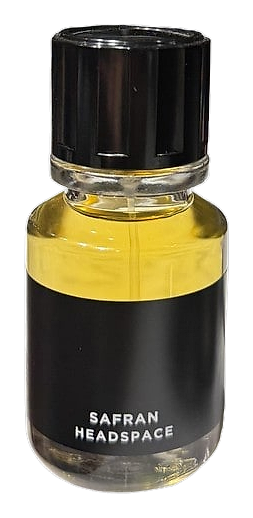
Julien Rasquinet approached Safran with a question: what does saffron actually smell like when you strip away everything perfumery has built around it? The material has long been subject to interpretation in fragrance. Either you get the medicinal, almost clinical metallic version or the honeyed, almost-gourmand version. Rasquinet wanted to explore what the headspace data might reveal. The fragrance that resulted is less a composition than a document, proof that a single material can hold an entire narrative if you let it. Working from the material's actual volatile profile rather than an idealized version, he pursued something with edges, with mineral warmth, with the kind of complexity that comes from staying faithful to the source rather than imposing a familiar story onto it.
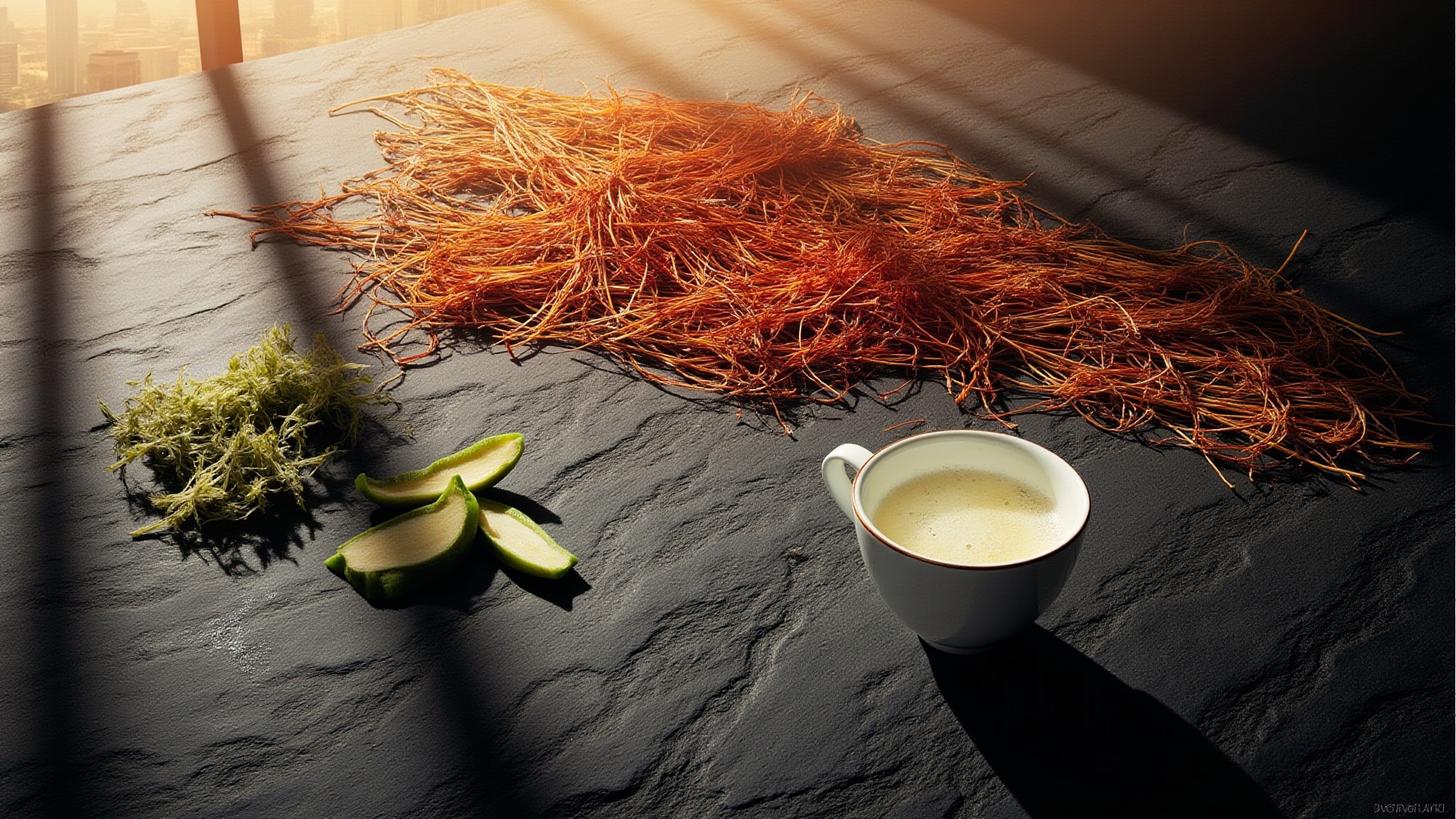
Most fragrances build around saffron. Safran Headspace builds from it. The difference matters. When you start with the material's actual volatile profile rather than an idealized version, you get something with edges. The galbanum isn't decorative, it sharpens the saffron's mineral quality, pulling it away from sweetness and toward something earthier, more geological. The Lapsang souchong headspace adds smoke without tipping into barbecue territory.
The evolution
The opening hits in seconds. Lapsang souchong, smoked, almost tar-like, with galbanum's green bite cutting through. Cardamom and dry pepper sit just behind, adding warmth without rounding anything off. The whole thing reads sharp, deliberate, a little confrontational. The smoke settles and the saffron takes over, mineral and warm, slightly metallic in a way that feels like sunlight on stone rather than clinical or antiseptic. The mate and frankincense move in gradually, softening the edges, adding resin without sweetness. In the heart, saffron remains dominant but held by something bitter and powdery. The iris isn't loud, it's the thing that keeps the whole thing from becoming too intense. The base builds with leather-like depth, osmanthus bringing a subtle floral sweetness and patchouli adding earthiness. Still close to skin, still present.
Cultural impact
Safran landed in 2025 with a specific proposition: what if saffron wasn't an accent but the entire argument? The fragrance occupies a particular space in the niche market, appealing to those drawn to mineral, metallic, almost geological interpretations of the note rather than the sweeter, more honeyed versions. It's not trying to convert anyone. It's already talking to the converted. The headspace approach means this isn't saffron as most people know it from conventional fragrances. It's saffron as the material itself would present, unfiltered by the assumptions perfumery has built up around it over decades.