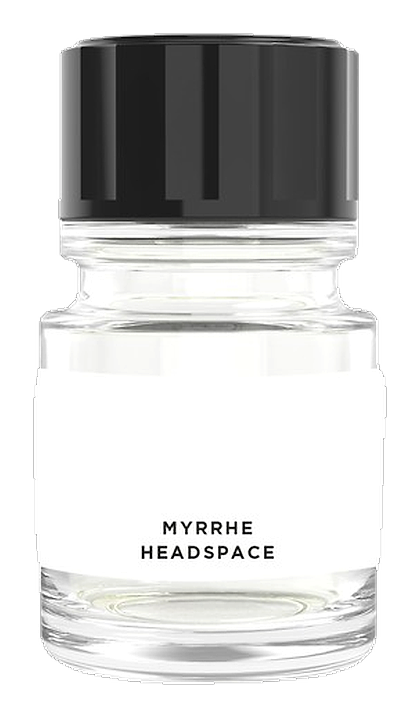
The Story
Why it exists.
The beginning
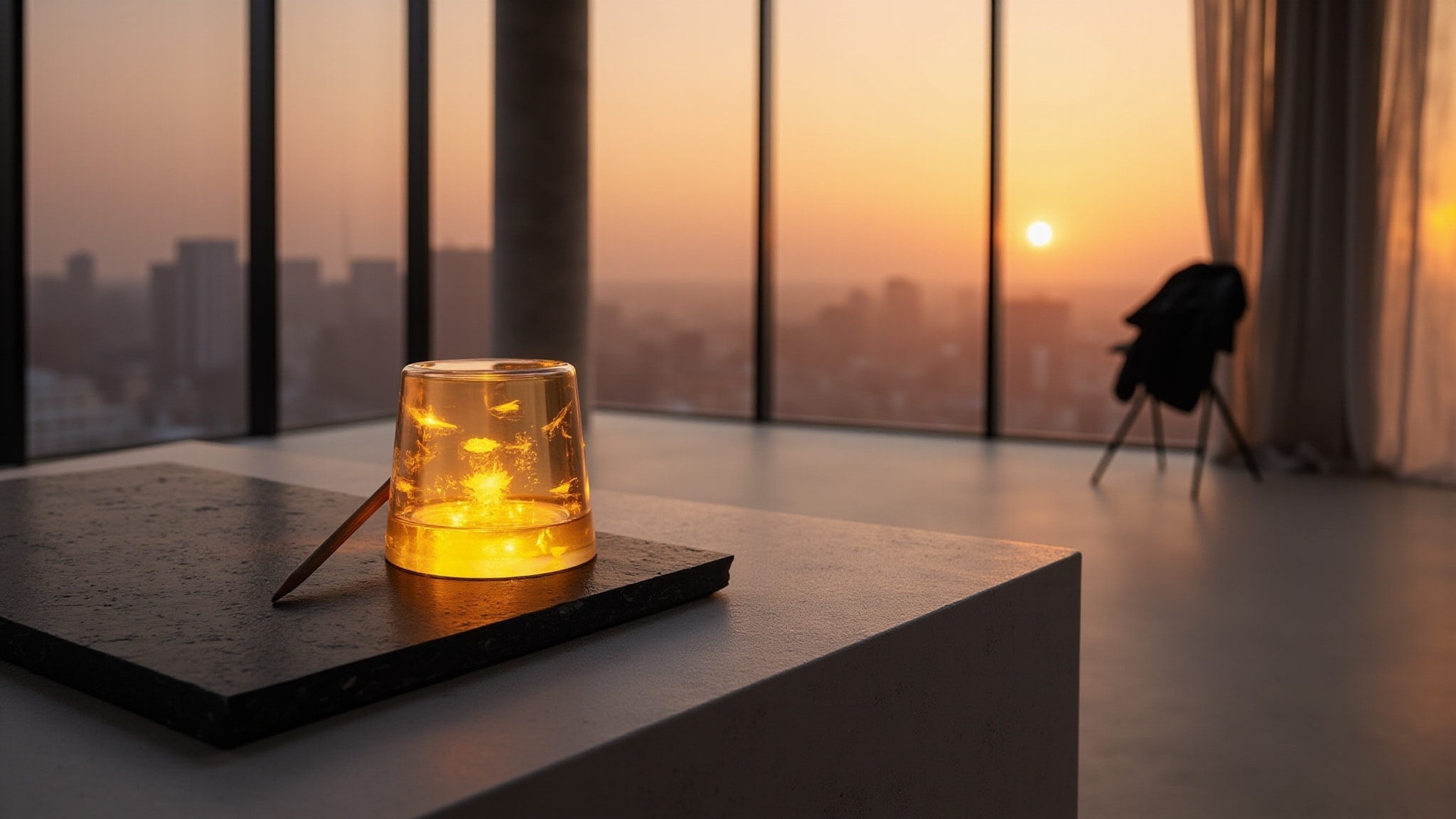
The idea for Myrrhe arrived from a coastline. The image of a steep hill above a white sand beach kept surfacing during development, mineral, sun-warmed, alone. The goal was to translate that feeling into myrrh. Not a myrrh fragrance in the conventional sense, but the feeling of myrrh in that specific place, at that particular hour, when the air remains warm but the stone has surrendered its heat to the gathering evening. The composition would need to hold that tension between warmth and mineral stillness, between the resinous depth of myrrh and the clean, almost austere quality of the coastline that inspired it. What emerged was a fragrance built around that single image, letting the resinous warmth and the mineral coolness exist in constant dialogue rather than competing for dominance.
What makes Myrrhe work is the frankincense. Not as a supporting note but as a counterweight. Myrrh brings density, the thick, almost sticky warmth of resin dried in desert air. Frankincense brings clarity, the way smoke from burning olibanum lifts rather than settles. Together they create a tension: warmth that doesn't suffocate, smoke that doesn't obscure. The Ceylon cinnamon adds a third dimension, not the sharp spice of baking spice but something closer to sunlight given texture. Indonesian patchouli keeps the base grounded in a way that's earthy without being heavy, while ambroxan provides the drydown's staying power. This is not a pyramid of notes. It's a single material viewed from three angles.
The evolution
The opening doesn't announce itself so much as arrive. Myrrh and frankincense emerge together, resinous and clear, with a mineral note threading underneath like a cold stone beneath warm sand. The Ceylon cinnamon shows itself within the first few minutes, not as a spike but as a slow brightening, like light moving across water. By the second hour, the composition has settled into something warmer but no less present. The patchouli and cedar take over the base, giving the fragrance a woody structure that holds the resinous warmth in place. The ambroxan appears in the final act, the drydown that stays close to skin but lingers. What remains is a fragrance that unfolds gradually, each stage revealing something the previous one only hinted at, building toward a conclusion that feels inevitable rather than imposed.
Cultural impact
Myrrhe occupies an unusual intersection in the fragrance landscape. The mineral-warm tension that defines the composition gives it a versatility that many resin-heavy fragrances lack, appealing to those who find traditional resin fragrances overwhelming. The mineral quality provides a counterweight to the warmth, preventing the scent from becoming cloying or dense. This balance makes the fragrance distinctive from both mainstream and niche offerings, offering something that feels both grounded and complex.
The House
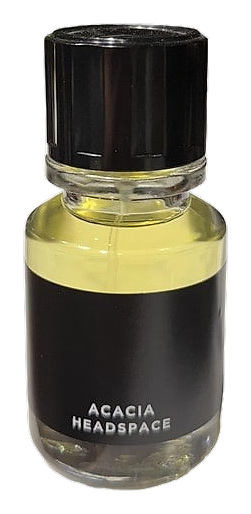
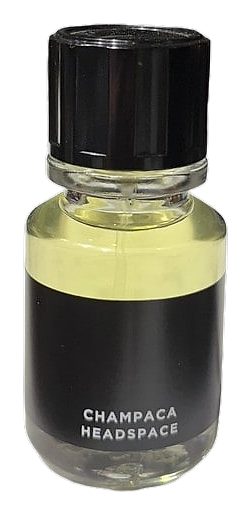
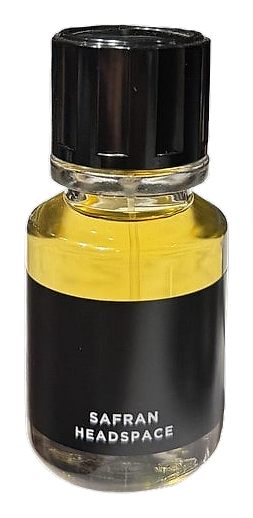
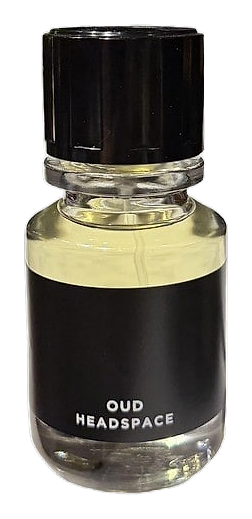
HeadspaceHeadspace is a French niche perfume house that positions itself around the idea of capturing a fleeting impression and turning it into a scent. The brand emerged in the early 2020s and quickly attracted attention for its use of headspace analysis – a scientific method that records the volatile compounds of an environment and then reconstructs them in the lab. Each launch presents a single, focused material, such as Tabac (2025) or Safran (2025), rather than a traditional multi‑note composition. The result is a series of minimalist, almost documentary fragrances that invite the wearer to recall a specific moment or place. Headspace distributes its creations through a curated online platform and a handful of boutique partners, keeping the line small and the experience intimate.
The Creator
Julien RasquinetBold, unexpected combinations define Rasquinet's signature. He constructs fragrances that are simultaneously dramatic and harmonious, pushing material boundaries while maintaining wearability.