The Story
Why it exists.
The beginning
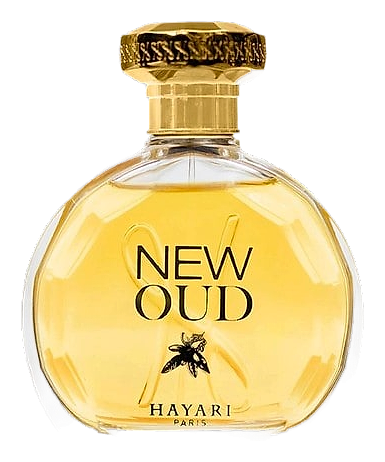
Hayari Parfums is a French house built on cultural duality, the brand name itself derives from the Arabic word for perfume, a nod to the ancient aromatic traditions of the Middle East. New Oud, created by perfumer Cécile Zarokian and launched in 2016, puts that duality into practice. The name suggests something new is happening with oud, not the same dark-wood trajectory, but a conversation with something unexpected. Tuberose. The pairing of oud and tuberose is unusual territory. Two fragrance families that rarely share space, brought together in a composition that leans neither fully Eastern nor fully Western, but finds its own territory. The bright citrus opening gives way to something darker, warmer, more animalic. That's the tension at the heart of this fragrance, and probably why it earned the label 'a first in perfumery.'
The oud and tuberose pairing is an unusual dialogue between two fragrance families that don't typically share space. Oud tends to overwhelm florals, its dark, animalic character doesn't play well with delicate petals. But here, the tuberose doesn't retreat. It meets the oud head-on, creating something that feels bold and unconventional rather than soft and sweet. The base notes, patchouli, Canary Islands juniper, vetiver, papyrus, ground the composition with an earthy, mineral quality that tempers the tuberose's sweetness and gives the drydown a warm, intimate leather-like presence on the skin.
The evolution
The opening hits sharp and clean, bitter orange, petitgrain, a citrus brightness that feels almost green. The orange blossom softens the sharpness within minutes, but the real story starts around the 20-minute mark when the oud takes over. The transition is sudden. One moment you're in bright, sparkling territory; the next, you're in something darker, warmer, more animalic. The tuberose appears alongside the oud, but it's not the creamy white floral you might expect, it's sharper here, edged with something leathery. The saffron adds a warm, medicinal spice that ties the heart together. By the second hour, the drydown settles into patchouli and papyrus, woody, slightly dry, like old paper or tree bark. The vetiver and juniper bring a smoky, mineral quality underneath. The oud softens but doesn't disappear. It lingers in the base, warm and creamier than the opening suggested, for eight to ten hours on most skin types.
Cultural impact
New Oud has earned a reputation for dividing opinion, and that seems intentional. The unusual pairing of oud and tuberose, described by the brand as a first in perfumery, attracts wearers who want something that doesn't follow the expected trajectory. The strong sillage and above-average longevity attract those who want a fragrance that announces itself rather than whispers. Community reviews note the wild, torfy-floral character with animalistic undertones, something that stands apart from more conventional oud fragrances. Wearers who appreciate it tend to describe it as bold, unconventional, and worth the risk of a blind buy.