The Story
Why it exists.
The beginning
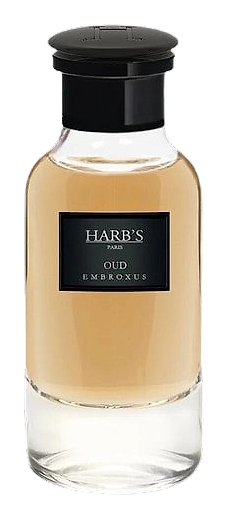
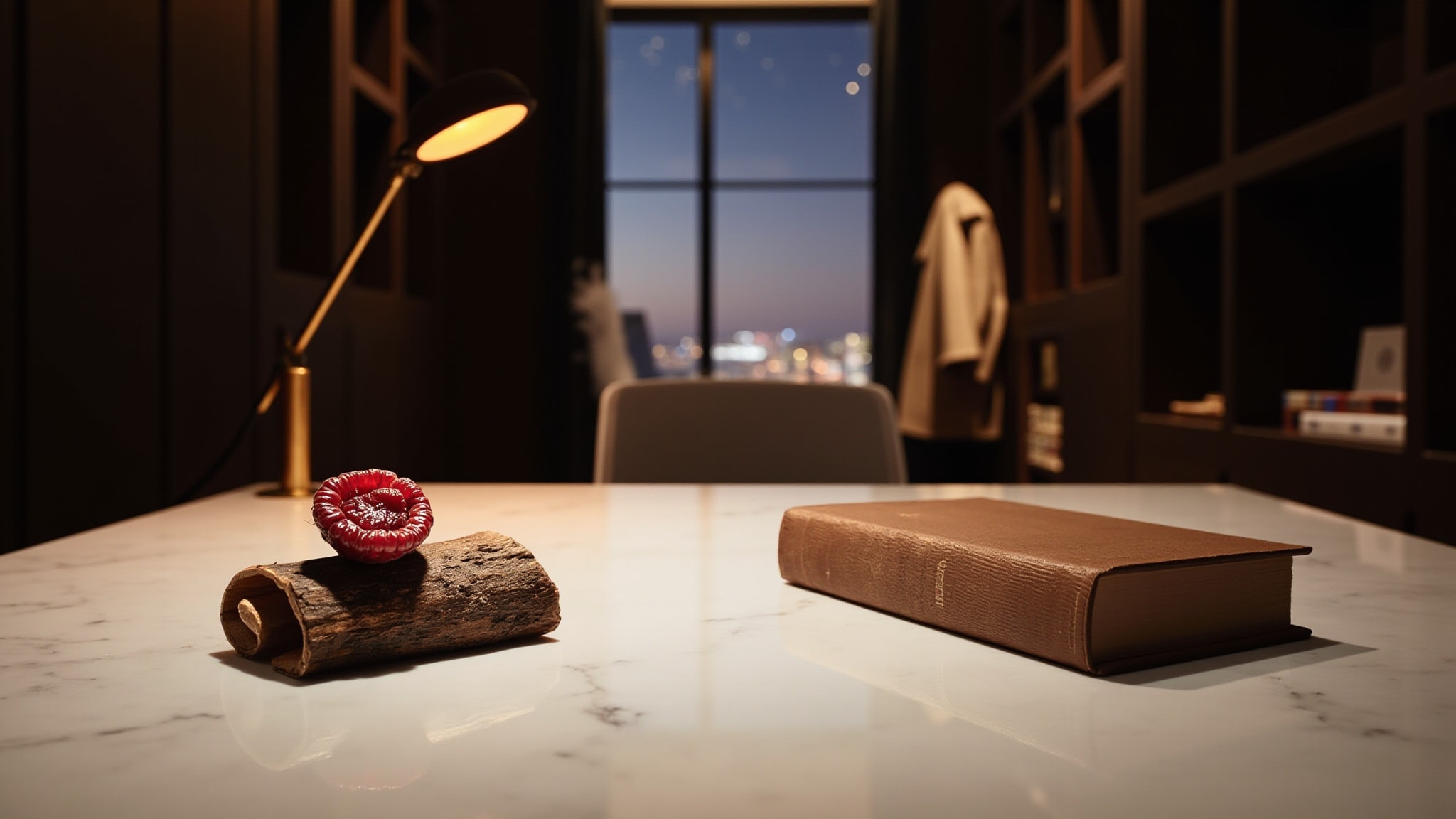
Oud Embroxus arrived in 2024 as part of Harb's expanding catalogue of oud compositions, a growing house working in the agarwood space at a moment when the note is being reinterpreted across many boutique labels. The name carries the kind of intentional weight the genre rewards, folding an embroidered logic into the resin-soaked language of oud perfumery. Raspberry on top, Bulgarian rose at the heart, tobacco and guaiac wood in the base. The architecture is a serious one, a composition that treats each family of materials as its own load-bearing wall rather than a decorative flourish. On skin the raspberry reads sharp and almost mineral rather than the jammy fruit accord you're expecting.
What makes Oud Embroxus interesting isn't any single note. It's the layering logic. Bulgarian rose and saffron sit alongside a Cypriol nagarmotha opening that already leans earthy before the oud even settles in. The base runs deep, guaiac wood, tobacco, patchouli, sandalwood, labdanum, cashmere wood, ambergris, vanilla, musk, a foundation that holds the composition in place as the heart moves through its slow choreography. Bulgarian rose and saffron glide across the center stage.
The evolution
The first ten minutes belong to raspberry, but not the jammy kind. It reads as tart, almost mineral, sliced thin over Cypriol's earthy rootiness. The oud underneath doesn't announce itself; it hums. By the thirty-minute mark, Bulgarian rose opens like a door into a darker room, powdery, slightly metallic, threaded with saffron's dry heat. Orris lifts the whole heart into something almost velvety. After two hours, the base takes over completely. Tobacco and guaiac wood dominate, with vanilla and labdanum rounding the edges into something that smells like the inside of a leather shop after closing. The oud deepens as the hours pass. On fabric the next morning, the drydown reads warmer with the patchouli surfacing. The first hour carries the brightness, the second and third settle into the base, and by the time the roses have gone quiet, the woods and resins are still giving warmth.
Cultural impact
Oud Embroxus arrives at a moment when raspberry-and-oud pairings are pulling attention from the older, heavier incense-and-resin templates that have defined the genre for decades. The composition uses raspberry as a way to brighten the resin without abandoning the structural depth oud wearers expect. It positions the fragrance within a current wave of oud compositions aimed at wearers who want a recognizable agarwood profile but without the heavier traditional coding. The Bulgarian rose and saffron partnership leans into the older rose-oud lineage while the raspberry keeps the opening modern.