The Story
Why it exists.
The beginning
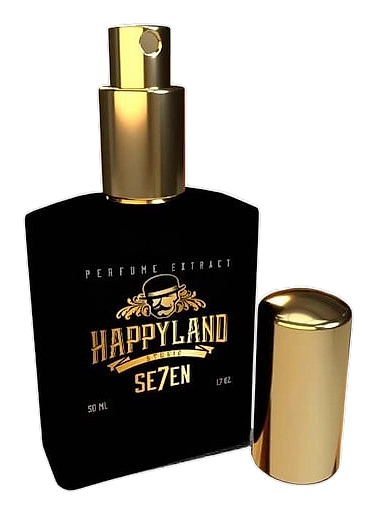
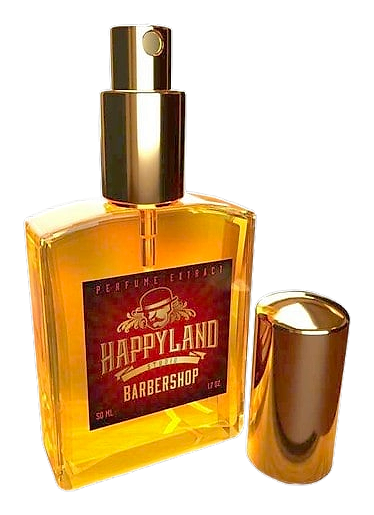
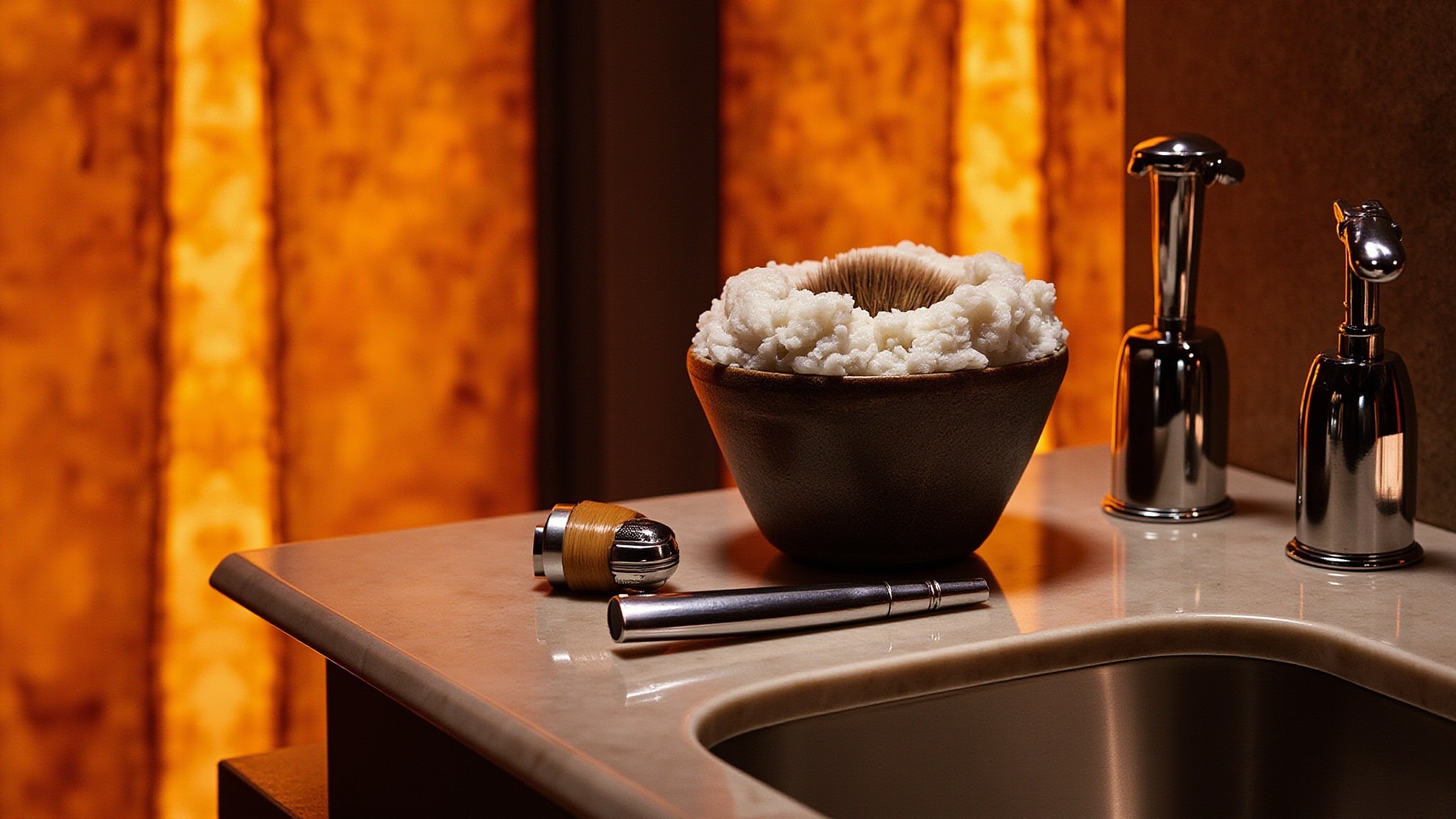
The barbershop is a place, a ritual, and, in fragrance, an entire genre. For E.J. Wells, the barbershop was a touchstone: the smell of wet shaving cream, hot towels, and the particular confidence that comes from sitting in a chair and being put back together. Created in 2019, Barbershop was built as an homage to that era and that feeling, using the classic fougère structure as its skeleton and filling it with materials that carry weight without sentimentality. Wells didn't want a museum piece. He wanted something that smelled like memory and worked like a modern fragrance. The ambroxan was the key. It gave the top the same mineral, slightly salty clarity as a barbershop soap without any sweetness or marine note, just that sharp, clean honesty. Everything else, the leather, the lavender, the bitter orange, built outward from there, toward a scent that functions as a complete barbershop experience in a bottle.
The combination of ambroxan with lavender and leather is not new in perfumery, but how Barbershop distributes them is distinctive. Most barbershop fragrances lead with lavender and let the citrus provide brightness at the top, settling into a clean, soapy drydown that disappears within a few hours. Barbershop inverts this. The ambroxan opens, that mineral barbershop-soap clarity hits first, fast, before the citrus or the lavender arrive. By the time the leather appears, you've already accepted the fragrance as something honest rather than decorative.
The evolution
The opening arrives fast, bitter orange and ambroxan together, that soapy barbershop clarity immediate and unambiguous. Basil adds a brief herbal note before the citrus and soap take over fully. Around the 30-minute mark, leather appears quietly. Not announcing itself. Just present. The black pepper follows, warming the heart without making it spicy in any aggressive sense. Two hours in, the drydown begins. The citrus fades, the pepper settles, and lavender arrives like steam from a hot towel. Oakmoss grounds it in that classic barbershop green. The tonka bean whispers. What stays longest is the musk, clean, close, intimate. Barbershop doesn't project aggressively after the first two to three hours, but it doesn't leave. It lingers near the skin through the rest of the day, present enough that someone close will notice. The next morning, faint lavender on the collar.
Cultural impact
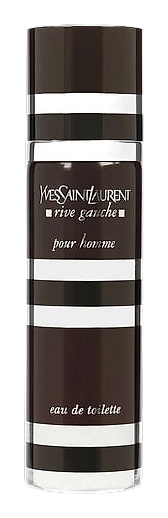
Barbershop occupies a specific and sometimes contested space: the barbershop genre, historically associated with classics like YSL Rive Gauche and Drakkar Noir, has a devoted following and a reputation for leaning nostalgic. Happyland's version threads a narrow gap. It has the clean, soapy character that fans of the genre expect, but the leather and ambroxan give it a different register, less aromatic-fresh, more warm and grounded. Wearers describe it as the kind of fragrance that has character without trying too hard. It has found a following among indie fragrance enthusiasts who appreciate that it doesn't behave like a mass-market barbershop scent, without abandoning the genre's core appeal.