









Heritage
A house, in its own words
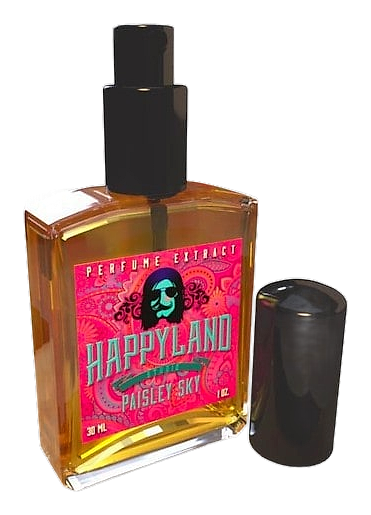
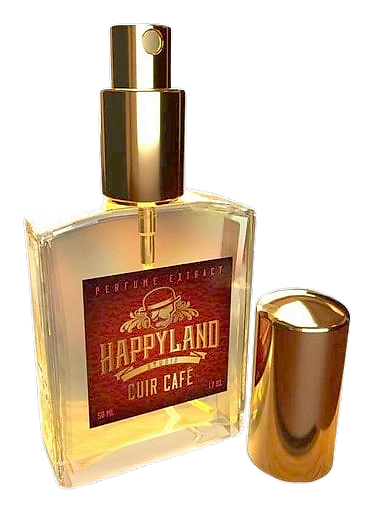
The story of Happyland Fragrances begins with E.J. Wells, a former musician who turned his creative attention to perfumery. Based in Perrysburg, Ohio, Wells founded the house in 2019, entering an fragrance market already crowded with established niche and designer houses. Rather than positioning himself against established players, Wells built Happyland as an independent studio operation, creating fragrances primarily for fellow enthusiasts who enjoy exploring outside mainstream offerings. The brand gained traction through online fragrance communities, where early adopters shared impressions of releases like Happyland Signature and Cuir Cafe. In 2020, Wells released Amberland and Hommeland, expanding the lineup while maintaining the small-batch approach that characterized the studio. Multiple sources in the fragrance community have noted Wells' passing, and in January of the following year, Joel Berg reportedly took over creative direction of the company. Berg, who has spoken publicly about his admiration for Happyland's catalog, has continued releasing fragrances under the Happyland name while honoring the spirit of the house Wells established. The transition from musician to perfumer to new stewardship represents a common arc in artisan fragrance, where creators from other backgrounds bring unconventional perspectives to scent-making. Happyland's heritage is therefore not just about years in operation but about a creative vision that persisted through the loss of its original architect. Happyland approaches perfumery with the mindset of an indie creator rather than a commercial fragrance house. The brand does not appear to follow seasonal release schedules or cater to mass market preferences. Instead, each fragrance seems to emerge from a specific creative impulse, whether inspired by a particular material, a mood, or an unconventional concept. The house name itself suggests something approachable and non-elitist, a departure from the mystical or heritage-forward branding common in niche perfumery. According to community discussions, Wells designed fragrances that balanced familiarity with surprise, using recognizable notes in unexpected combinations. The philosophy appears rooted in creative freedom rather than market research, with each release serving as an expression of the creator's current interests rather than a calculated product line extension. This approach attracts collectors who value authenticity over polish, accepting that artisan fragrances may lack the sillage or longevity of higher-priced commercial counterparts in exchange for distinctive character. The continued operation under new direction suggests a philosophy centered on preserving creative legacy rather than maximizing commercial opportunity.