E.J. Wells
E.J. Wells built Happyland Studio from the ground up, working out of a basement laboratory in Perrysburg, Ohio. Those who knew his work described him as an independent spirit with an ear tuned to music and an eye for fashion long before he ever picked up a perfume bottle. The studio became a quiet obsession, a creative outlet that grew from personal interest into something the Toledo area quietly whispered about. Wells brought a musician's intuition to scent creation, understanding rhythm, timing, and the way a single note can shift everything. His passing left a gap in the indie fragrance community, with fellow creators and admirers remembering him as both a generous friend and a brilliant mind who never sought the spotlight. Happyland Studio was, in many ways, his best-kept secret.
The hits
Notable creations


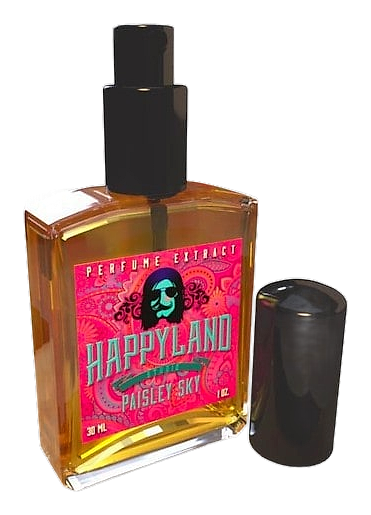
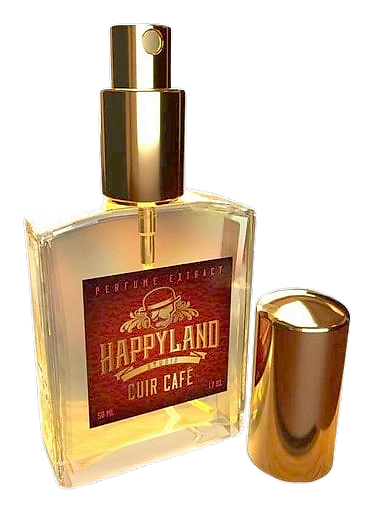







The signature
How E.J. composes
Without formal ties to major fragrance houses, Wells developed his own approach entirely from the ground up. Friends and admirers consistently described his work as distinctive, refusing easy categorization. His Perrysburg lab allowed him to experiment freely, blending ingredients without commercial pressures shaping the outcome. The absence of industry constraints seemed to sharpen his instincts rather than limit them. Those who encountered Happyland Studio fragrances often described them as unexpected, the work of someone who understood what makes a scent memorable precisely because he never tried to be memorable on purpose.
Philosophy
What drives E.J.
Wells approached fragrance the way a songwriter approaches a melody. He believed scent should move people, that a great fragrance carries emotional weight the same way a great song does. Rather than chasing trends or industry approval, he created for the sheer love of it, driven by personal expression and the friendships he built along the way. His philosophy centered on authenticity, on making something true rather than something fashionable. Music and fashion informed his creative process equally, suggesting a man who understood that scent, like all art forms, exists within a broader cultural conversation.
The houses