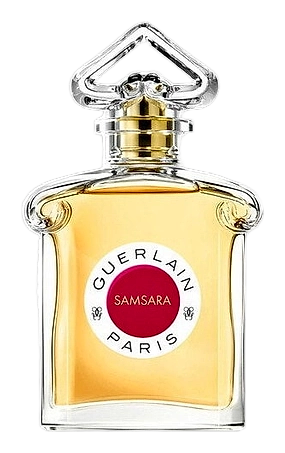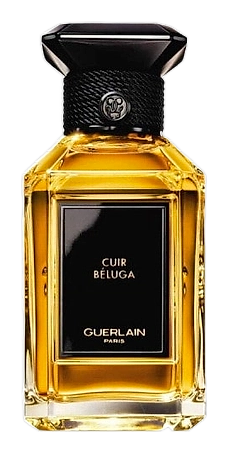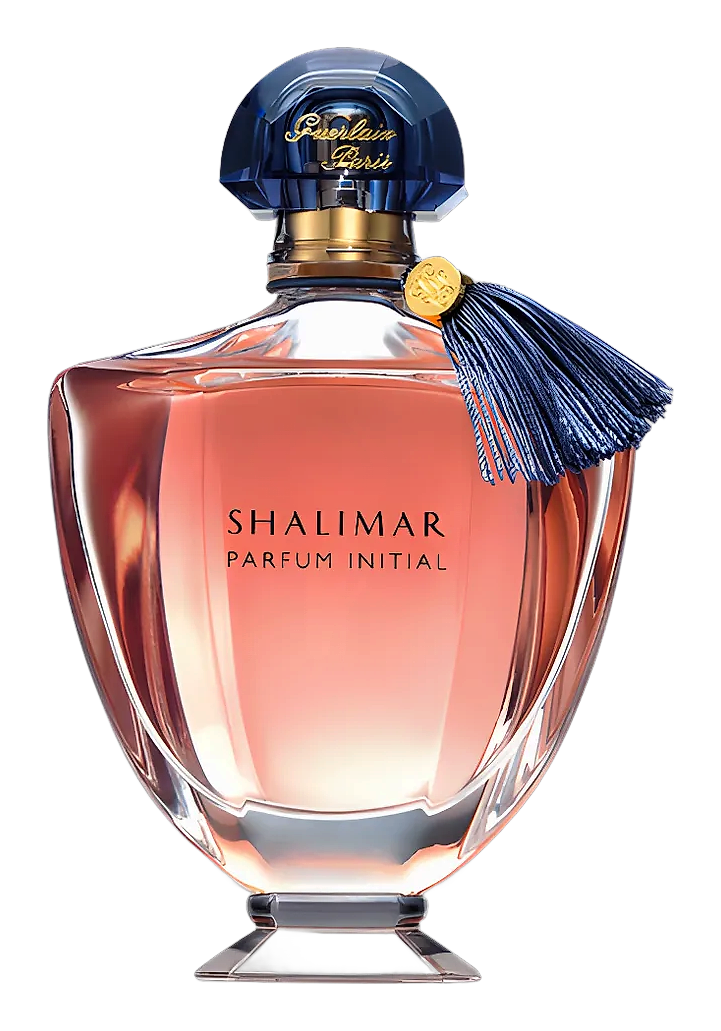
The Story
Why it exists.
The beginning
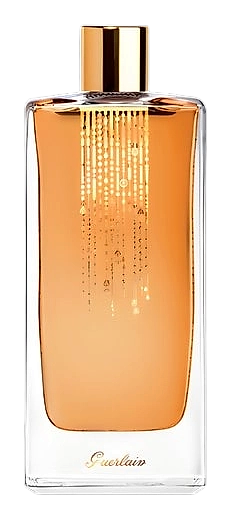
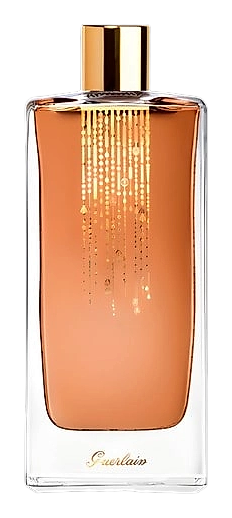
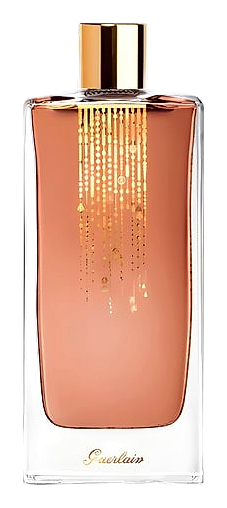
Thierry Wasser created Rose Nacrée du Désert in 2012. The fragrance builds around Persian rose, treating it not as delicate but as an anchor, the legendary blossom of the east given French structure and Middle Eastern heat. The scent captures rose grown in harsh conditions, its resilience translated into a perfume that feels both luxurious and grounded. Wasser shaped this composition to honor the flower's strength, blending Eastern tradition with Western craftsmanship in a way that feels natural rather than forced. The result is a rose that breathes differently, one that carries the weight of its origins without becoming heavy or overwrought.
The composition structure is what makes this interesting. Five heart notes, oud, cedarwood, cardamom, turmeric, interact in layered ways. Cedar and cardamom lift the composition, adding warmth and spice. Turmeric brings a savory-sweet element to the blend. The oud doesn't dominate the heart, it surfaces gradually, woven into the benzoin-myrrh base where resin and gum temper its intensity. The overall effect is opulent but never overwhelming, eastern materials given a refined presentation that feels entirely considered.
The evolution
The opening arrives dewy. Persian rose first, clear, bright, before patchouli and saffron join. The saffron carries a metallic quality, that iron-and-powder signature that some find distinctive. The cedar emerges in the heart, softening the metal into something warmer. Cardamom adds a quiet spice. Turmeric arrives last in the heart, a whisper of earthy heat that adds genuine depth to the scent. The oud is there from the beginning, lending creaminess to the rose, but it's never harsh. It's almost invisible until you realize the whole composition has been anchored by it. As time passes, the benzoin takes over. Sweet, balsamic, warm on skin. Myrrh deepens it, adds a faint medicinal quality that settles into something close and intimate. What lingers: rose petals pressed in an old book, resin dust, warmth that doesn't fade so much as exhale.
Cultural impact
Rose Nacrée du Désert represents an interesting direction for the house. Persian rose and oud feature prominently, materials that carry deep cultural significance in perfumery traditions. The fragrance speaks quietly, for those who already know. It doesn't announce its sophistication but lets it unfold naturally, offering depth for those who take the time to discover it.
The House
GuerlainGuerlain stands as one of the oldest and most revered perfume houses in the world, founded in Paris in 1828 by Pierre-François-Pascal Guerlain. What began as a boutique on rue de Rivoli quickly became the preferred destination for Parisian society, attracting dandies and elegant women who sought custom-crafted fragrances. The house's influence grew to such heights that Guerlain earned the title of Official Perfumer to Napoleon III after presenting Eau de Cologne Impériale to Empress Eugénie as a wedding gift in 1853. This royal patronage marked the beginning of Guerlain's enduring association with European aristocracy, as the house went on to create fragrances for Queen Victoria and Queen Isabella II of Spain. Today, under the creative direction of Thierry Wasser, the fifth-generation perfumer, Guerlain continues to shape the landscape of fine fragrance with a portfolio spanning over 1,100 olfactory creations. The house remains headquartered at its legendary Champs-Élysées mansion, a historic monument that anchors Guerlain's position at the intersection of heritage and contemporary luxury.
The Creator
Thierry WasserWasser gravitates toward green, crispy notes and the bold florals Guerlain is known for. Bulgarian rose appears repeatedly in his work, and he travels annually to oversee the harvest in Kazanlak.