
The Story
Why it exists.
The beginning
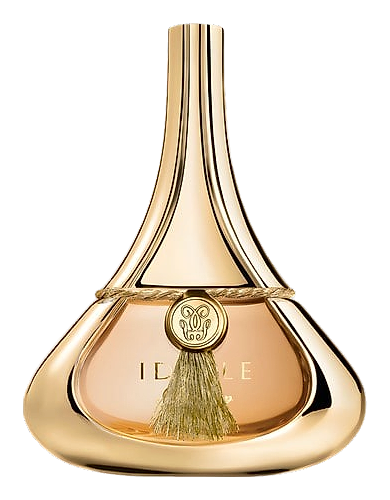
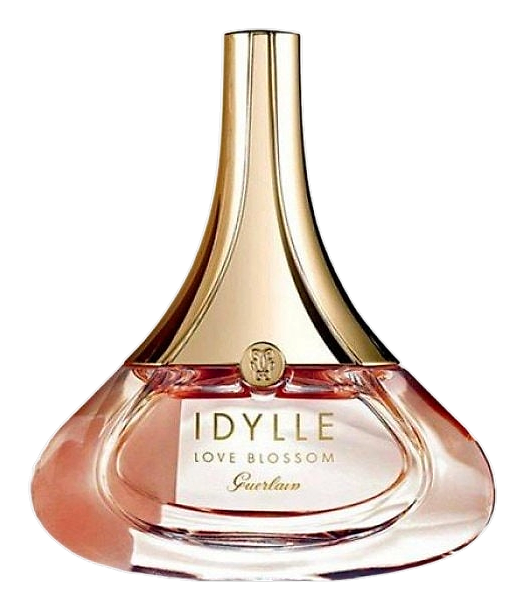
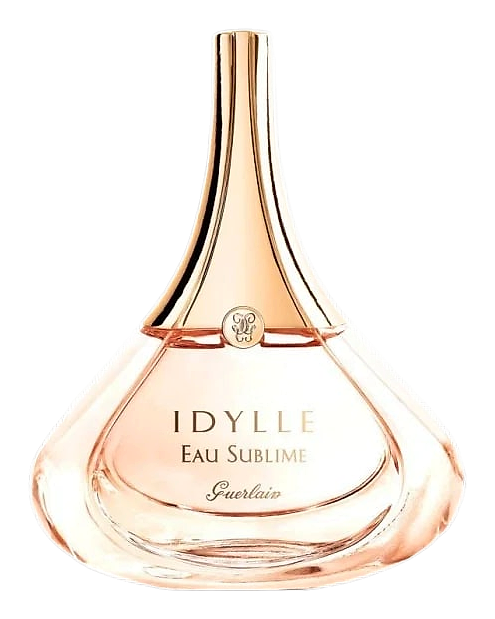
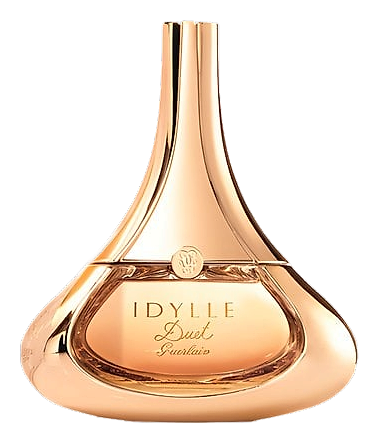
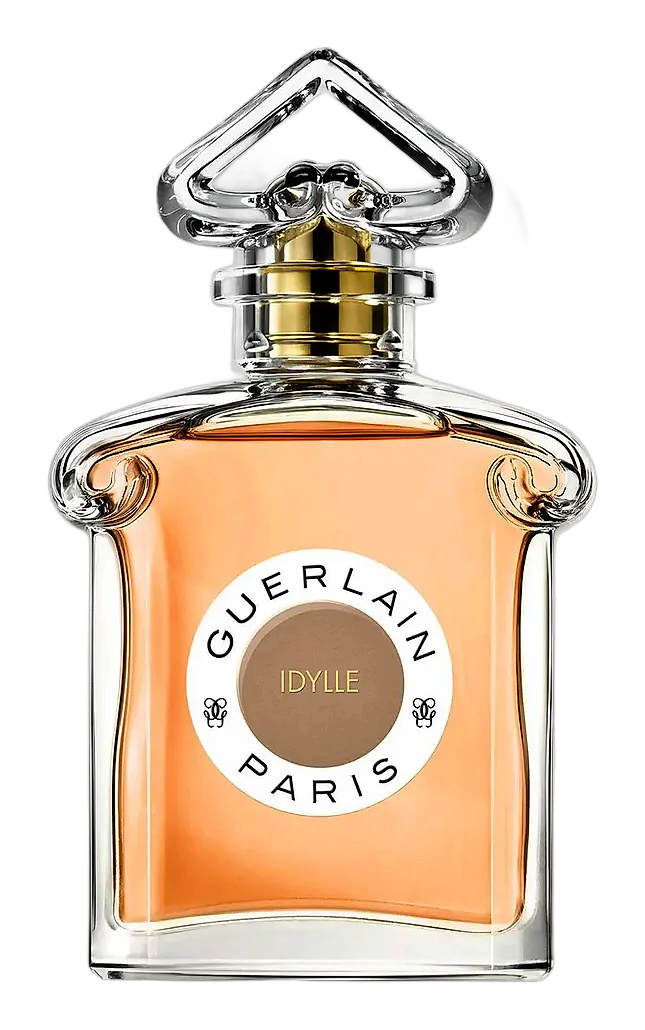
Guerlain released Idylle as part of Les Legendaires, the house's heritage collection, affirming its place among fragrances that have shaped perfumery history. In-house perfumer Thierry Wasser composed the piece around a deliberate idea: a modern celebration of love and tenderness expressed through white florals. The brief was rooted in capturing the quiet intensity of a meaningful moment rather than projecting dominance. Wasser drew on Guerlain's ability to balance familiar beauty with unexpected freshness, building Idylle around notes that feel approachable yet crafted with the house's signature precision.
The note selection reflects a philosophy of restrained elegance: rose appears twice, in the opening for freshness and in the heart for fullness, creating continuity without redundancy. Lychee and raspberry function as an accessible bridge into the florals, giving new-to-perfumery wearers an inviting entry point while the lily of the valley and jasmine provide the depth that experienced noses expect from Guerlain. Patchouli in the base is used sparingly, chosen for its ability to ground rather than dominate, keeping Idylle aligned with the house's tradition of compositions that feel balanced and deliberate.
The evolution
The opening sweeps in with rose and freesia setting a green, slightly dewy tone before lychee and raspberry add a burst of bright, translucent sweetness. This fruity shimmer fades within the first half hour as lily of the valley rises, bringing its characteristic crispness and a sense of spring tenderness. Jasmine and lilac expand the floral space, and peony rounds the heart into something plush and gently romantic. As the hours pass, patchouli introduces a subtle earthy counterweight that prevents the florals from becoming overly sweet, and white musk finishes the arc with a clean, skin-close softness that reads as intimate rather than theatrical.
Cultural impact
Idylle joins Guerlain's Les Légendaires collection as a modern interpretation of the white floral genre. The fragrance occupies a particular space in the Guerlain lineup, offering a restrained alternative to the house's more opulent compositions. It presents the Guerlain approach to florals, where careful calibration of each note prevents any single element from dominating. Wearers describe it as the kind of scent that feels expensive without trying, a composition that succeeds through restraint rather than intensity.
The House
GuerlainGuerlain stands as one of the oldest and most revered perfume houses in the world, founded in Paris in 1828 by Pierre-François-Pascal Guerlain. What began as a boutique on rue de Rivoli quickly became the preferred destination for Parisian society, attracting dandies and elegant women who sought custom-crafted fragrances. The house's influence grew to such heights that Guerlain earned the title of Official Perfumer to Napoleon III after presenting Eau de Cologne Impériale to Empress Eugénie as a wedding gift in 1853. This royal patronage marked the beginning of Guerlain's enduring association with European aristocracy, as the house went on to create fragrances for Queen Victoria and Queen Isabella II of Spain. Today, under the creative direction of Thierry Wasser, the fifth-generation perfumer, Guerlain continues to shape the landscape of fine fragrance with a portfolio spanning over 1,100 olfactory creations. The house remains headquartered at its legendary Champs-Élysées mansion, a historic monument that anchors Guerlain's position at the intersection of heritage and contemporary luxury.
The Creator
Thierry WasserWasser gravitates toward green, crispy notes and the bold florals Guerlain is known for. Bulgarian rose appears repeatedly in his work, and he travels annually to oversee the harvest in Kazanlak.