The Story
Why it exists.
The beginning
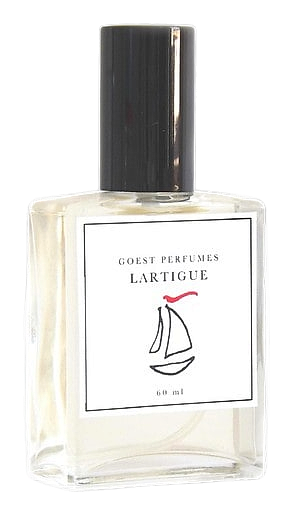
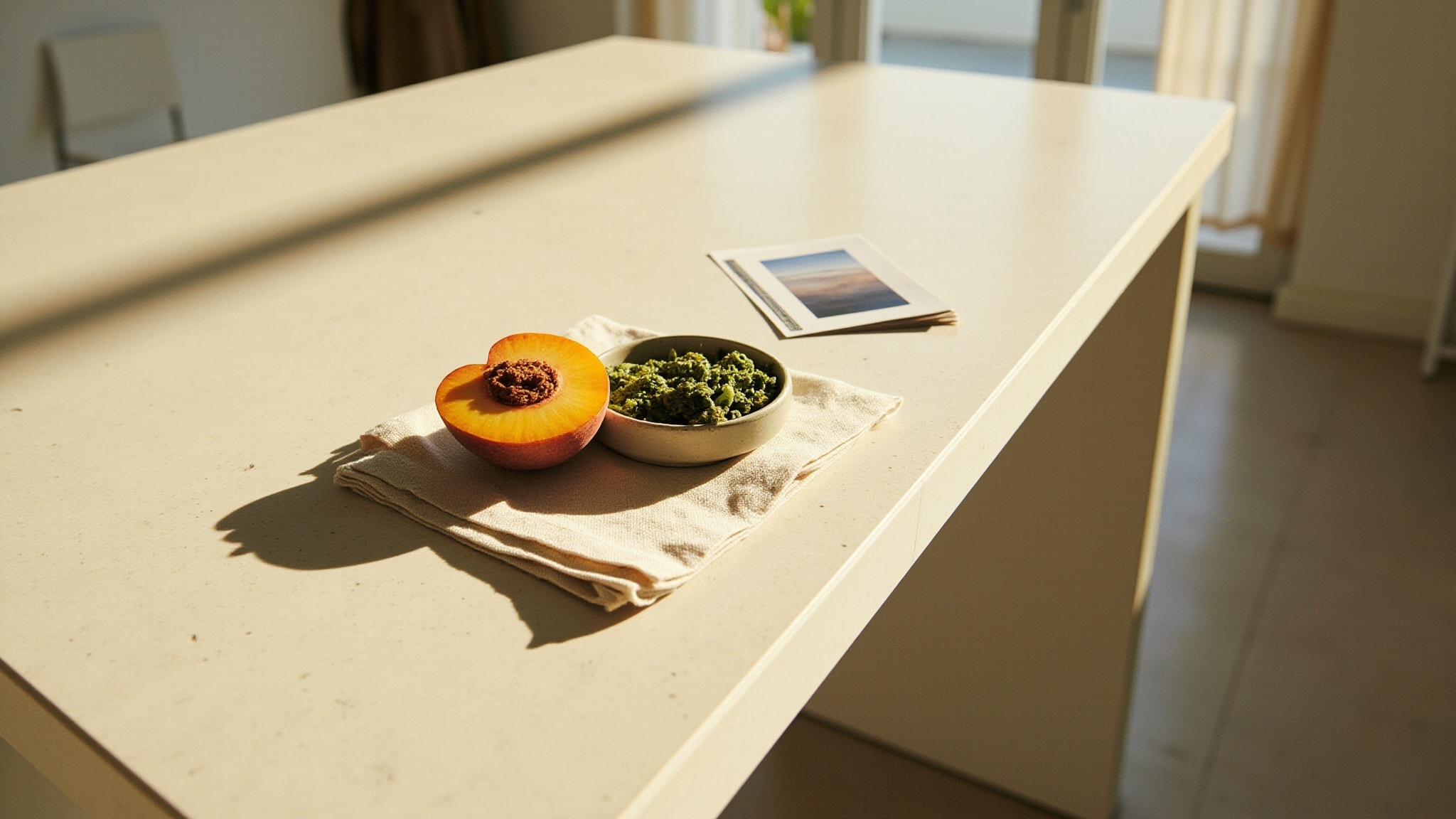
Lartigue takes its name from Jacques Henri Lartigue, the French photographer born in 1894, whose career spanned nearly a century before his death in 1986. Known for capturing fleeting moments with a certain restless grace, he left behind a body of work that feels less like documentation and more like an instinct for the right second to press the shutter. The fragrance bearing his name carries that same sensibility into scent. Perfumer Jacqueline Ella Steele translated the photographer's eye into a composition that opens with a burst of peach and citrus, bright and almost weightless, like sun catching the rim of a glass. Ozone notes lift the top, giving the air around the wrist a cool, electric shimmer that recalls the sharp clarity of early afternoon.
What's interesting is what Steele left out. There's no floral anchor, no sweet base, no resinous warmth to weigh the composition down. Instead, the scent relies on an ozonic, almost mineral facet that most fruity fragrances avoid. That choice gives Lartigue its particular energy. It smells like fruit and air at the same time, suspended between ripeness and evaporation. The green notes in the heart do the same work as Lartigue's snap-shutter moments: they cut the sweetness before it can settle into something pretty. The earthy base keeps the whole thing honest, rooting the brightness in something you can actually hold.
The evolution
The first thirty minutes are all lift. Peach hits bright, almost candied, but it's quickly undercut by citrus and that strange ozonic shimmer that smells more like open sky than any literal marine note. The fruit here never gets jammy. It stays cool, clean, almost exhaled. Around the forty-minute mark the green notes slide in. This is the freshest stretch, the part where you might catch a hint of crushed stem or wet leaf, and it pulls the composition away from simple fruitiness into something more architectural. By the two-hour mark the sun has moved. The ozone thins. What remains is the earthy-woody base, which arrives quietly and then simply stays. It doesn't project much from here, but on a scarf or a collar it lingers until the next morning. Not loud. Just there.
Cultural impact
Lartigue sits within a growing conversation about how visual art and scent can borrow from each other, translating the grammar of one medium into the vocabulary of another. The fragrance borrows its pacing from photography: a quick exposure at the top, a long development in the heart, a final print that holds its tone. Peach and citrus provide the bright, instantaneous flash. The ozone note acts like the cool wash of a darkroom, carrying the brightness forward and stripping away anything that might dull it. Then the green notes settle in like a developed image coming into focus, giving the composition its final contrast and structure.