
Heritage
A house, in its own words
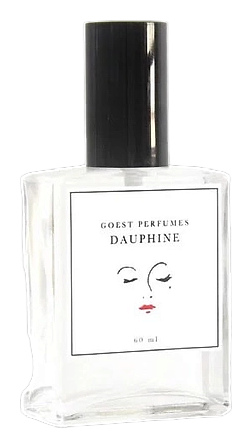
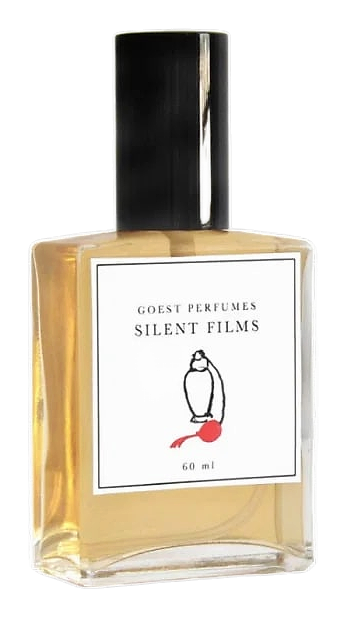
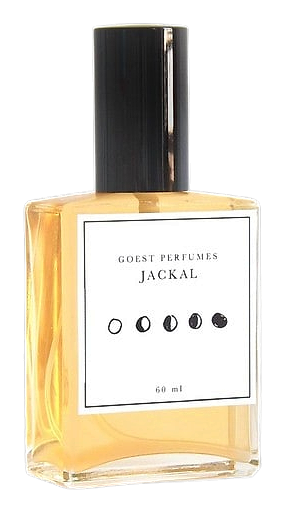
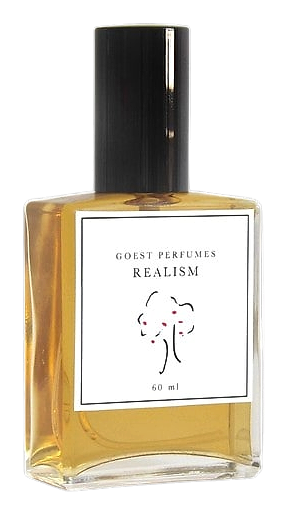
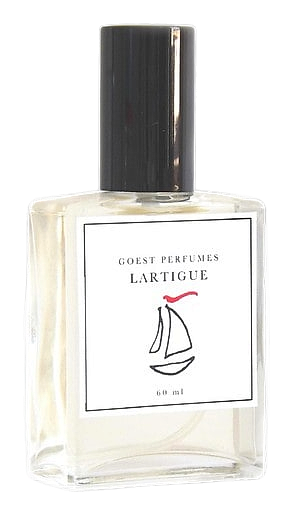
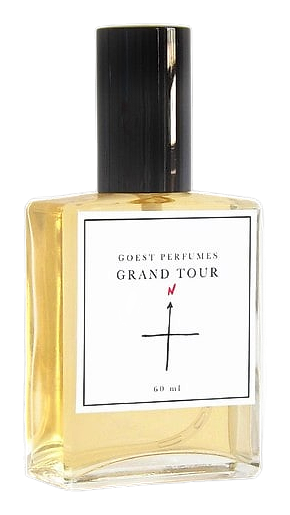
Public records on Goest are sparse, but the earliest verifiable data point is the 2014 release of a seven‑fragrance line that bears the brand’s name. The simultaneous introduction of Dauphine, Silent Films, Grand Tour, Jackal, Lartigue, Smokers' Perfume and Realism suggests that the house was either founded that year or had been developing its portfolio in secrecy before emerging onto the niche market. No founder name appears in widely accessible sources, and the brand’s official channels provide limited biographical detail. In the years following the launch, Goest maintained a discreet distribution model, primarily through select boutique retailers and online specialty platforms. By 2016, the brand had begun offering re‑pressings of its original scents, each limited to a few hundred bottles, a practice common among niche houses seeking to preserve exclusivity while meeting modest demand. A 2018 interview with a European fragrance blogger noted that Goest’s founder prefers anonymity, allowing the olfactory work to remain the focal point. This approach aligns with a broader trend among contemporary niche houses that prioritize artistic integrity over personal branding. In 2020, Goest introduced a refreshed version of Grand Tour, updating the formulation to comply with new EU fragrance regulations while retaining the original character noted by early reviewers. The brand’s response to regulatory changes demonstrates an awareness of industry standards without compromising its creative direction. The limited information available suggests that Goest operates without a large corporate structure, likely relying on small‑scale production facilities and direct relationships with ingredient suppliers. This model mirrors the operational style of several independent perfume houses that emerged in the early 2010s, capitalizing on the growing consumer appetite for artisanal scents. Overall, Goest’s heritage is defined by a single, concentrated launch in 2014, followed by a steady, low‑profile presence that emphasizes limited editions, regulatory compliance, and a deliberate avoidance of mainstream marketing channels. The brand’s story, while not extensively documented, reflects the ethos of a new generation of perfumers who value craft over commerce. Goest’s stated philosophy centers on the idea that a fragrance should act as a personal narrative rather than a mass‑produced commodity. The brand’s early releases each carry a distinct conceptual title—Silent Films evokes the quiet drama of early cinema, while Smokers' Perfume references the ritual of tobacco‑laden contemplation. This naming strategy indicates an intent to anchor each scent in a specific cultural or emotional reference point. The house appears to prioritize authenticity, opting for a restrained public persona that lets the scents themselves generate discussion. In a 2018 blog post, a writer observed that Goest’s founder prefers to remain unnamed, a choice that reinforces the notion that the perfume, not the perfumer, should dominate the conversation. Sustainability also features subtly in Goest’s messaging. While the brand does not publish extensive environmental reports, its limited‑batch production model inherently reduces waste compared to mass‑market approaches. The use of recyclable glass for its bottles, noted by a 2021 unboxing video, aligns with broader industry moves toward greener packaging. Creatively, Goest seems to draw inspiration from historical and artistic motifs, as evidenced by titles such as Lartigue, which references the French photographer and filmmaker. This suggests a multidisciplinary curiosity, where visual arts, film, and literature inform olfactory composition. Overall, Goest’s philosophy can be summed up as a commitment to narrative depth, discreet branding, and modest sustainability, all delivered through carefully curated, limited‑edition fragrances.