
The Story
Why it exists.
The beginning
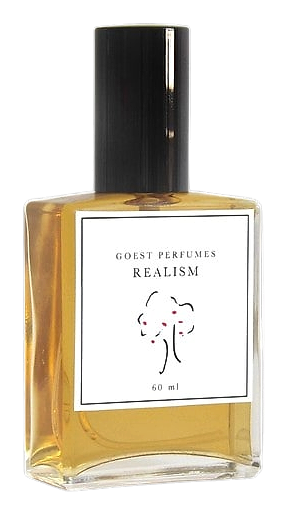
Realism takes its name from the 19th-century art movement that rejected idealized beauty in favor of depicting ordinary life exactly as it appeared. Where other fragrances reach for the romanticized version of nature, the imagined garden, the bottled fantasy, Realism goes for something harder to love and harder to forget: the actual smell of cut grass on a warm afternoon, herbs crushed underfoot, soil and stems and all. Perfumer Jacqueline Ella Steele built this fragrance around an unusual honesty, refusing the usual concessions to wearability that soften most green compositions into something safer and ultimately less interesting. The 2014 launch introduced Realism as part of the Goest collection, a house known for fragrances that treat scent as personal narrative rather than commodity.
The note structure is unusual in its refusal to resolve into something conventionally pleasant. Top notes of grass and herbal notes give an immediate, almost buzzing green, something wilder and more resinous. Solar notes add warmth without sweetness. The heart introduces soil tincture, which sounds peculiar on paper but delivers something essential: the mineral, slightly damp quality of earth after rain. Floral notes in the heart don't soften this so much as bloom within it, blossoms giving off their scent in the heat, not contradicting the green but complicating it.
The evolution
Realism opens bright and buzzy, that instant when you mow the lawn and the heat of the day makes everything smell more itself. Herbs and grass swell together, almost aggressively green, with a warm solar note underneath that prevents it from reading as cold or aquatic. Thirty minutes in, the herbal quality deepens. The soil tincture arrives like a correction, grounding the brightness with something mineral and specific. Flower petals in the heart bloom within this earthiness rather than floating above it, they're part of the field, not a separate composition. The transition to drydown is where Realism earns its name. Hay absolute and cedar take over, and the fragrance shifts from 'freshly cut' to 'the afternoon after', drier, warmer, with the particular sweetness of hay that hasn't been sweetened into vanilla. Cedar lingers longest, close to the skin, carrying the whole thing into evening.
Cultural impact
Realism arrived in 2014 as part of Goest's founding collection, offering a green fragrance that smelled like the actual outdoors rather than a curated version of nature. Rather than pursuing the sweet, softened compositions common in niche fragrance, Realism leaned into sensory authenticity, capturing grass, herbs, and earth in a way that felt true to the experience rather than an idealized interpretation. This approach gave wearers something uncompromising: the genuine scent of cut grass warmed by afternoon sun, crushed herbs releasing their oils, the mineral quality of soil after rain.