The Story
Why it exists.
The beginning
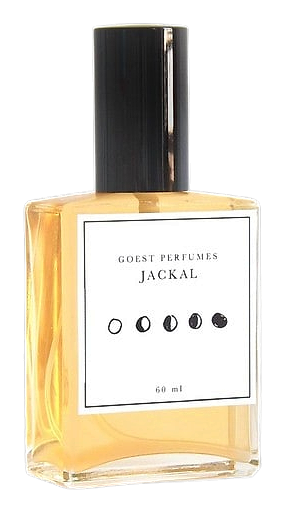
The name came first. Jackal, not lion, not wolf. The survivor. The scavenger with a keen nose in the dark. The name carries a particular kind of confidence: not the roar, but the steady gaze. Chocolate and vanilla could have gone full gourmand. The perfumer made a different call. The sweetness was tempered with smoke and patchouli, and the composition argued with itself until it found balance. The result doesn't smell like what you expect. It smells like what you chose.
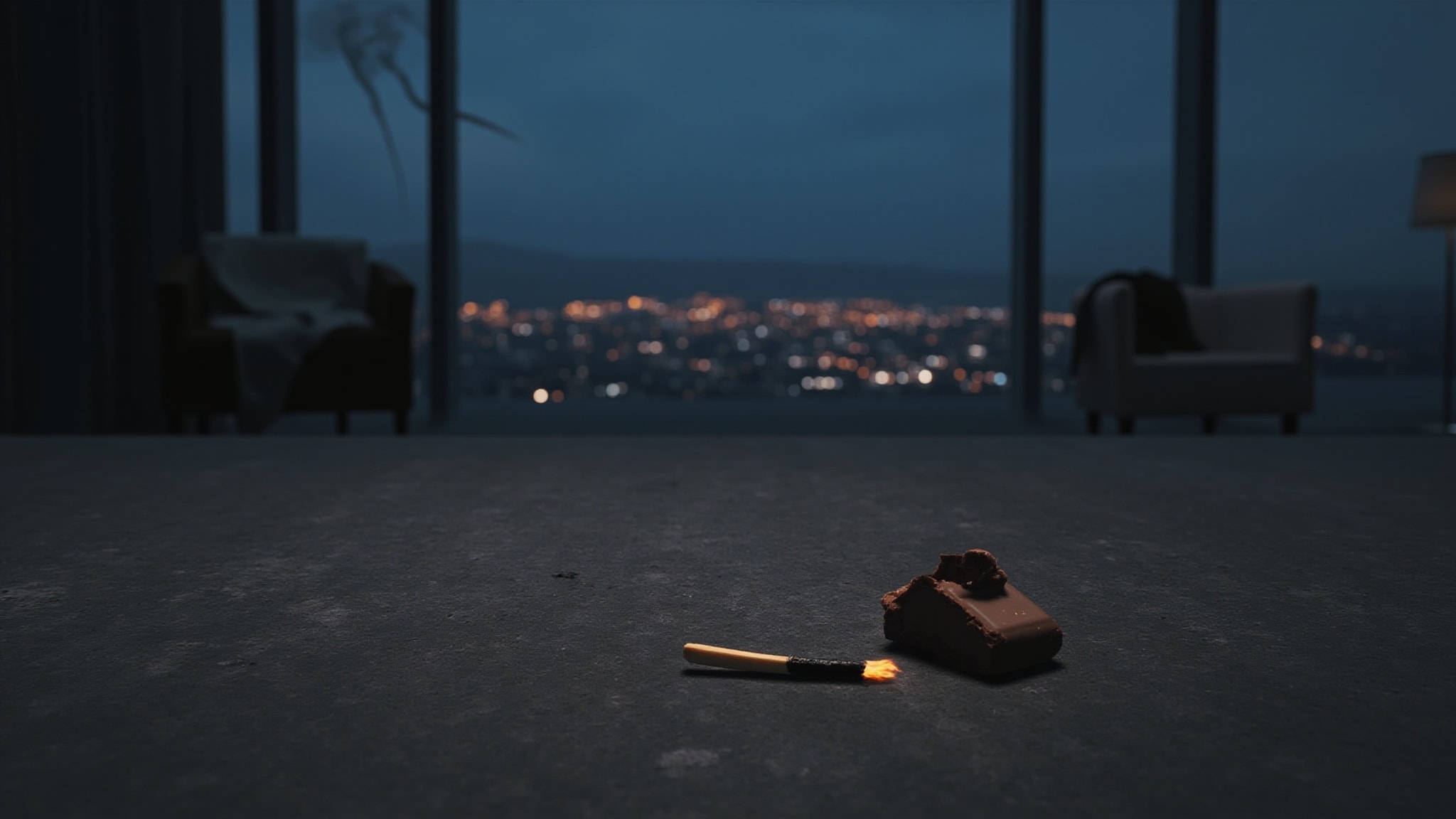
What makes this structure unusual is the dryness. Powdered chocolate, not melted, not liquid, opens the fragrance without any of the syrupy sweetness that usually comes with edible accords. The vanilla underneath acts as warmth, not sugar. Patchouli and smoke pull the composition toward mineral and earth, giving the whole thing a grounded, tactile quality. The smoke isn't metaphorical. It's literal fireplace smoke, the kind that means something was burning. That directness is the anti-perfume ethos in action, no abstraction, no softening. Just materials doing exactly what they do.
The evolution
The opening hits dry. Powdered chocolate, vanilla in the background, not a dessert, more like the smell of a room where something sweet was. Within minutes the smoke arrives, uninvited and certain. Patchouli takes over the next couple of hours, dark and mineral, pushing the vanilla and chocolate deeper into the skin until they're felt rather than smelled. The drydown lasts. Vanilla and tobacco settle into warm wood, and the patchouli refuses to leave. On fabric, the chocolate persists into the next day, faded, but present, like a trace you don't mind keeping.
Cultural impact
Jackal lives in the overlap between edible and atmospheric, a niche fragrance that earns its sweetness rather than leading with it. Its austerity sets it apart from more conventional offerings. The composition appeals to the wearer looking for something beyond the expected.