
The Story
Why it exists.
The beginning
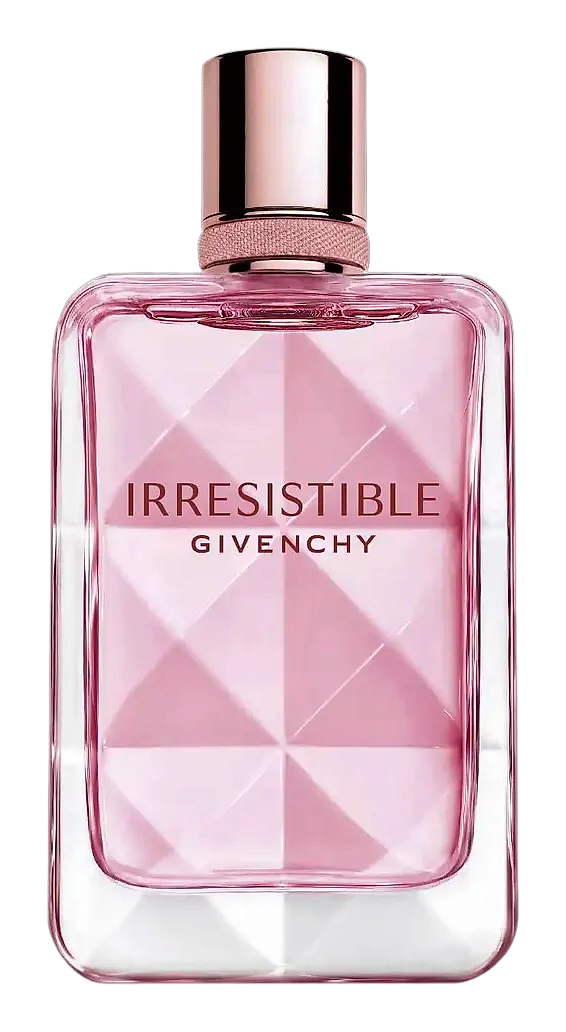
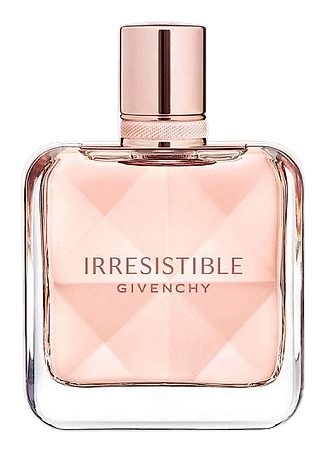
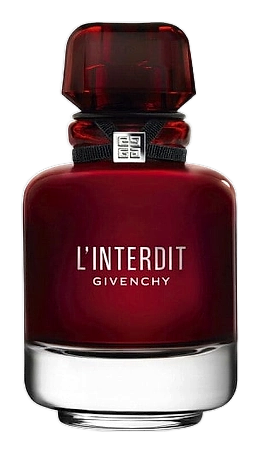
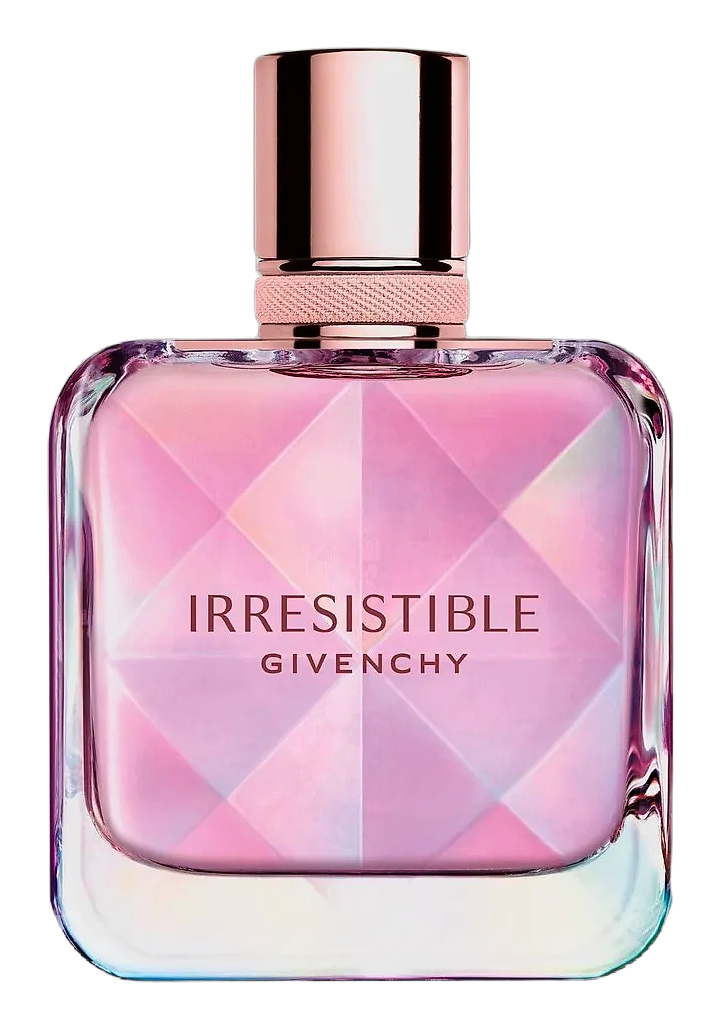
Givenchy, founded in Paris in 1952 by the 25-year-old Hubert de Givenchy, translated his couture vision into fragrance. L'Interdit, created for Audrey Hepburn, became the first Givenchy scent. Anne Flipo, tasked with evolving the house's signature, reaches into the same creative territory with Irrésistible Nectar, treating the fragrance as an olfactory extension of Givenchy's modern feminine ideal: luminous, assertive, and unapologetically desirous.
Anne Flipo designed this fragrance with the Givenchy woman's evolving desires in mind. The opening captures her vitality and her willingness to be seen, to shine. The heart reveals her complexity, her refusal to be reduced to a single note. The drydown, with its cream and vanilla, speaks to a warmth she offers on her own terms. The inclusion of oud and incense grounds the sweetness in something ancient and grounded, while pistachio introduces an unexpected nuttiness that makes the fragrance feel original rather than derivative.
The evolution
The arc of Irrésistible Nectar mirrors the evolution of desire itself. It begins with the effervescent, almost giddy energy of pear and bergamot, bright, immediate, alive. As the minutes pass, this brightness deepens into something more complex, more textured, more demanding of attention. The rose and oud heart is where the fragrance becomes serious, where the rebellious streak Givenchy is known for asserts itself. Incense adds a spiritual dimension, a hint of smoke from a distant altar or a candlelit room. The drydown is the resolution: warm, creamy, slightly sweet, and utterly satisfying. Pistachio and vanilla create a gourmand softness that makes the final hours feel like coming home.
Cultural impact
Irrésistible Nectar joins the Irresistible line at a moment when gourmand fragrances have returned to center stage, but with more nuance than their early-2000s predecessors. This one sits closer to the skin than its bolder siblings, making it appropriate for contexts where the original Irresistible might have read too loudly. The 2025 launch places it in a market that has embraced softer, more intimate sillage after years of projection-obsessed compositions.