
The Story
Why it exists.
The beginning
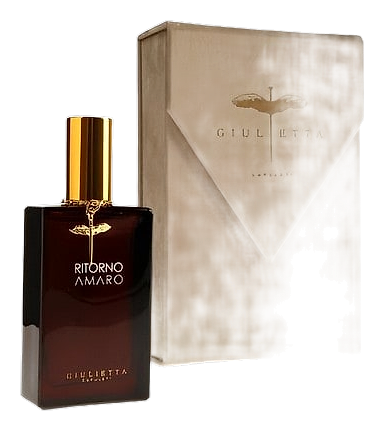
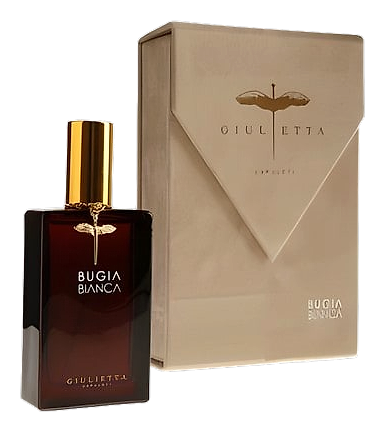
Bugia Bianca means 'white lie' in Italian, a name borrowed from Giulietta Capuleti, the Italian spelling of Juliet Capulet. The brand, founded in Verona by Brunhilde Mara De Guidi, frames each fragrance as a short literary narrative. This one asks: what happens when the thing you say isn't quite true, but the way you say it makes you mean it anyway? The composition answers by opening with something crisp and believable, bergamot, galbanum, tangerine, then quietly revealing warmth underneath. Mint, tropical fruit, fig, coconut. A green cover story that gradually becomes sincere. The 2014 launch placed Bugia Bianca alongside Ritorno Amaro and Ballo in Maschera, expanding the house's range from bitter herbalism into fruitier, more approachable territory. Same literary sensibility, different emotional register.
The structure is what makes Bugia Bianca work: a sharp, almost medicinal opening that cools and convinces, followed by a tropical heart that feels sunlit rather than heavy. Mint and vetiver keep the sweetness honest, fig and coconut are present but never reach cloying. The real move is the base. Cognac and tobacco arrive together, not as an afterthought but as a correction. Everything that came before was the setup. The drydown is where the fragrance stops pretending and starts meaning it. Patchouli anchors the whole thing, keeping the warmth grounded rather than airily abstract.
The evolution
The opening announces itself quickly: citrus, galbanum, a green bite that reads as fresh rather than sharp. Tangerine and pink pepper add a slight sparkle, artemisia an herbacious undertone that grounds the brightness. The first thirty minutes feel like a cool morning, convincing, clean, slightly distant. Around the thirty-minute mark, mint arrives and the temperature shifts. Passion fruit and coconut soften the edges. Fig adds body without sweetness. Jasmine and rose appear in the background, subtle and balancing. The green accord that opened the fragrance doesn't disappear, it becomes part of the landscape rather than the headline. By hour two, cognac and tobacco assert themselves. Warmth without drama. Patchouli underneath, amber above. The tropical sweetness has settled. What lingers is the sense that the opening was a prologue, and the real story started without announcement. On fabric, the cognac note persists into the evening. On skin, it fades closer and warmer, intimate rather than projected.
Cultural impact
Giulietta Capuleti emerged from Florence's indie perfume renaissance, challenging conventions of what Italian perfumery could offer beyond heritage brands. Bugia Bianca represents a deliberate departure from mass-appealing florals dominating the market at its launch, instead embracing a green-citrus direction that resonated with collectors seeking individuality. The brand's aesthetic, inspired by Renaissance portraiture and Tuscan landscapes, struck a chord with a generation of fragrance enthusiasts drawn to storytelling through scent. Its limited distribution strategy fostered an air of exclusivity that deepened its cult following among those who value discovery over ubiquity.