

The Heritage
The Story of Giulietta Capuleti
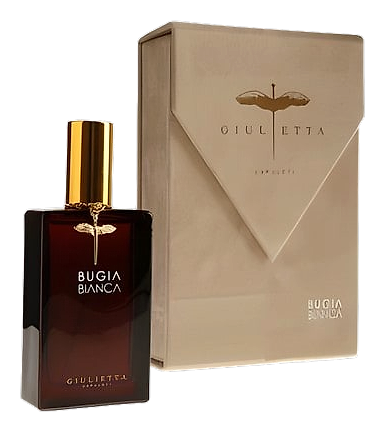
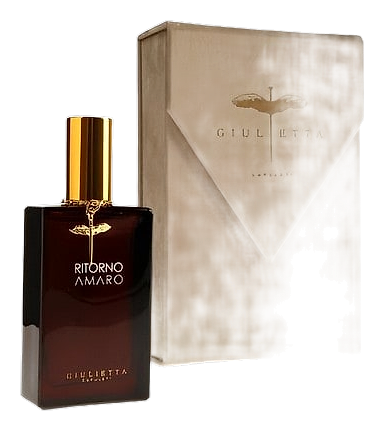
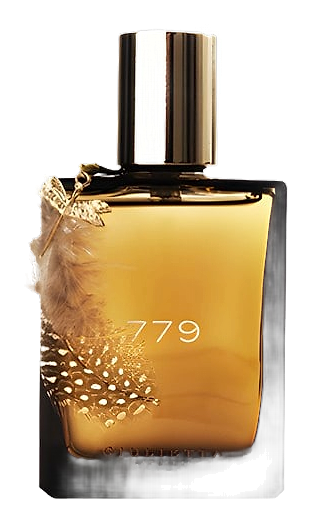
Giulietta Capuleti is an Italian niche fragrance house that translates the drama of Shakespeare’s tragic heroine into scent. Founded in Verona by Brunhilde Mara De Guidi, the brand positions each perfume as a short story, often set against a backdrop of Italian culture or personal memory. Its catalogue, which began appearing in the early 2010s, includes Ritorno Amaro (2014), Soul Drops (2011), Bugia Bianca (2014), 779 (2015) and Ballo in Maschera (2014). The house works with independent perfumers and emphasizes small‑batch production, allowing it to experiment with unconventional accords while keeping a clear narrative focus. Giulietta Capuleti’s offerings are sold through a curated network of boutique retailers and the Silloria platform, where collectors can explore the brand’s distinctive olfactory chapters.
Heritage
The story of Giulietta Capuleti begins in Verona, a city long associated with romance and theatrical tradition. According to the brand’s profile on Fragrantica, Brunhilde Mara De Guidi launched the house after years of involvement in the local perfume trade, seeking a way to blend literary inspiration with scent creation. The name itself is the Italian spelling of Juliet Capulet, a direct nod to the Shakespearean figure whose love story unfolds in the same city. Early releases such as Soul Drops (2011) and Ritorno Amaro (2014) established a reputation for narrative‑driven compositions that reference both personal memory and broader cultural motifs. By 2015 the line had expanded to include 779, a fragrance that experiments with metallic and mineral notes, and Ballo in Maschera, a scent that evokes the atmosphere of a masked carnival. Throughout its first decade the brand maintained a low‑profile distribution model, favoring specialist boutiques and online platforms that cater to fragrance enthusiasts. While the house has not pursued mainstream advertising, it has attracted attention in niche perfume circles for its willingness to explore atypical ingredient pairings and for the literary framing that accompanies each launch. The brand’s evolution reflects a broader trend in Italian niche perfumery, where small ateliers prioritize artistic expression over mass‑market appeal. Today Giulietta Capuleti continues to release limited editions, often accompanied by short essays that explain the narrative inspiration behind each bottle, reinforcing the founder’s original intent to treat perfume as a storytelling medium.
Craftsmanship
Production for Giulietta Capuleti takes place in a modest studio in Verona, where small batches are mixed by hand. According to the brand’s description on Fragrantica, the house works with independent perfumers who develop the core accords before handing the formula to the in‑house team for final blending. Ingredients are sourced from European growers whenever possible; citrus oils come from Sicily, while herbal extracts are obtained from the Marche region. The brand reportedly avoids mass‑production techniques, preferring traditional maceration and aging processes that allow the fragrance to evolve over weeks or months. Quality control involves sensory evaluation by the founder and a small panel of trusted testers, ensuring that each release meets the intended narrative profile. Bottles are filled using semi‑automatic equipment that maintains consistency while preserving the handcrafted ethos. The company also emphasizes minimal waste, reusing excess materials in subsequent batches or donating them to local artisans. While detailed third‑party audits are not publicly available, the brand’s consistent presence in niche fragrance forums suggests that its production methods meet the expectations of discerning collectors.
Design Language
Visually, Giulietta Capuleti adopts a restrained, literary aesthetic. Bottles typically feature clear or amber glass with simple, matte caps, allowing the perfume’s colour to become the focal point. Labels are printed in a classic serif typeface, often accompanied by a short excerpt or a line of poetry that reflects the scent’s theme. The packaging design avoids excessive ornamentation, instead relying on subtle embossing or foil stamping to convey a sense of quiet elegance. Marketing imagery frequently includes black‑and‑white photographs of Verona’s historic streets, reinforcing the brand’s connection to its hometown. The overall visual language aligns with the house’s narrative‑driven philosophy, presenting each fragrance as a tangible story rather than a purely decorative object. This minimalist approach has been noted by independent reviewers, who appreciate the way the design lets the scent speak for itself without competing visual clutter.
Philosophy
Giulietta Capuleti frames perfume as a narrative device rather than a mere accessory. The founder’s public statements, as recorded in interviews cited by fragrance blogs, emphasize a belief that scent can capture a moment, a feeling or a fragment of literature. Each fragrance is presented with a short story or a poetic description that guides the wearer toward a specific emotional landscape. The brand values authenticity, opting for ingredients that convey a sense of place – for example, the use of Italian citrus or Tuscan herbs in certain compositions. Sustainability is mentioned in the brand’s brief online notes, indicating a preference for responsibly sourced raw materials and recyclable packaging, though detailed certifications are not publicly listed. Collaboration with independent perfumers allows the house to remain flexible, adapting to new ideas without the constraints of a large corporate R&D department. This approach aligns with a broader niche philosophy that prizes artistic freedom and personal connection over commercial scale. The house also encourages collectors to view each bottle as a chapter in a larger olfactory library, inviting them to build personal narratives through scent.
Key Milestones
2011
Soul Drops launched, marking the brand’s first public release.
2014
Ritorno Amaro and Bugia Bianca released, expanding the line with contrasting aromatic profiles.
2014
Ballo in Maschera introduced, inspired by the tradition of masked festivals in Italy.
2015
779 released, featuring metallic and mineral notes that pushed the brand’s experimental edge.
2020
The house celebrated its tenth anniversary with a limited‑edition re‑release of select early fragrances.
At a Glance
Brand profile snapshot
Origin
Italy
Collection
1
Fragrances released
Avg Rating
4.4
Community sentiment
Release Rhythm


