
The Story
Why it exists.
The beginning
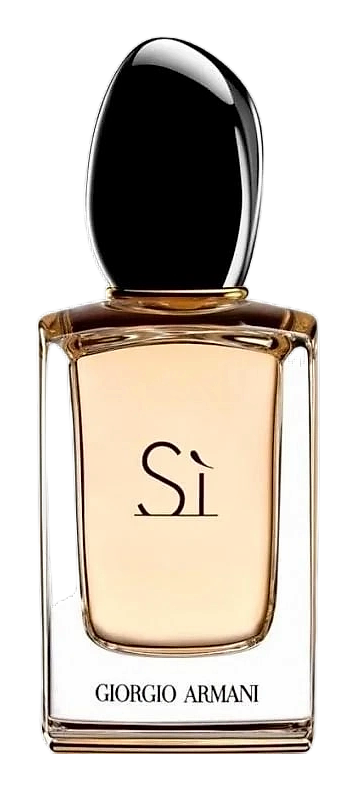
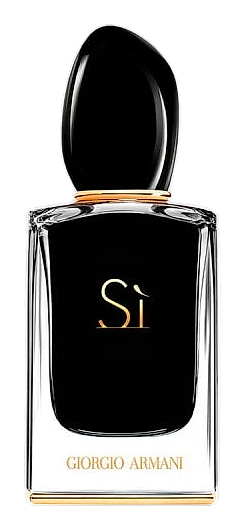
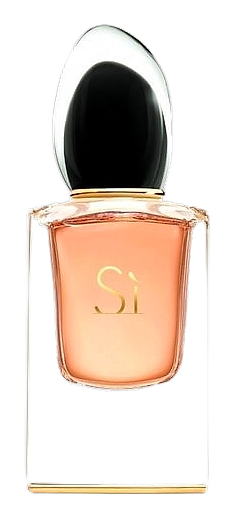
The Sì line began as a declaration, a fragrance that means yes, to everything. By 2016, Armani's perfumers Julie Massé and Christine Nagel had been working within the house's philosophy of refined simplicity for years. The Parfum concentration was their answer to a specific problem: how do you intensify without cluttering? The answer lived in the frankincense. Smoke as structure. Resin as longevity. Sweetness as the thing that makes people lean in.
Most fruity-florals open bright and fade soft. Si Le Parfum flips that. The blackcurrant arrives quick and tart, but the osmanthus absolute is the invisible architect, apricot skin and suede leather sitting beneath the florals, bridging the berry brightness to the smoky base. It's what makes the heart feel seamless rather than layered. The labdanum (listed as cistus absolute on enthusiasts) reinforces the smoke architecture, giving the drydown a resinous warmth that outlasts most competitors in the same price bracket.
The evolution
The opening hits crisp, blackcurrant and bergamot cold together for the first ten minutes. Then the florals arrive: jasmine absolute blooms warm, osmanthus adds its apricot-leather depth, and the frankincense begins its slow rise. By the second hour, the smoke is undeniable. Benzoin and vanilla take over the drydown, but the patchouli keeps everything grounded, not dark, just present. The final hours belong to the labdanum and amber, a resinous warmth that stays close to skin but refuses to disappear. Eight to ten hours on most. Some report twelve.
Cultural impact
Si Le Parfum arrived in 2016 as Armani's statement on modern femininity, extending the successful Sì line into richer, smokier territory. The blackcurrant-forward opening capitalized on the fruit's rise in prestige perfumery, while the resin base aligned with a broader industry shift toward warm, smoky accords. This fragrance occupies a specific niche: luxurious enough for evening wear, grounded enough for professional settings, and distinct enough to function as a signature scent. Its cultural weight comes from refusing to choose between sweetness and smoke, attracting wearers who want complexity without darkness.