The Story
Why it exists.
The beginning
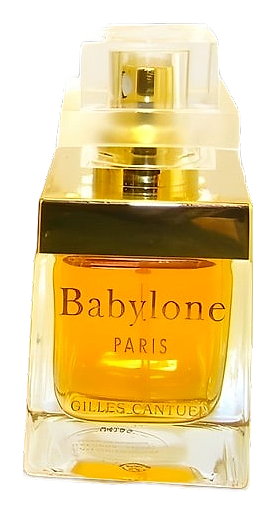
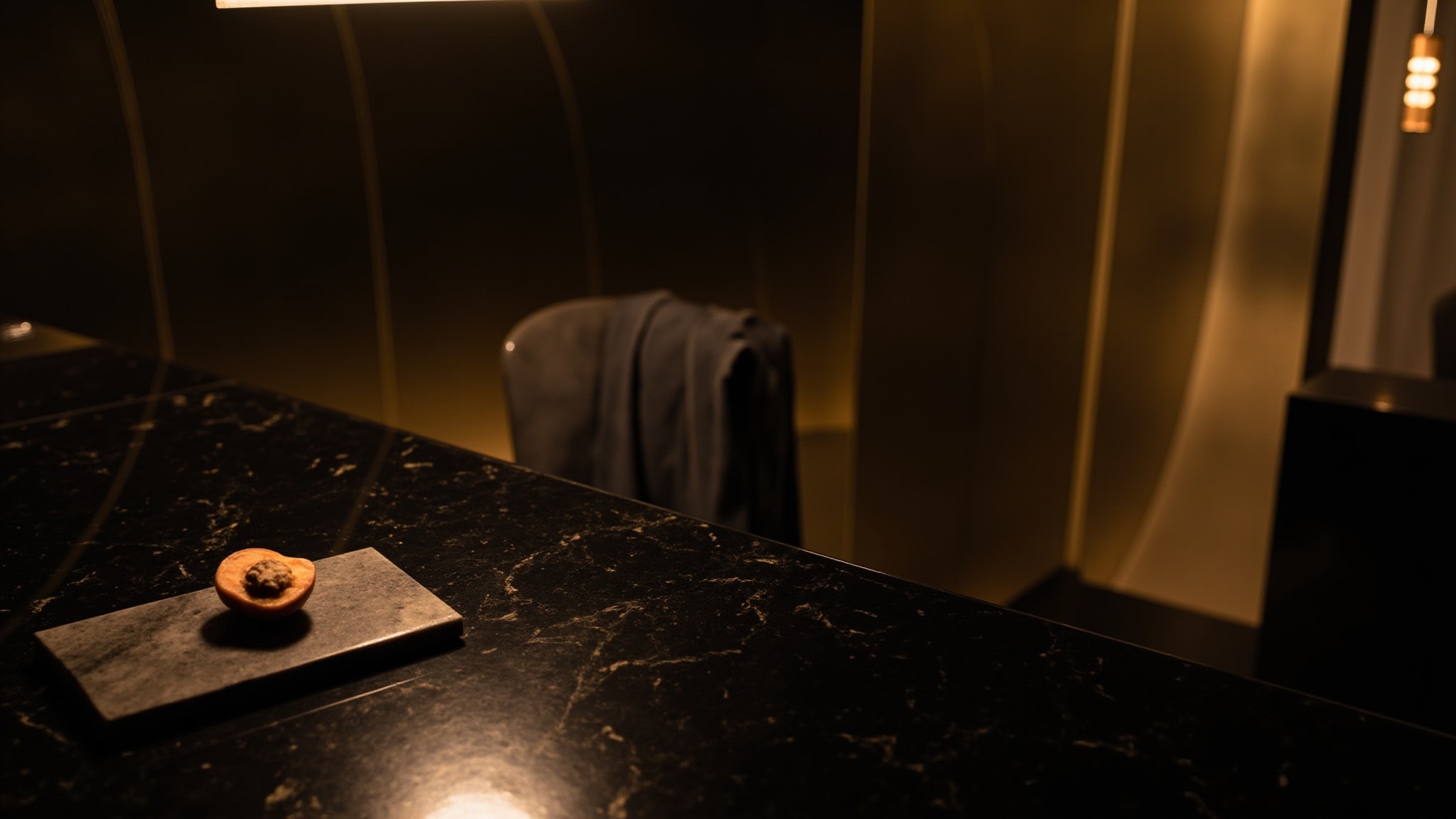
Babylone arrived in 1999, a women's oriental floral from the catalog of Gilles Cantuel, a name that runs through more fragrances than the credits usually acknowledge. Cantuel works in a register that resists headlines, leaning instead into compositions that reward patience over spectacle. Babylone sits comfortably in that approach. What comes out of the bottle first is sweetness with a soft spine. Apricot rounds into the florals, and the apricot does most of the talking in those opening sprays, fleshy and warm rather than bright or candied. The florals support that weight, building a plush cushion that keeps the fruit from sliding into sharpness.
What makes Babylone interesting isn't any single note. It's the architecture. Apricot, a fruit often used as a fleeting top note, here sits closer to the heart, softening into the florals instead of vanishing. The oriental accord underneath does the heavy lifting: ambered, resinous warmth that gives the sweetness something to lean against. Most late-90s orientals either went full dessert or full incense. Babylone threads the middle: edible enough to feel generous, dry enough to feel composed. The musk in the base isn't white musk's clean cotton. It's something warmer, almost skin-warm, which means the fragrance doesn't just sit on you. It settles into you.
The evolution
The opening minutes of Babylone are the brightest the fragrance ever gets. Apricot blooms first, rounded and full, joined by florals that carry a soft, creamy lift from the start. The sweetness feels edible without tipping into anything sugary or syrupy; it reads more like ripe fruit held just under the nose than like a confection. Beneath that fruit-and-floral surface, the spicy notes begin to warm quickly, settling into the composition as a general glow rather than a specific seasoning. Vanilla is there too, in these earliest sprays, smoothing the edges between the fruit and the spices and giving the whole opening a plush, almost tactile softness. As wear continues, the apricot gradually loses its sharpness.
Cultural impact
Babylone occupies a particular place among oriental florals, compositions built from sweet fruits, warm spices, florals, and ambered bases that lean into evening territory rather than daytime freshness. It's the kind of fragrance designed for the second half of the day, for heavier fabrics, for occasions where warmth is welcome and projection doesn't need to shout. Wearers tend to describe Babylone as a personal scent rather than a statement one. There's no sharp sillage moment, no instant recognition cloud that announces the wearer across a room.