The Story
Why it exists.
The beginning
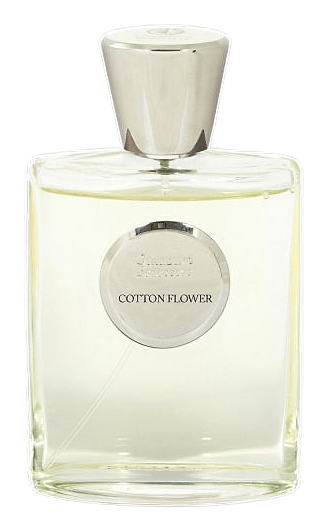
Paolo Terenzi approached Cotton Flower with the Giardino Benessere conviction that a fragrance should be lived, not merely worn. Released in 2015, it entered a collection built on the idea that perfume could function as a form of wellness therapy, something that accompanies the breath and invites presence. The name suggests lightness, but Terenzi built something with more intention beneath it. The contradiction became the point: florals that don't apologize for their warmth, a scent that earns its softness through depth rather than disappearing into it.
The structure pulls in two directions at once. Gardenia and rose sit at the top, delicate and familiar, while cloves anchor the heart, spice that could easily overwhelm in lesser hands. Terenzi lets them coexist. The patchouli in the base isn't earthy in the damp sense; it's warm, almost resinous, softened by tonka bean and grounded by oak. This is powdery in the way cashmere is powdery: textured, present, comfortable with itself. The result is a floral that refuses to be fragile, a warmth that doesn't need to announce itself to be felt.
The evolution
The opening arrives soft, gardenia's creaminess meets bergamot's brief citrus lift, then rose enters without ceremony. It doesn't announce itself. The first thirty minutes are about florals settling into skin, finding their position. Then the cloves begin their slow build, threading through the jasmine and peony like a warm pulse underneath. The transition isn't dramatic. It's the feeling of a room that slowly fills with afternoon light, gradual, inevitable. By hour two, the drydown has taken over. Patchouli and tonka create a powdery warmth that clings close, intimate rather than projected. Oak keeps it grounded, stopping the warmth from floating away entirely. At hour six, there's still something there, soft, warm, like the memory of a gesture rather than the gesture itself. On fabric, it lingers until the next morning.
Cultural impact
Cotton Flower occupies an interesting space in the niche floral market, it has the warmth and longevity to appeal to those who typically avoid florals, while the florals keep it from becoming just another warm spicy. Community reviews suggest it performs best in cooler seasons despite its name, with the cloves and patchouli giving it year-round versatility for those who appreciate powdery warmth over bright freshness. It's the kind of fragrance that invites conversation about what florals can be when they refuse to stay delicate.