The Story
Why it exists.
The beginning
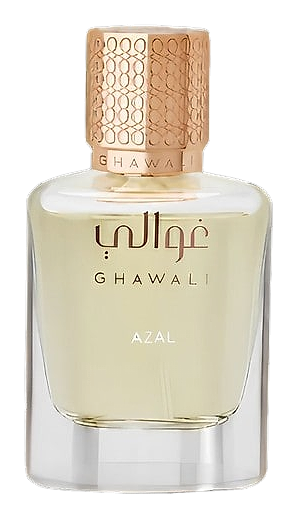
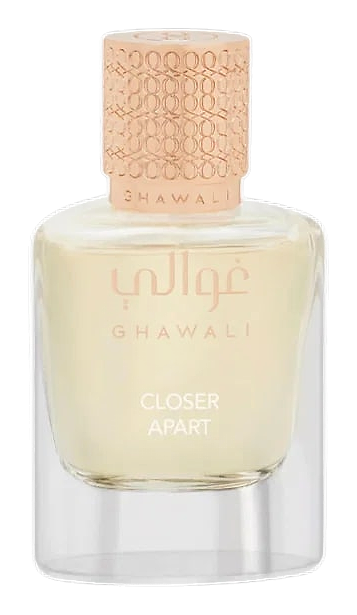
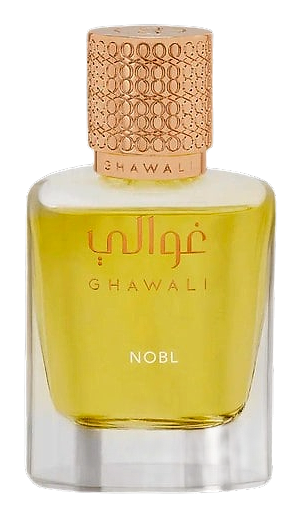
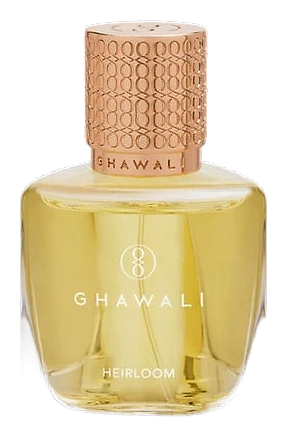
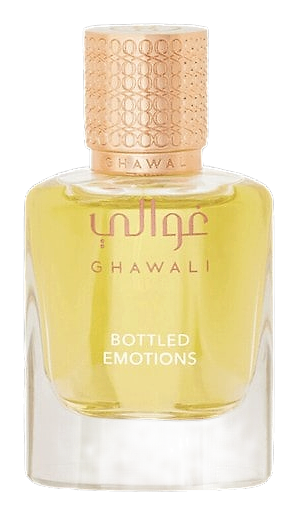
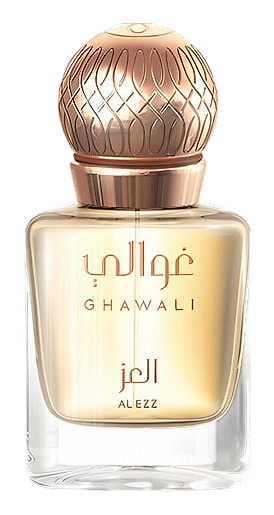
Al Ezz arrived in 2016, a Ghawali release composed by Philippine Courtière. The composition sits on a clear foundation of ylang-ylang, apricot, and vanilla, with cedarwood anchoring the base. The ylang-ylang gives the opening a creamy, almost buttery floral warmth, the kind of yellow-floral density that wraps around the fruit rather than floating above it. Apricot lends a ripe, sun-warmed sweetness, candied at the edges but never syrupy, more like the inside of a just-cut stone fruit held in warm hands. Vanilla arrives early, too, its sweetness weaving through the floral and fruit from the first spray, smoothing out the edges before the cedar has time to assert itself. That cedar, though, is what gives the whole composition its gravity.
What stands out about Al Ezz is how the notes interact on skin. Apricot and vanilla share a natural affinity, both leaning toward soft, lactonic sweetness, and they amplify each other generously in the opening. Without something to hold them in place, the combination could easily slide into something confectionery, thick and suffocating. Cedarwood does exactly that holding work here, its dry, slightly pencil-like facet cutting through the creaminess just enough to keep the sweetness from overwhelming.
The evolution
The opening of Al Ezz belongs unmistakably to apricot. It arrives soft, almost candied, like ripe fruit held just above warm syrup, and it sits front and center for the first stretch of wear. Ylang-ylang threads underneath almost immediately, not as a separate note but as a creamy, almost buttery undertone that dissolves into the fruit and gives it body. The result is something that reads more like a warm compote than a fresh-cut peach, lush and slightly lactonic. Vanilla is present from the start too, its sweetness weaving through both the floral and the fruit, rounding out any sharp edges before they can form. As the hours pass, the apricot slowly loses its candied edge and settles into something more skin-like, more intimate, as though the fruit is being absorbed into the warmth of the wearer rather than sitting on top.
Cultural impact
Al Ezz occupies a particular place within Ghawali's catalogue because of the notes it chooses to foreground. While many compositions from regional houses lean heavily on oud, resins, and smoke, this one sets those materials aside in favor of ylang-ylang, apricot, vanilla, and cedarwood. That choice gives the fragrance a softer, more accessible character without abandoning the warmth and richness that define Gulf perfumery more broadly. The ylang-ylang provides a creamy, almost tropical floral depth that recalls traditional attar blends, while the apricot introduces a fruity sweetness that feels modern and immediately recognizable.
The House
GhawaliGhawali is a Dubai‑based fragrance house that translates the incense traditions of the Arabian Gulf into modern perfume. Launched in 2016 under the Chalhoub Group, the brand offers a curated line of oriental scents that blend aromatic woods, resins and rare oud. Its collections aim to evoke moments of memory and place, inviting wearers to experience a contemporary take on heritage aromas.
The Creator
Philippine CourtièreCourtière favors a crystalline top that sparks curiosity, followed by a heart built on fruit-laden florals and a base of warm woods or amber. She often layers Turkish rose with subtle hints of lychee, then anchors the blend with sandalwood or cedar from sustainable sources.