The Story
Why it exists.
The beginning
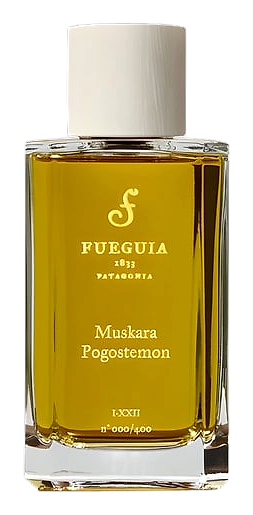
There's a confidence in releasing a fragrance built around a single note. Most houses layer, blend, obscure. Fueguia 1833, with perfumer Julian Bedel, did the opposite with Muskara Pogostemon in 2017. The Muskara collection, as its name suggests, treats each raw material as the protagonist rather than a supporting player. Pogostemon gets its turn, and the composition is stripped of the usual scaffolding that would normally prop up a single material. What remains is the raw botanical itself, sourced and aged with care, allowed to carry the full weight of the formula. The result is a study in restraint, where the focus falls entirely on what patchouli can express when nothing else competes for attention. The fragrance reads like an argument for patience.
Pogostemon cablin, the patchouli plant, is one of perfumery's most written-about materials. Indian patchouli, aged properly, tells a richer story than its reputation suggests. The camphor cools on the skin. The earthiness deepens into something mineral at the edges, an almost chocolate-dark register that develops slowly as the hours pass. Featuring it alone, without the usual citrus opening or sweet base, means the material has to succeed on its own terms. The composition is a kind of test, and patchouli is one of the few raw materials that can survive the scrutiny.
The evolution
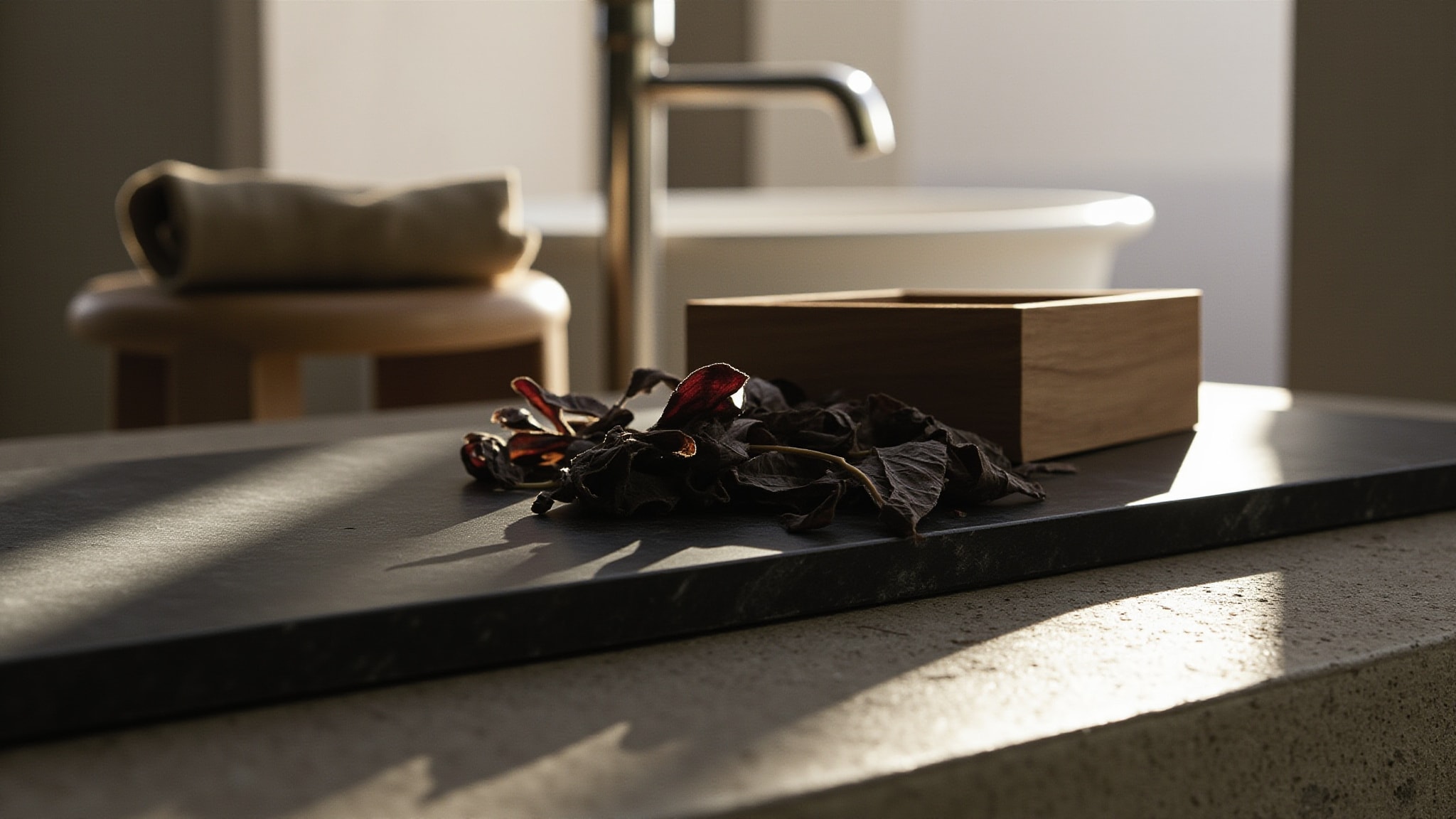
The opening is camphor-forward, cool and almost mentholated, like the air inside a cedar box where dried leaves have been stored. Some wearers catch a green tinge, the ghost of the living plant before it was cut and cured. This phase can read sharper than expected, and it surprises people who assumed patchouli meant heavy from the start. As the composition settles, the camphor steps back and the soil arrives. Not muddy soil, but dry, mineral-rich earth, the kind you'd find in a forest that's been undisturbed for years. The fragrance settles into a warm, woody space that stays remarkably consistent for the next several hours. The drydown, which arrives gradually over the course of the wear, is where the material reveals its depth. What started sharp and cool now feels close to skin, almost like a second layer of warmth rather than a scent sitting on top.
Cultural impact
Muskara Pogostemon sits in territory for wearers who already know what they want and don't need a composition to dress up the experience. It's the fragrance for someone looking for what the material sounds like when nobody is trying to make it palatable. Within Fueguia's Muskara collection, where each release gives a single raw material the spotlight, Pogostemon is one of the more direct entries. It rewards patience and a tolerance for stillness, and it has found an audience among wearers who treat fragrance as something to sit with rather than something to perform.