The Story
Why it exists.
The beginning
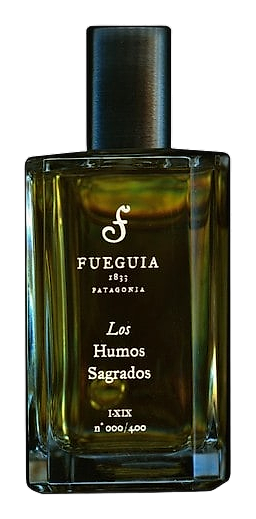
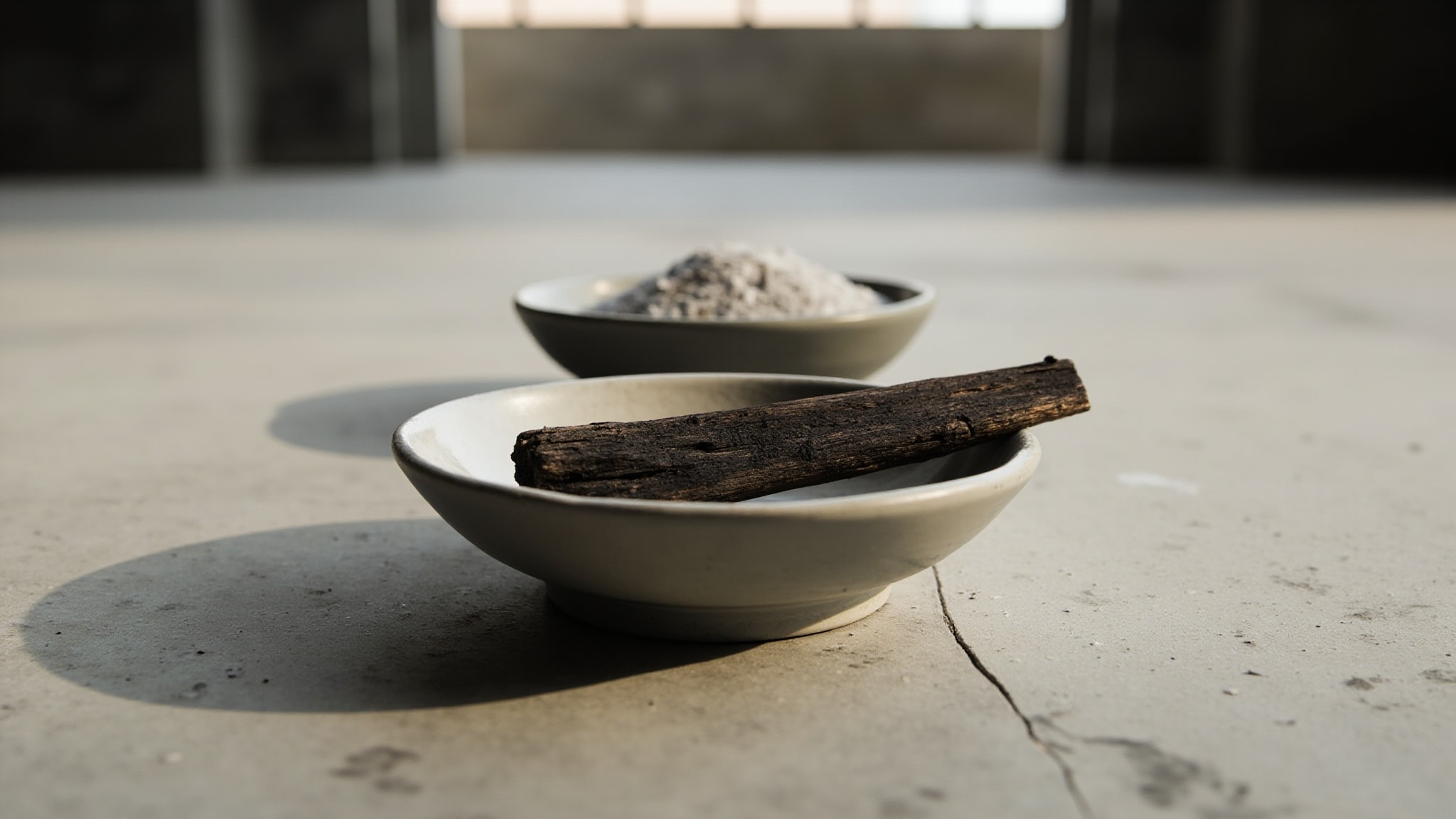
Julian Bedel designed Los Humos Sagrados as an olfactory tribute to a practice older than any single faith. Every ancient culture burned wood to reach something beyond themselves, Palo Santo in South America, sage in indigenous North American ceremony, agarwood in Buddhist and Hindu ritual. The fragrance doesn't imitate those rituals. It attempts to recreate the smoke itself, the medium that was believed to carry prayer upward. Bedel was interested in the chemistry of transcendence: what molecules cross the membrane between the physical and the spiritual? The answer, he found, lives in the resins and char of burned sacred woods.
The composition is built around the moment of combustion rather than the raw materials themselves. Palo Santo unburned smells different than Palo Santo burning, the heat transforms it, releasing compounds that don't exist in the cold wood. Same with sage. Same with oud. Bedel's approach treats the fragrance as a reconstruction of that thermal transformation, which is why the smoke note feels more accurate than meditative. This isn't a perfume that smells like incense. It's a perfume that smells like what happens when you burn the right thing in the right place.
The evolution
The opening hits like walking into a room where someone just extinguished a fire. Palo Santo smoke fills the space, not the sweet copal kind, but the sharp, slightly bitter char of hot wood. Sage cuts through almost immediately, herbal and green against the grey. The transition takes about twenty minutes, and it's where most people decide whether they're in or out. Then the oud deepens. It doesn't soften so much as settle, becoming resinous and animal, the barnyard note some people mention arriving around the two-hour mark and staying until the six-hour mark. On fabric, it lingers another two hours after that, the smell of a space that held something sacred and won't let it go.
Cultural impact
Los Humos Sagrados occupies a specific corner of the niche fragrance world, the smoky-woody space that appeals to people who've already moved past polite frangrance. It's not a crowd-pleaser and doesn't try to be. Among collectors who prioritize authenticity over accessibility, it's considered one of the more honest expressions of burned sacred wood in contemporary perfumery. The fragrance attracts people who understand why humans have always burned things.