
The Story
Why it exists.
The beginning
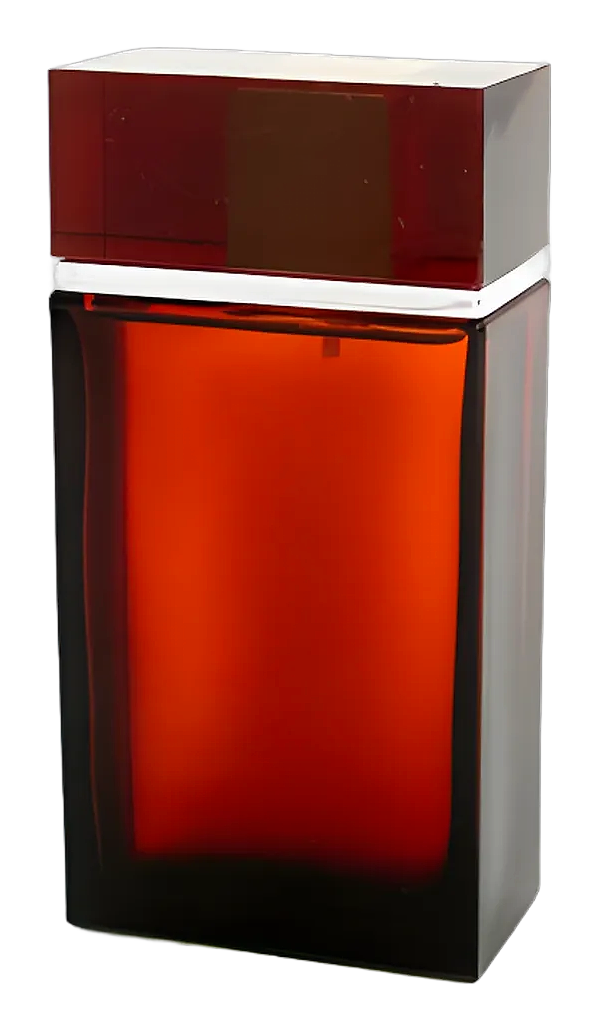
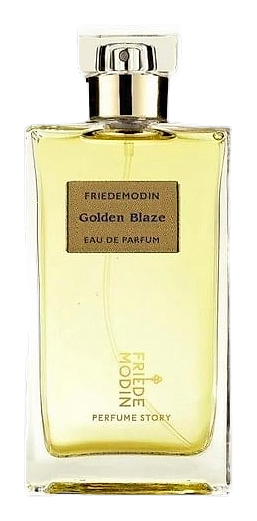
Golden Blaze arrived in 2017 from perfumer Thomas Fontaine. Its structure moves clearly from bright bergamot and saffron into jasmine, leather, and oud, then settles into sandalwood, patchouli, cedar, and amber. The opening feels fresh and sharp, with bergamot supplying a lively citrus note while saffron introduces spice. Jasmine carries the composition toward its richer center, where leather and oud lend a dark, tactile character. In the base, the woods create a warm foundation, with patchouli adding earthiness and amber rounding out the blend. The result is layered and woody, moving between citrus brightness, floral texture, spice, and a slightly animalic finish.
The listed notes create a progression that develops in distinct stages rather than dividing neatly into top, heart, and base character. Bergamot establishes the citrus opening, saffron contributes spice, and jasmine introduces a floral layer before leather and oud deepen the composition. The woods in the base, including sandalwood and cedar, give the later stages a dry, woody structure. Patchouli contributes an earthy quality, while amber adds a rounded sweetness beneath the sharper notes.
The evolution
The fragrance begins with bergamot and saffron, establishing a bright, spicy opening before jasmine introduces a floral layer. Leather and oud then shape the middle portion with darker, more textured character. As development continues, sandalwood, patchouli, cedar, and amber form the listed base. Sandalwood contributes a smooth wood note, while patchouli and cedar add further earthy and woody dimensions. Amber provides a rounded sweetness that connects with the warmer notes in the blend. Across the wear, the composition moves from citrus and spice toward jasmine, leather, oud, and the base woods. Its changing emphasis gives it a layered character, with different notes becoming more distinct as the opening recedes.
Cultural impact
Golden Blaze presents a combination of saffron, jasmine, leather, oud, sandalwood, patchouli, cedar, and amber. Its appeal lies in the way familiar perfume families overlap: citrus and spice at the opening, a floral transition, and a darker, woody base. The composition can be explored through those contrasting note relationships, with each stage revealing a different side of the scent. Its cultural impact is also connected to how wearers respond to the combination, particularly the pairing of leather and oud with lighter elements such as bergamot and jasmine.
The House
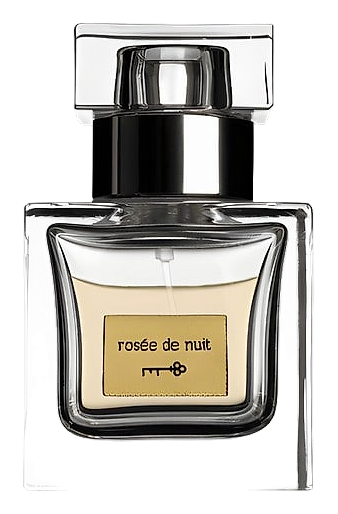
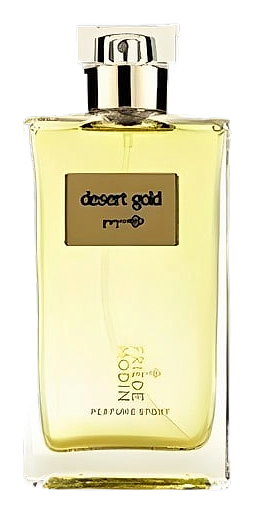
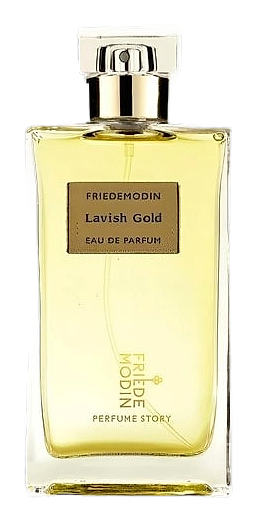
FriedemodinFriedemodin is a niche fragrance house founded by the collaboration of Nina Friede, originally from Worpswede, Germany, and Elisabeth Modin, from Stockholm, Sweden. The brand emerged in the early 2010s and has developed a collection of distinct perfumes that reflect both founders' individual sensibilities and their shared passion for artisanal perfumery. Friedemodin occupies a modest but committed position within the niche fragrance community, offering scents that range from floral compositions like Rosee de Nuit to more complex oriental constructions. The house does not appear to work with named perfumers for its releases, suggesting the founders maintain direct creative control over their formulations. Their output includes collections such as the Gold series introduced in 2017, demonstrating an interest in developing thematic fragrance lines over time.
The Creator
Thomas FontaineFontaine is drawn to natural ingredients and classical perfumery structures, favouring compositions with depth, clarity, and a sense of time embedded within them. He has demonstrated a particular skill with tuberose and rose-jasmine accords, visible across his Jean Patou work,…