The Story
Why it exists.
The beginning
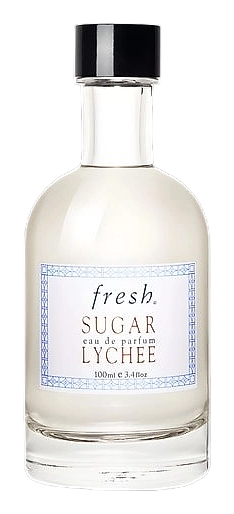
Fresh began in 1991 as a New York skincare label founded by Lev Glazman and Alina Roytberg, built on the idea that what you put on your skin should be recognizable, honest, and work. When Fresh turned to fragrance, that same philosophy followed: botanical ingredients, transparent labeling, and a preference for daylight over drama. Sugar Lychee arrived in 2007 as part of that lineage, a fruity-fresh tropical scent designed to feel like a morning kitchen window, not a performance. The name says it all: sugar and lychee, sweetness with somewhere to go.
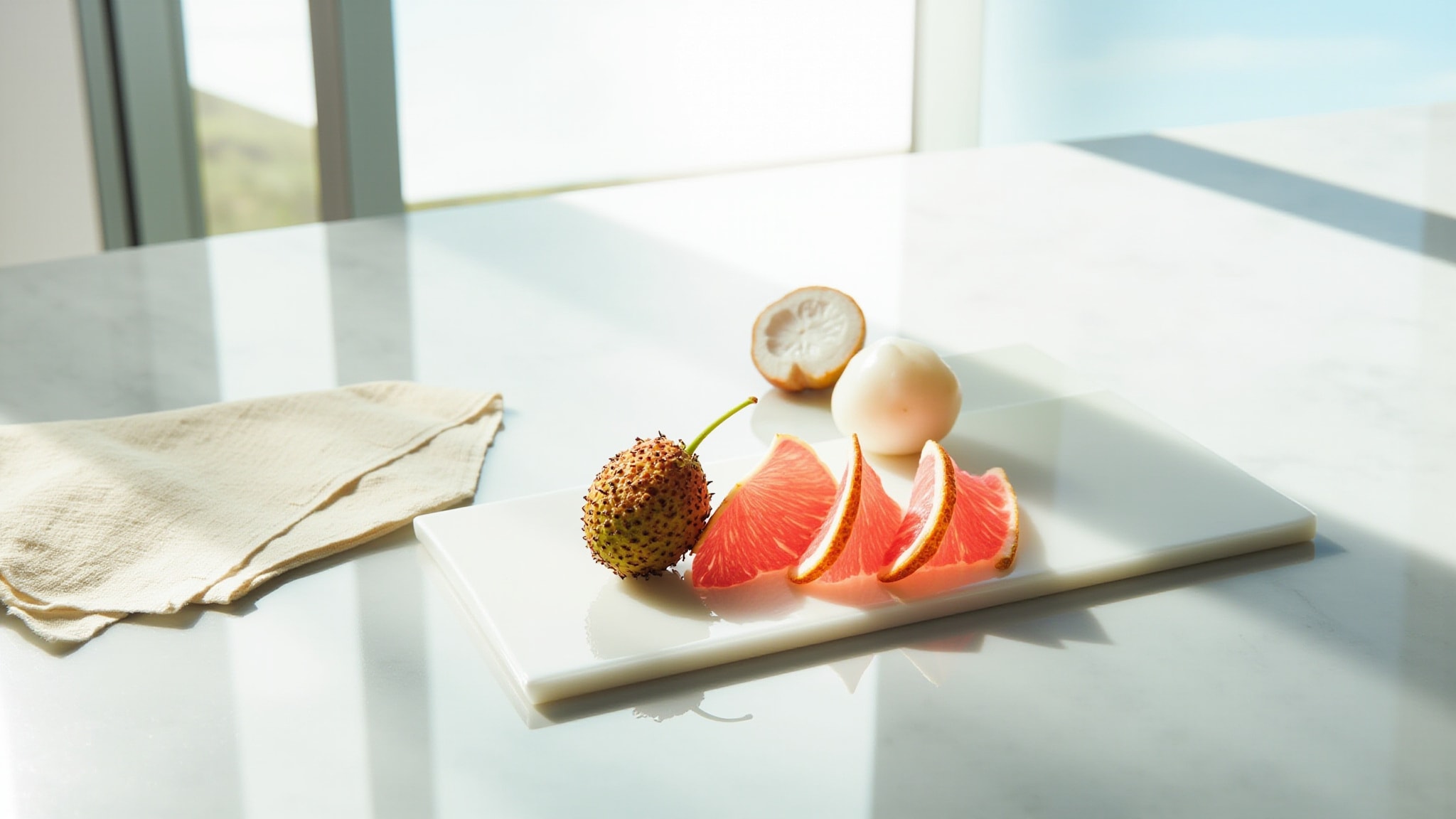
The note structure is straightforward and Fresh makes no secret of it. Grapefruit, lemon, and lime blossom open with the kind of citrus clarity that reads as clean rather than sharp. The heart introduces freesia and lotus with just a suggestion of lychee, sweet-tropical but not overpowering. The base of sandalwood, amber, and tonka bean keeps everything grounded and warm without heaviness. It's a composition built for everyday wear, not a statement moment.
The evolution
The opening hits immediately. Grapefruit, lemon, and lime blossom arrive together, a citrus burst that reads like cold sparkling water poured over a hot morning. The lemon has a slight tartness that keeps it from being sweet. Within twenty minutes, the citrus fades and the heart takes over. Freesia and lotus step forward, and the lychee adds a soft, sweet tropical undertone that rounds the florals without overpowering them. By the second hour, the drydown arrives. Sandalwood, amber, and tonka bean create a warm, close base that stays intimate rather than projecting, fading quietly as the sandalwood and tonka bean linger as a soft, warm whisper rather than a statement.
Cultural impact
Sugar Lychee sits comfortably in the fruity-fresh category with moderate sillage, present without projecting. The composition prioritizes lightness and approachability, making it a respected entry in the genre. Worn best in spring and summer by those who want something clean, approachable, and tropical without heaviness, the fragrance has built a loyal following among enthusiasts of clean, botanical scents.