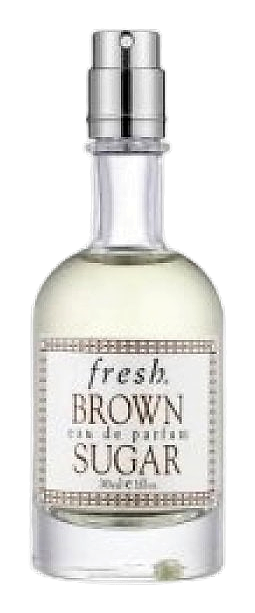
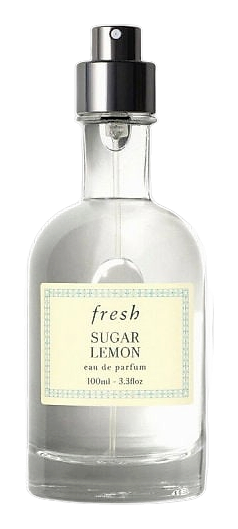
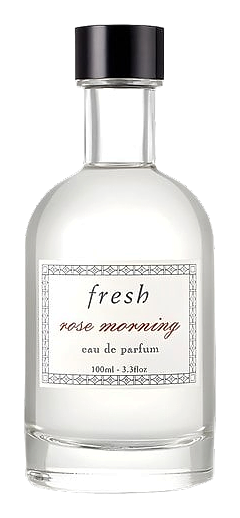
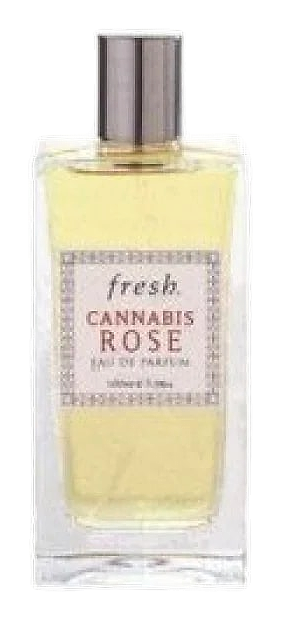
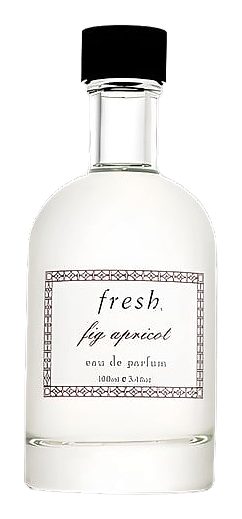
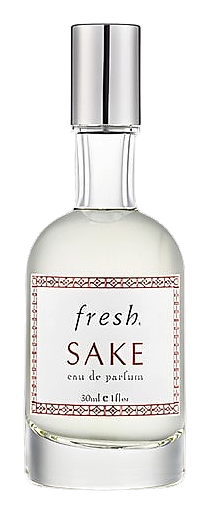
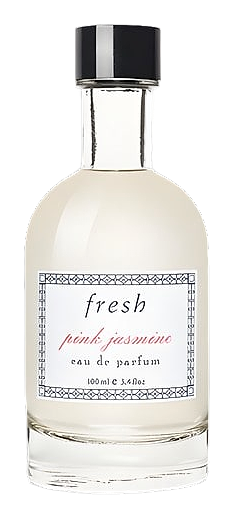
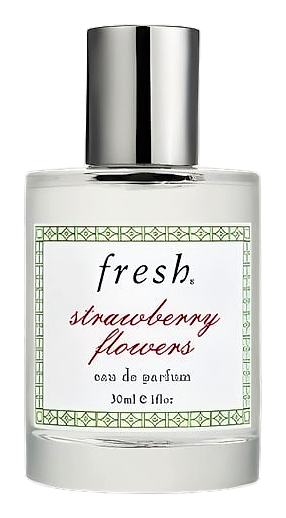
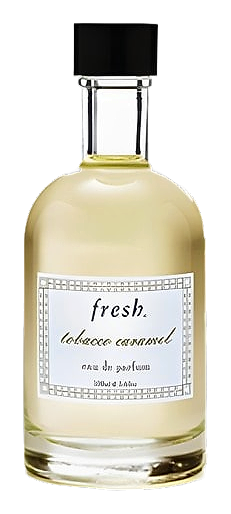
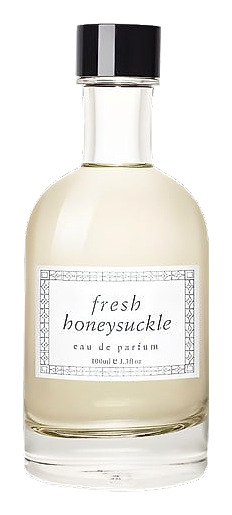
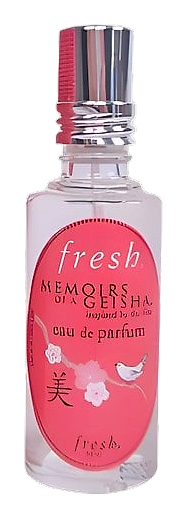
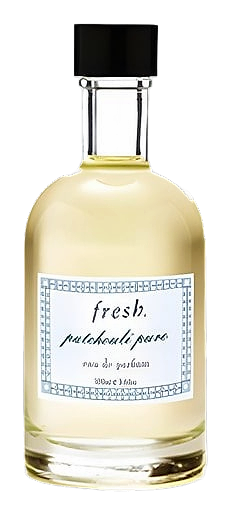

The Heritage
The Story of Fresh
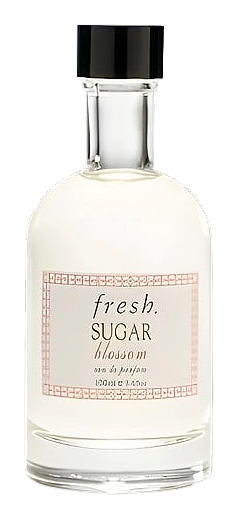
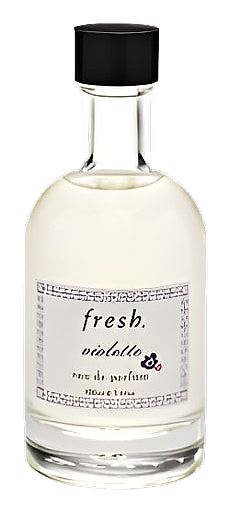
Fresh began as a skincare label in New York in 1991, founded by Lev Glazman and Alina Roytberg. The brand built a reputation for botanical formulas and later extended that sensibility to fragrance. Since the early 2000s Fresh has released a line of perfumes that echo the same clean, nature‑focused ethos. Each scent is framed as a moment of daylight, a garden walk, or a quiet kitchen, and the collection includes Violette (2007), Patchouli Pure (2008), Sugar Blossom (2004) and Rose Morning (2018). The brand positions its fragrances as everyday luxuries that stay clear of heavy synthetics, aiming for transparency in ingredients and a minimalist visual language that matches its skincare roots.
Heritage
Lev Glazman and Alina Roytberg opened the first Fresh boutique on Manhattan’s Upper East Side in 1991. Their goal was to create skin care that used fresh, natural ingredients without compromising performance. The concept resonated, and Fresh expanded across the United States within five years. In 2004 the company launched its inaugural perfume, Sugar Blossom, a sweet yet airy composition that introduced a new chapter for the brand. The fragrance line grew quickly; Violette arrived in 2007, followed by Patchouli Pure and Fig Apricot in 2008, and Honeysuckle in 2014. By 2018 Fresh introduced Rose Morning, a bright floral that highlighted the brand’s continued interest in sunrise‑inspired scents. Throughout its history Fresh has kept a low‑profile marketing approach, relying on word of mouth and editorial coverage rather than high‑budget campaigns. The brand’s headquarters remain in New York, and its products are still formulated in the United States, though many raw materials are sourced from farms in France, Italy and the United States. Fresh’s expansion into fragrance reflects a broader trend among skincare houses that seek to translate their ingredient philosophy into scent, offering consumers a cohesive sensory experience from skin to air.
Craftsmanship
Fresh develops its perfumes in partnership with independent perfumers who work out of fragrance houses in Grasse and Paris. The process begins with a brief that highlights a botanical theme, such as a Mediterranean fig orchard or a sunrise over a citrus grove. Raw materials are sourced from farms that provide traceability reports; for example, the fig extract used in Fig Apricot comes from a cooperative in southern Italy that practices sustainable harvesting. Natural absolutes, essential oils and high‑grade aroma chemicals are blended in small batches to maintain consistency. Quality control includes gas‑chromatography analysis to verify the purity of each ingredient and sensory panels that evaluate the evolution of the scent over a 24‑hour period. Bottles are filled in a temperature‑controlled environment to prevent premature evaporation of volatile top notes. Fresh also invests in recyclable packaging; the glass bottles are made from 30 % post‑consumer recycled material, and the caps are aluminum with a low‑impact finish. Each perfume undergoes a stability test that simulates exposure to light, heat and humidity, ensuring the fragrance retains its character for at least three years on the shelf.
Design Language
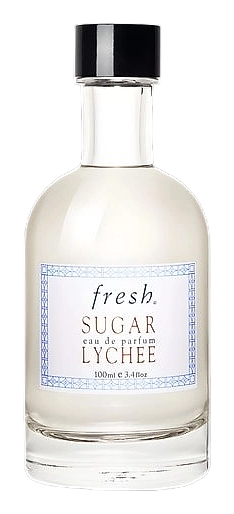
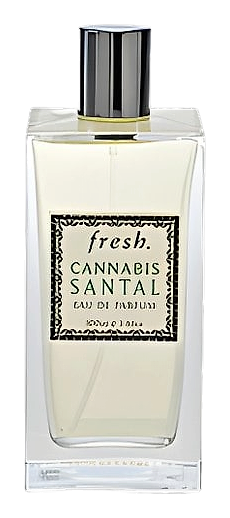
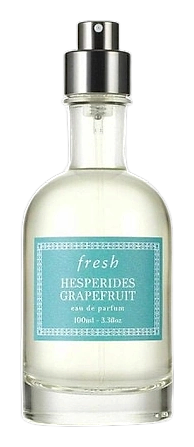
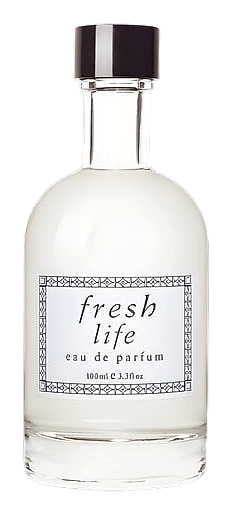
The visual language of Fresh fragrance mirrors the brand’s skincare packaging: clean lines, soft pastel hues and understated typography. Bottles often feature a slender, cylindrical shape with a matte finish that feels cool to the touch, evoking the sensation of a fresh breeze. The label typography uses a simple sans‑serif font, and the ingredient list appears in a discreet band at the base, reinforcing the brand’s transparency promise. Caps are typically brushed aluminum or brushed gold, providing a subtle contrast without overwhelming the overall minimalism. Marketing imagery favors natural light, close‑up shots of the botanical ingredients, and lifestyle scenes that show the perfume as part of a relaxed morning routine. The color palette shifts with each release—Violette uses a muted violet tint, while Hesperides Grapefruit adopts a bright citrus orange—yet the underlying design language stays consistent, reinforcing brand recognition across the product range.
Philosophy
Fresh treats fragrance as an extension of its skincare philosophy: ingredients must be recognizable, responsibly harvested and clearly communicated. The brand emphasizes botanical extracts, such as real honey, fig puree and citrus peels, and it avoids over‑synthetic accords that could mask the natural character of a perfume. Sustainability guides sourcing decisions; Fresh works with certified organic farms and supports beekeepers who practice low‑impact honey production. Transparency appears on each bottle label, where the top notes, heart notes and base notes are listed alongside any natural origin claims. The creative team collaborates with perfumers who share a respect for simplicity, preferring compositions that evolve gently rather than explode with intensity. Fresh also seeks to make its scents inclusive, offering vegan‑friendly options and avoiding animal‑derived musks. This philosophy aligns with the brand’s broader commitment to clean beauty, where the line between skin care and fragrance blurs into a single, holistic routine.
Key Milestones
1991
Lev Glazman and Alina Roytberg launch Fresh skincare in New York
2004
Fresh releases its first fragrance, Sugar Blossom
2007
Violette joins the Fresh perfume portfolio
2008
Patchouli Pure and Fig Apricot debut, expanding the botanical range
2014
Honeysuckle launches, highlighting the brand’s focus on native pollinator support
2018
Rose Morning arrives, marking the tenth anniversary of Fresh’s fragrance line
At a Glance
Brand profile snapshot
Origin
United States
Founded
1991
Heritage
35
Years active
Collection
1
Fragrances released
Avg Rating
4.3
Community sentiment
Release Rhythm


