The Story
Why it exists.
The beginning
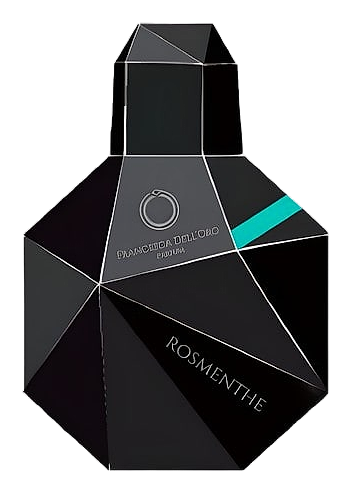
Rosmenthe is a name that tells you exactly what it is: rose and menthe, the French word for mint. The name itself is a creative compression, two ingredients doing the work of a paragraph. Bertrand Duchaufour built the structure around that tension: a flower that doesn't want to be soft, held by woods that don't want to let go. The rose arrives with a quiet insistence, never quite surrendering to sweetness, while the mint cuts through with a sharp, almost medicinal clarity that keeps the composition awake. Cedar anchors the blend, providing a dry, slightly bitter counterweight that prevents the florals from floating into abstraction. The interplay creates a fragrance that feels both delicate and determined, where each note resists any urge toward softness.
What makes Rosmenthe unusual is the aldehyde inflection. Aldehydes typically signal vintage Chanel, waxy, soapy, elegant in a very specific 1950s way. Here, Duchaufour uses them to lift the mint, to make the opening feel effervescent rather than sharp. The rose doesn't arrive immediately. It waits. By the time it does, the mint has already opened a door, and the cedar and juniper are standing there to greet it. It's a slow reveal rather than a curtain call.
The evolution
The opening hits like cold water, mint and aldehydes collide and the result is immediate, clean, almost clinical in its precision. Cedar sits just underneath, grounding the brightness before it floats away. Within twenty minutes the florals begin to surface: first the freesia, airy and translucent, then the rose, which arrives quietly and stays. The peony adds a rounded fullness that keeps the composition from feeling skeletal. By the drydown the Cedrus and rose emerge with a translucent, almost ethereal quality, each refusing to soften while held by woods that don't want to let go. The mint retreats, leaving a warm musk-cedar trail that lingers close to the skin.
Cultural impact
Rosmenthe arrived in 2017, a mint-rose-cedar combination that stood apart from more conventional floral releases. Its aldehyde presence gave it a quality closer to vintage compositions than to the clean-fresh aesthetic that defined many contemporary releases. Bertrand Duchaufour's structural approach brought an architectural quality to the blend, one that held its shape through wear without softening into generic florality. The mint-rose-cedar combination created a distinct aromatic profile that diverged from typical releases of that era.