
The Story
Why it exists.
The beginning
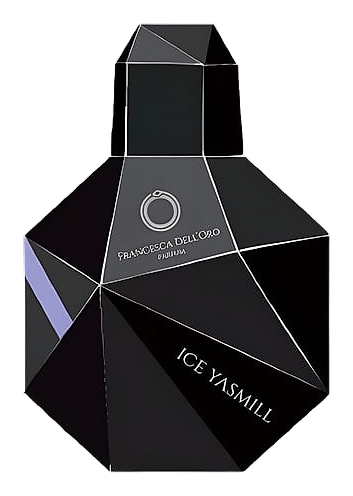
Ice Yasmill was conceived as a study in contrast, the coolness of sea air against the warmth of skin in summer. Bertrand Duchaufour built the opening around laurel, bergamot, and sea air to establish that initial chill, then planted two jasmine varieties at the heart to create heat. The carnation was the wildcard: spiky, almost peppery, designed to keep the floral from becoming soft. What emerged in 2017 was a fragrance that refused to be one thing, cool at the top, warm at the heart, animalic in the base, and lasting long after the sea breeze had gone.
The two jasmine varieties, Sambac and Egyptian, give the heart a dual character. Sambac brings a rounder, more heady jasmine quality; Egyptian jasmine adds a cleaner, more indolic depth. Together they create a jasmine that reads warm without being sweet. The carnation is the unexpected element: it adds a spicy, almost clove-like edge that makes the floral feel less polite and more characterful. In the base, Duchaufour uses cumin and castoreum not to shock, but to anchor the jasmine in something earthier, closer to skin. The tolu balsam and vanilla then round the whole composition into a sweet creaminess that extends wear for hours.
The evolution
The opening hits with cool sea air, a squeeze of bergamot, and the green bite of bay leaf, like standing at the edge of the Mediterranean. Thirty minutes in, the marine notes recede and the jasmine arrives: warm, heady, with carnation adding a peppery edge that keeps the floral from going soft. The heart lasts for hours. Then the base settles in. Vanilla and tolu balsam bring creaminess; patchouli adds earth; and the animalic notes, castoreum, cumin, surface as the fragrance dries down close to the skin. The jasmine doesn't disappear. It deepens. What's left at the end is warm, sweet, and intimate.
Cultural impact
Ice Yasmill arrived in 2017 as part of Francesca dell'Oro's broader exploration of Mediterranean identity in perfumery. The house, founded in 2011, positioned this release as a dialogue between coastal freshness and inland warmth, bay laurel, sea salt, and bergamot against jasmine Sambac, carnation, and animalic castoreum. This tension between cool marine and warm oriental elements reflected a wider trend in niche perfumery toward complex, non-binary fragrance experiences. The use of castoreum and cumin as structural elements, rather than mere accent notes, distinguished Ice Yasmill from more conventional jasmine fragrances and contributed to its polarizing reception among fragrance enthusiasts.