The Story
Why it exists.
The beginning
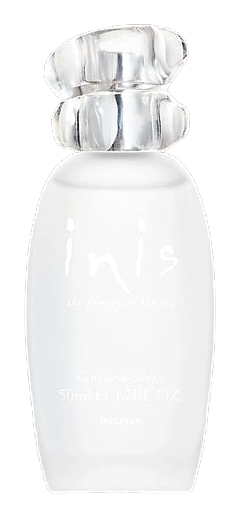
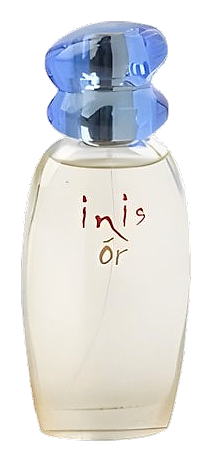
Inis Ór arrived in 2008, composed by Sophie Labbé for Fragrances of Ireland. Where the brand's 1998 breakthrough, Inis the Energy of the Sea, captured a sun-lit day by the sea, clean, light, and fresh, this follow-up looked inland. The herbs and wildflowers that grow in Ireland's varied landscapes, the particular character of places shaped by the Atlantic, all informed the direction of this new composition.
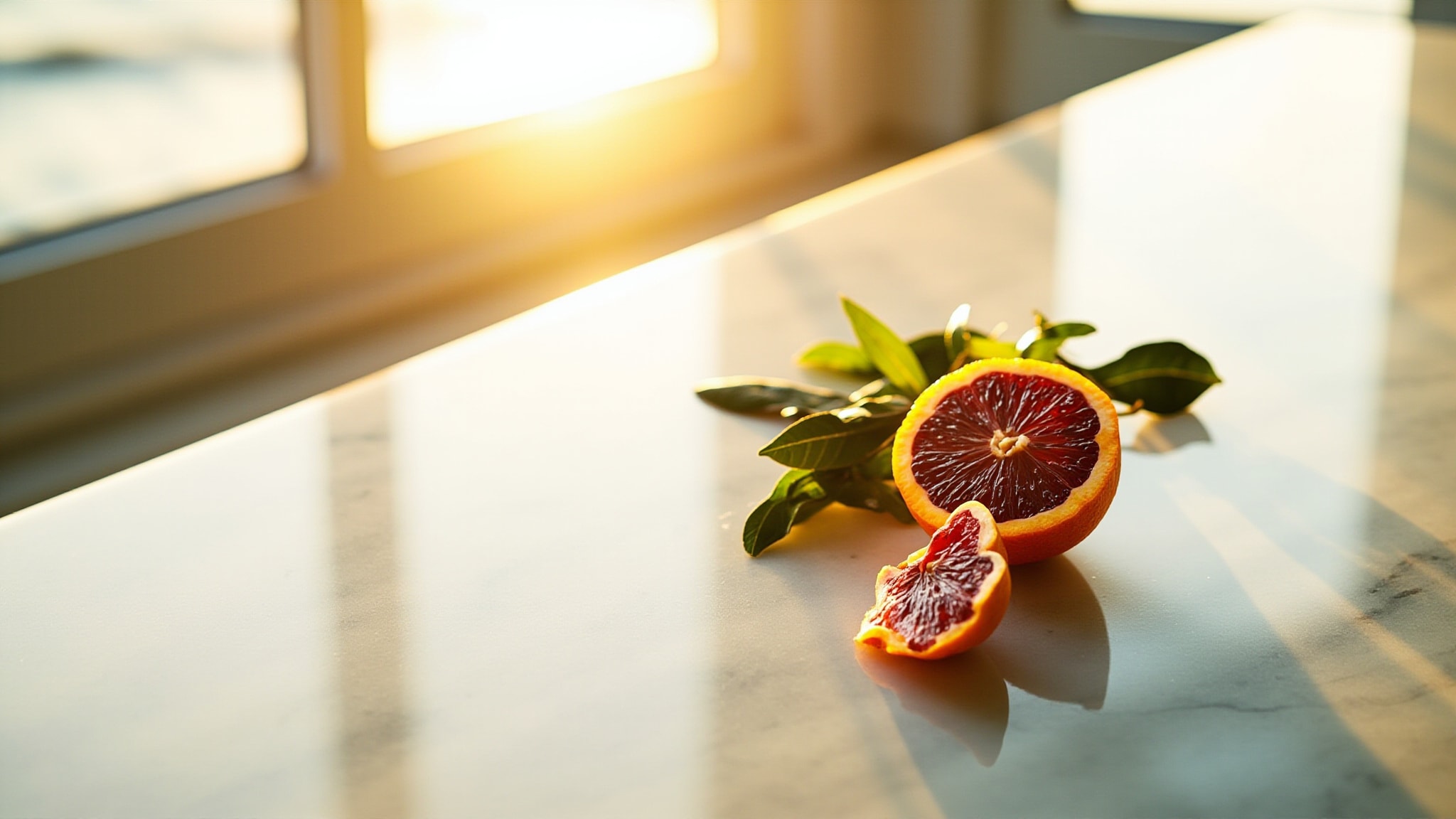
Labbé built the opening from four citrus materials, bergamot, blood orange, Sicilian lemon, mandarin orange, for maximum brightness. Then she reached for fig, a material that can read as green, almost aquatic, or sweet depending on what surrounds it. Here it anchors the heart alongside laurels, a camphorated herb that brings herbal freshness and keeps the composition grounded in something real. The citrus does not read as Mediterranean here. It reads as maritime, the tang in coastal air, not the warmth of Italian groves.
The evolution
The opening is immediate and assertive. Bergamot, blood orange, Sicilian lemon, and mandarin orange arrive together, creating a tart, sparkling brightness with real kick. No softening, no preamble. The heart begins to emerge as the citrus settles. Fig brings a green, slightly aquatic quality that cuts through the citrus rather than sweetening it. Mimosa adds powdery, sunlit warmth. Laurel, the surprise element, introduces a camphorated, herbal freshness that keeps the composition grounded in something that actually smells like a plant, not a concept of one. The base develops as the heart fades. Cedarwood and patchouli bring warmth and woodiness. Frankincense adds resinous depth. Pink pepper introduces quiet spice. Musk keeps the whole thing soft and skin-close rather than heavy. The drydown is warm, woody, and intimate.
Cultural impact
Inis Ór appeals to wearers who prefer woody aromatics and yellow florals to marine aquatics and citrus waters. It offers a different side of the Irish landscape than Inis the Energy of the Sea, less coastal spray, more inland hedgerow. For those drawn to herbal, grounded compositions, it represents an alternative vision of Irish fragrance, one that finds its character in the quiet depth of the interior rather than the open expanse of the coast.