The Story
Why it exists.
The beginning
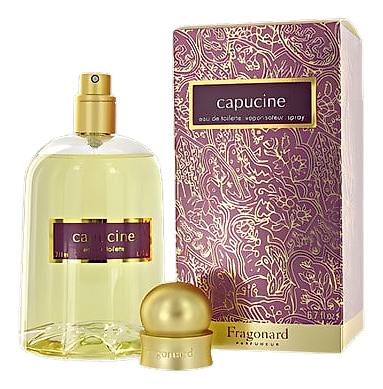
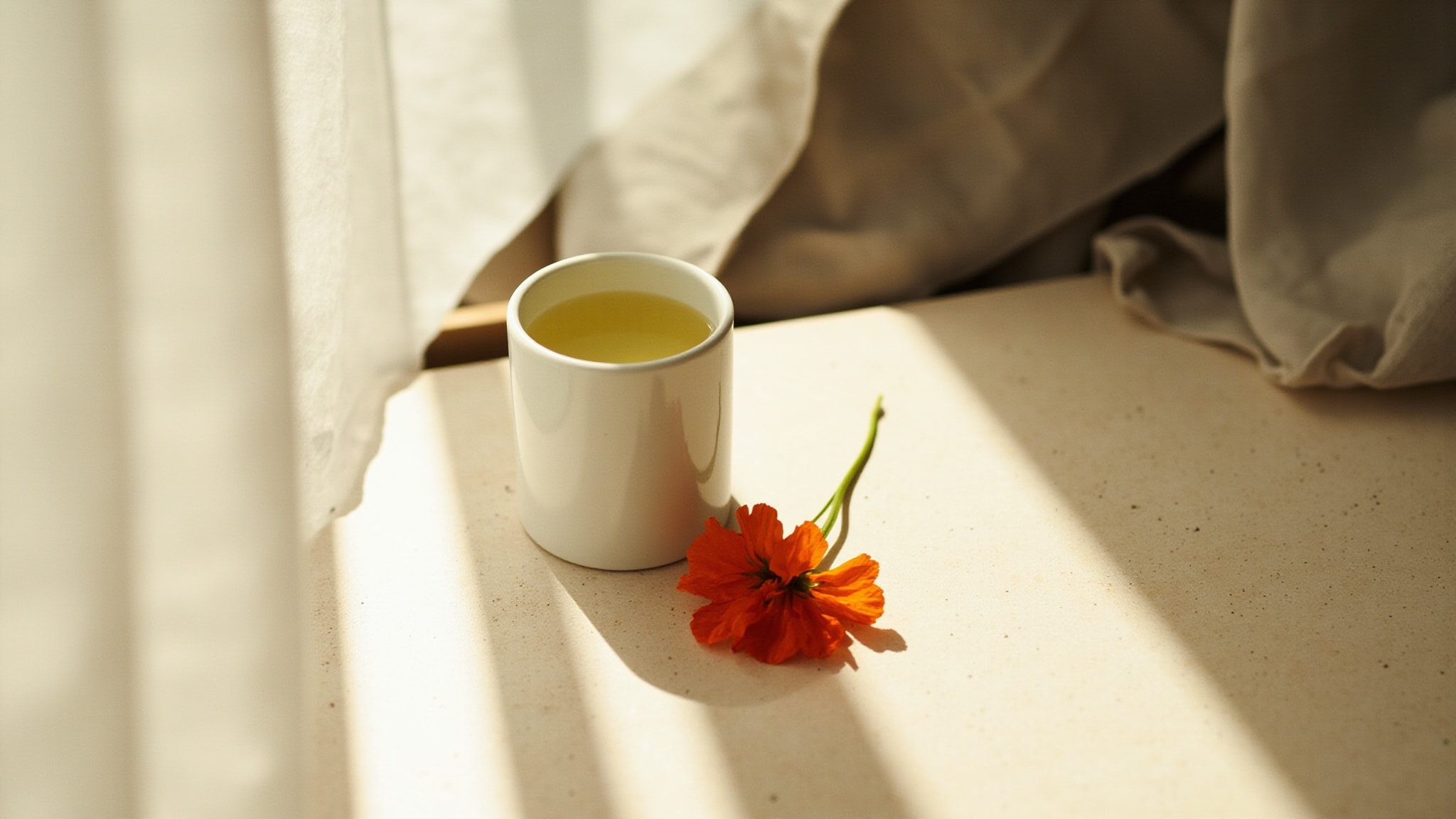
Capucine takes its name from the nasturtium flower, the bright, peppery bloom that's as much at home in a Grasse garden as on a Parisian plate. Released in 2005, this was Fragonard's move into the green tea space, a note that had been gaining traction in French perfumery but rarely with the house's traditional restraint. The idea was simple: take the freshness of green tea, ground it in Grasse rose and jasmine, and let a soft musk-wood base do the quiet work of making it last.
What makes Capucine interesting is its restraint. Green tea as a top note can read sharp and almost medicinal in other hands, think the first impression of certain Japanese-inspired fragrances. Here, the bergamot opens with citrus brightness but never lets the tea become austere. The florals that follow are traditional, even classical, but they're not heavy. The woody-musky base doesn't project aggressively. Instead, it holds the composition close to the skin, where it can do its work slowly. It's a fragrance that trusts the wearer to find it rather than demanding attention.
The evolution
The opening arrives cool, bergamot first, then the green tea settling in like steam rising from a cup left too long. There's an initial brightness that fades within twenty minutes, replaced by the florals: rose and jasmine in equal measure, neither dominates. Together they create something creamier than expected, almost powdery in its softness. The base arrives quietly around the hour mark, musk that feels skin-warm, woody notes that don't announce themselves. What lingers at the end isn't a single note but an impression: soft, clean, present without being pushy. On fabric, it stays close. On skin, it moves with you. By the evening, it's a memory that feels like it belongs to you alone.
Cultural impact
Capucine occupies an interesting space: discontinued but still sought after by those who remember it or discover it through vintage finds. It's the kind of fragrance that gets described as "effortless" and "not trying too hard", which, in perfumery, is harder to achieve than complexity. Wearers tend to be people who appreciate classic French florals but want something lessassertive than the category's louder examples.