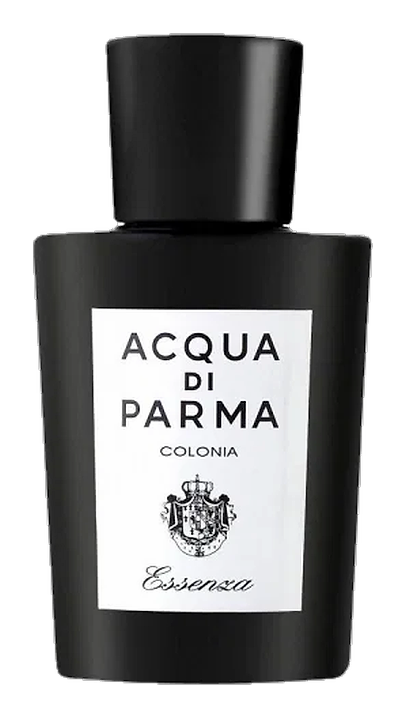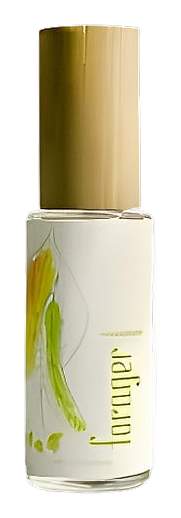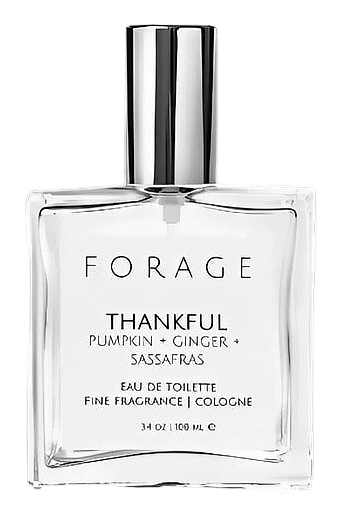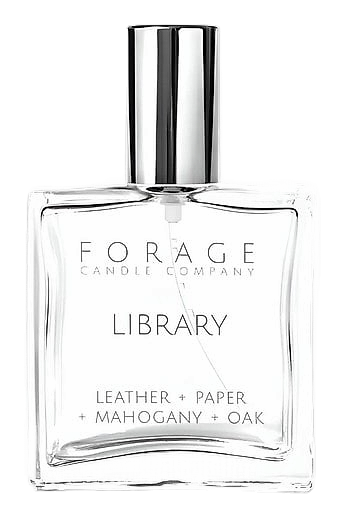

The Story
Why it exists.
The beginning
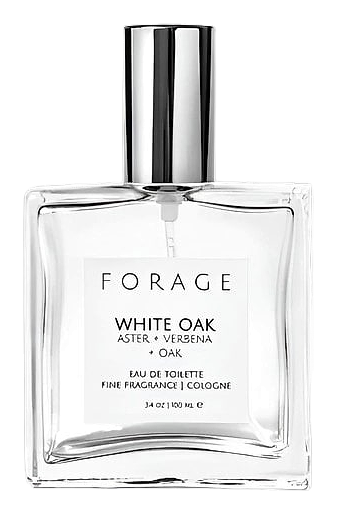
White Oak arrived in 2016 as an Eau de Parfum from Forage. No verified perfumer or official account of the creative brief is available, so the listed notes offer the clearest window into the fragrance. Bergamot and lemon verbena establish a bright aromatic opening, followed by heliotrope, broad floral notes, and erigeron in a soft, powdery center. Sandalwood, oak, and amber shape the base, adding tactile woodiness and warmth. Together, the notes form a composition built around contrast: citrus brightness against diffused florals, pale structure against softened atmosphere, and gentle amber warmth beneath both.
The interesting part sits in the contrast rather than any single showy note. Bergamot and lemon verbena bring a clipped aromatic snap, while heliotrope, floral notes, and erigeron make the center feel hazy and almost powder-soft. Sandalwood, amber, and oak then draw that haze toward a tactile, calm base. Calling Floral Notes a specific bloom would go beyond the record, but the broad floral designation suits the composition's gentle, rounded middle. As the scent develops, the ingredients remain legible without separating into isolated statements.
The evolution
At first, bergamot and lemon verbena put a fresh, greenish shine on the air. That brightness quickly gives way to a softer floral phase, where heliotrope and erigeron create a diffuse, powdery texture. The middle feels less like a bouquet and more like sunlight caught in linen. Sandalwood and oak then begin to take shape beneath it, giving the airy florals enough weight to feel composed. Amber remains a lasting accent, adding a warm, skin-like glow without making the result overtly sweet. Over time, the opening, heart, and base overlap in changing proportions. Citrus can remain perceptible at first, while the floral center gradually becomes more prominent. The woody materials lend continuity beneath those shifting layers, and amber carries a quiet warmth through the later stages.
Cultural impact
White Oak can be understood through the relationship between its listed notes rather than through broader claims about its audience or cultural positioning. Bergamot and lemon verbena create an aromatic opening, followed by the hazy floral character of heliotrope, Floral Notes, and erigeron. Sandalwood and oak give the composition a pale, tactile base, while amber adds warmth to the final impression. The 2016 release connects these materials within a clear progression from brightness to softness and warmth.