
The Story
Why it exists.
The beginning
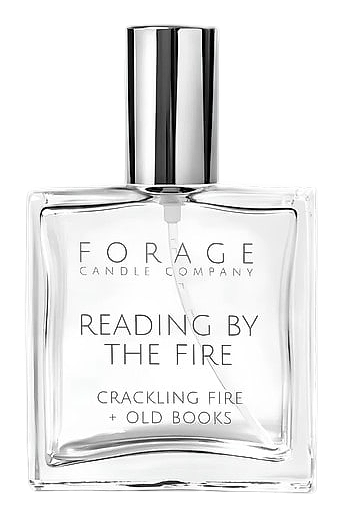
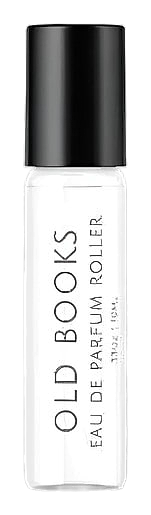
Old Books takes its name from the familiar physical presence of well-read pages, softened bindings and a library with some history in it. The listed composition reinforces that idea without relying on overtly bookish effects. Woody notes create a grounded frame, while leather adds a tactile impression of age. Cedarwood and papyrus bring dry grain and structure through their respective wood and papery associations. Amyris contributes warmth beneath them, and sandalwood, patchouli and musk add smooth wood, earthy depth and a soft finish. Together, these notes form a woody, leathery and gently aromatic composition with contrasting textures: dry and structured, warm and grounded, smooth and softly finished.
A notable quality in the listed notes is the contrast between surfaces. Papyrus brings a light, papery quality beside leather's deeper, more tactile character. Cedarwood extends the dry woody structure, while amyris adds warmer woody fullness. Sandalwood contributes another smooth wood note, placing rounded texture around the sharper grain of cedar and papyrus. Patchouli then introduces an earthy, slightly resinous dimension, keeping the composition from reading as uniformly polished. Musk softens this edge without removing the darker notes.
The evolution
The listed notes move between contrasting aromatic materials. Woody notes provide the broad frame, with cedarwood contributing dry grain and sandalwood adding a smoother wood character. Leather introduces depth and a tactile impression, while papyrus offers a lighter counterpoint through its association with paper. Amyris brings warmth, and patchouli adds an earthy, slightly resinous quality. Musk softens the combination of woods, leather, papyrus and patchouli. Rather than describing a verified sequence or wear time, the composition can be explored through these contrasts: dry beside smooth, light beside deep, and warm wood beside earth and musk.
Cultural impact
Old Books connects its title to the lasting cultural image of books as physical objects. Its listed notes reinforce that association through wood, leather, papyrus, amyris, sandalwood, patchouli and musk. The composition can be explored as an exchange of textures: cedarwood's dry grain, papyrus's paper-like lightness, leather's depth, amyris's warmth and patchouli's earthy character, all softened by sandalwood and musk.