The Story
Why it exists.
The beginning
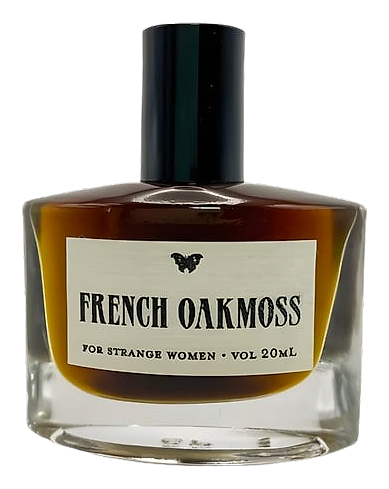
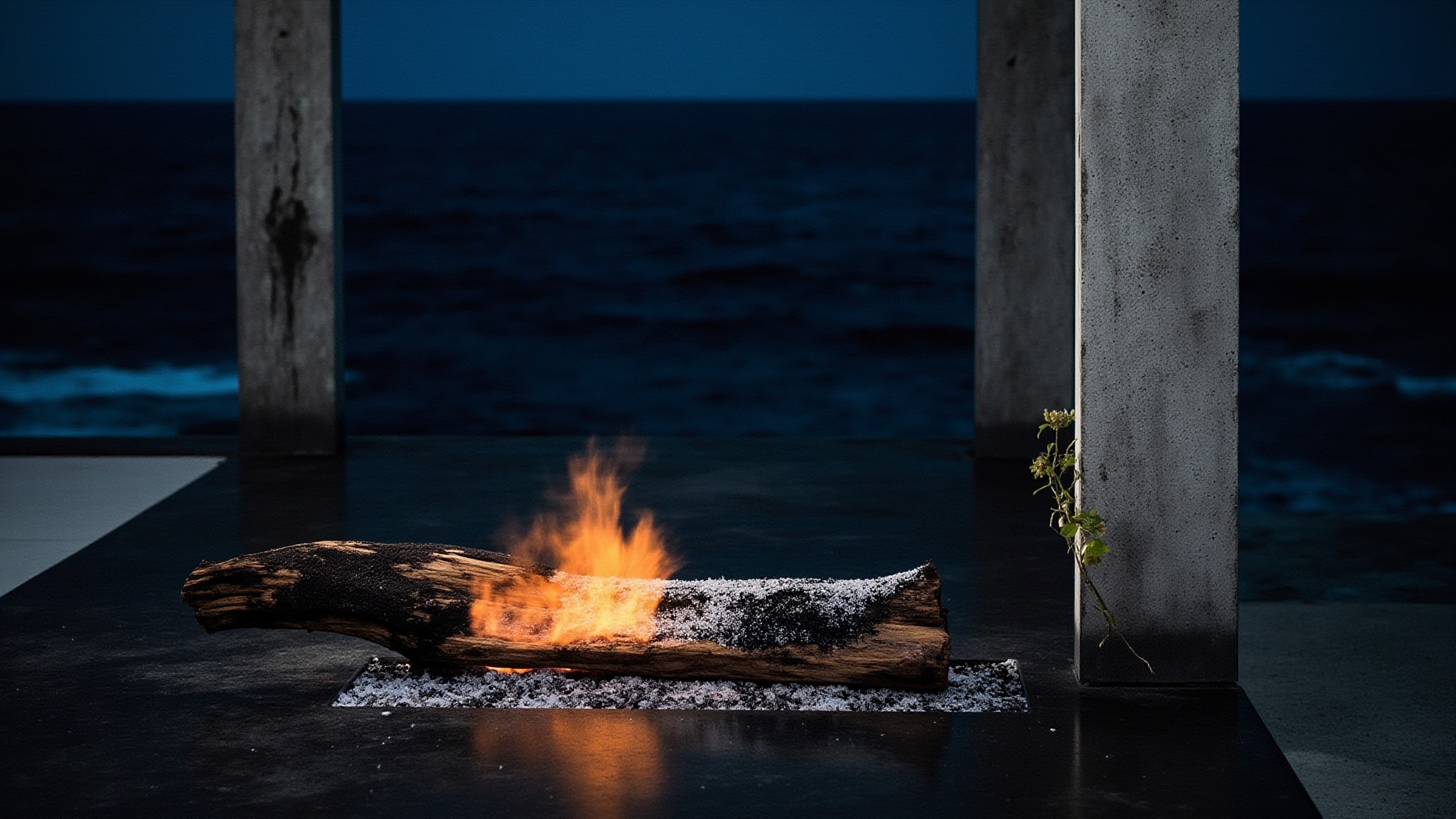
Siren comes from a coastline, and not the postcard kind. The opening is built around Pacific Ocean air and jasmine vines filled with tiny white blossoms, that saline freshness washing in like a wave pulled up through rocks and salt-spray. Campfire is in the mix from the first spritz, a signal that this beach has people on it, people who built a fire and stayed. For Strange Women, a botanical perfume house described as indie and artisan, based in Kansas City, Missouri, composes entirely from botanical and natural aromatics. The brand makes every perfume oil in-house, and Siren reads like one of their field notes, half-impression, half-invocation.
What makes Siren interesting is the friction between materials that don't naturally sit together. Salty marine notes and ambergris push toward oceanic, cool and mineral, while campfire and smoke pull hard in the opposite direction, warm and carbonized and human. Jasmine, the floral in the composition, acts as a bridge between wet and burnt, its indolic sweetness softening the salt while the smoke gives the blossom a smoked-honey depth it wouldn't have on its own.
The evolution
The first few minutes hit with a sharp blast of salt and smoke, campfire notes layered over something briny and unmistakably oceanic. Ambergris gives it an animalic edge right away, the kind of oceanic warmth that reads more whale-strand than sea-breeze. Jasmine appears within the first ten minutes, delicate but persistent, threading through the salt like a vine through chain-link. By the thirty-minute mark, the composition has settled into its middle phase: seaweed and driftwood come forward, and the smoke softens from campfire to something more like distant bonfire on a beach at dusk, the charcoal losing its bite and turning atmospheric. The drydown is where Siren becomes its most wearable. Driftwood anchors the base, with ambergris lingering underneath, giving it a warm, skin-like quality that stays close to the body and refuses to shout.
Cultural impact
Siren sits in For Strange Women's catalog as one of their most elemental compositions, a scent that leans into landscape rather than mood or nostalgia. Wearers gravitate toward it for its unpolished honesty, the way the campfire and salt refuse to behave like a conventional aquatic, refusing to sand down their rough edges for easy wear. It shares DNA with the brand's other nature-rooted works like Fireside Story and November, but pushes further into oceanic territory, trading hearth and autumn leaf for tide pool and char.